FAQ – Frequently Asked Questions
1. Is full technical documentation required to create a 3D animation?
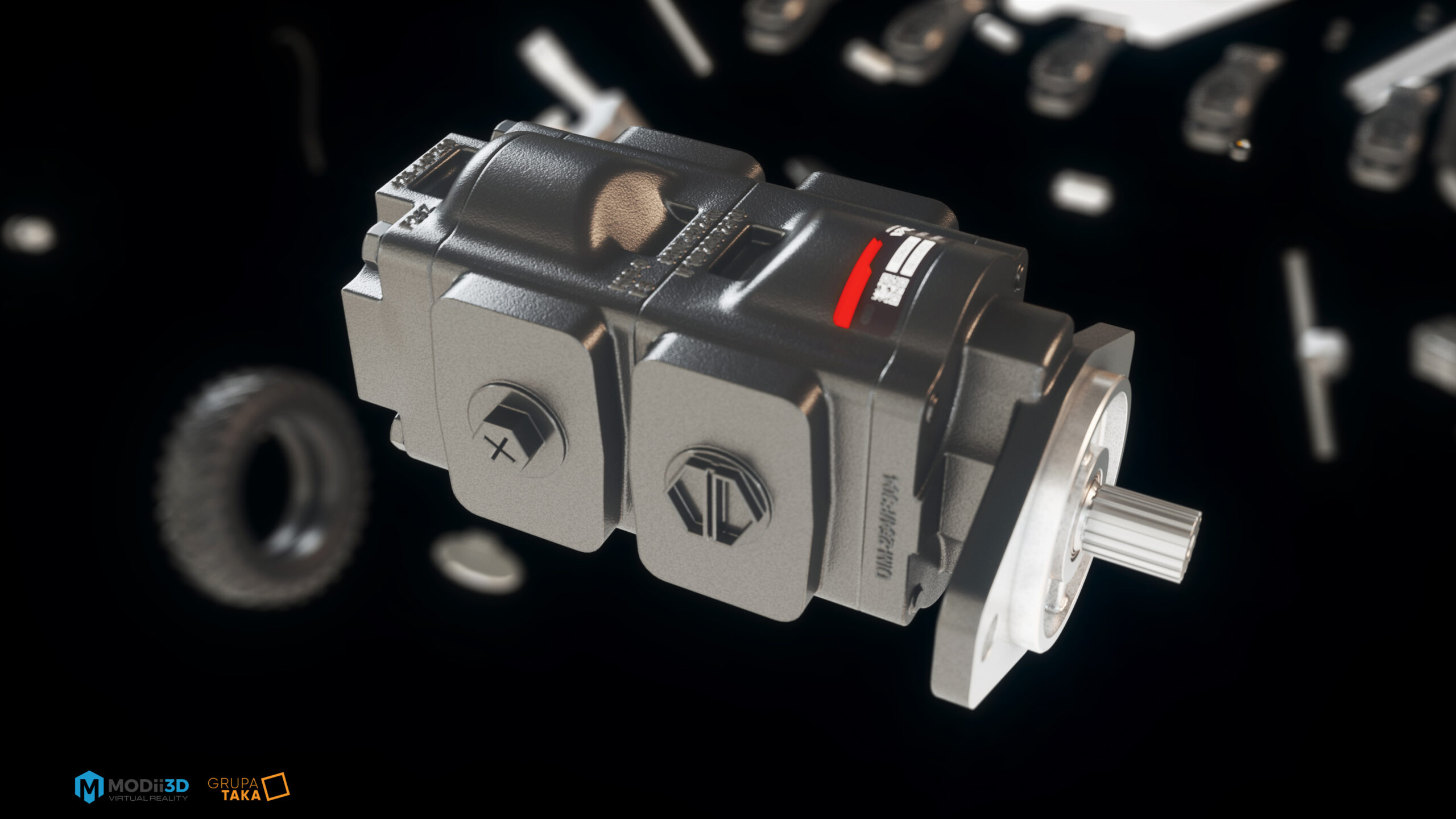
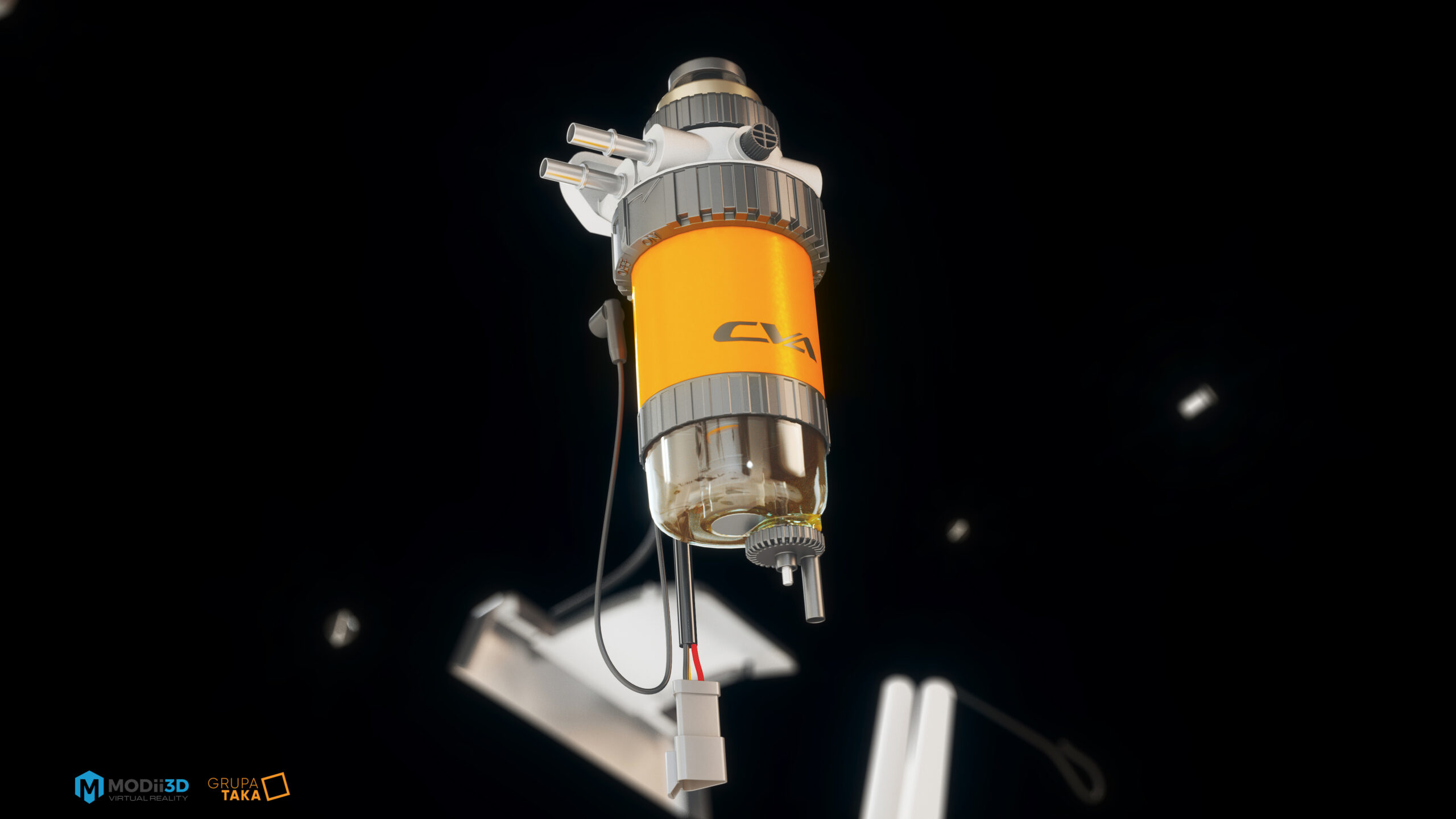
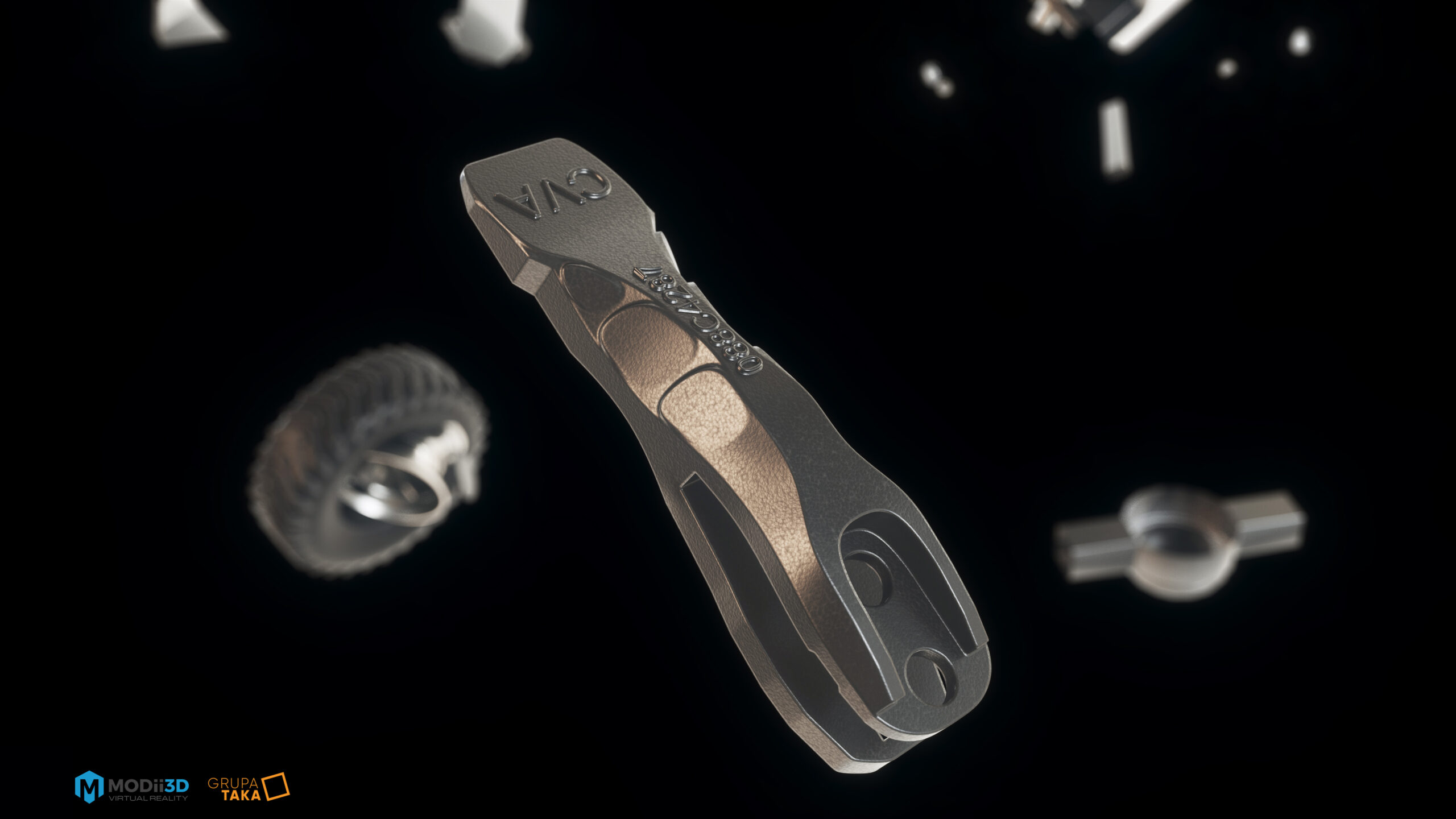
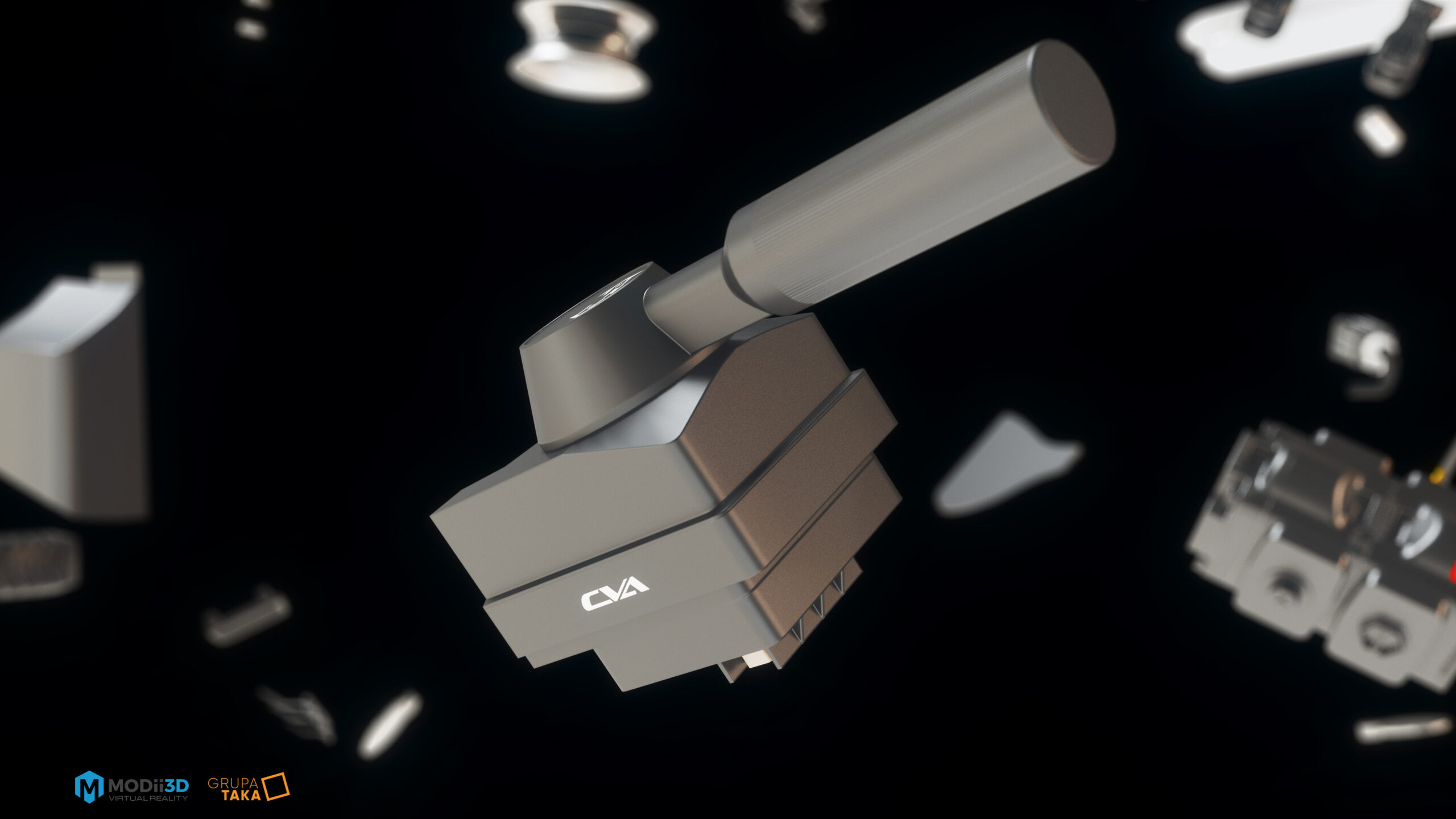
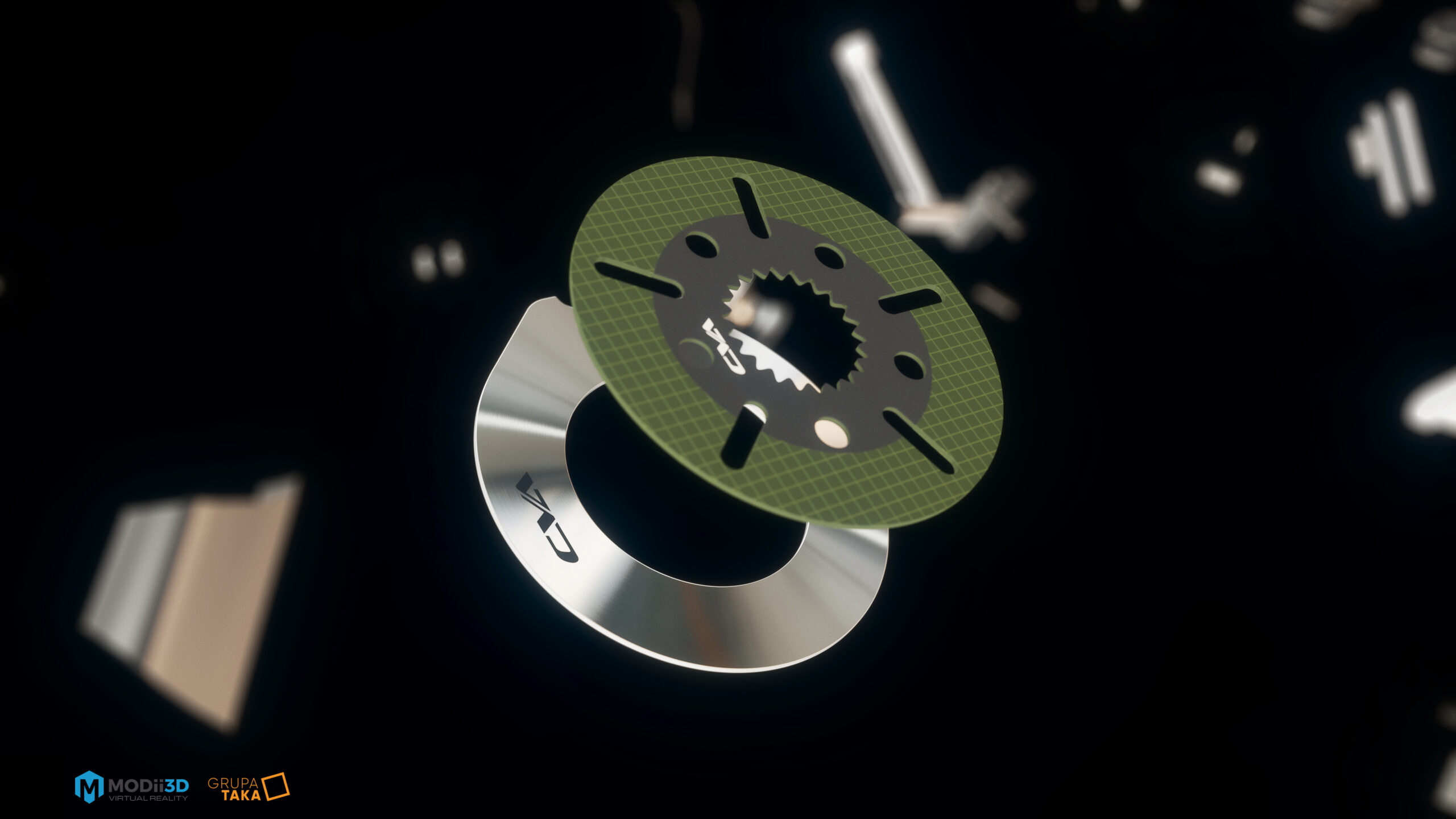
It isn’t required. In the CVA project, we proved that we can work from photos, sketches, and physical components. Thanks to our experience in industrial digitization, we can recreate details with high precision without burdening your engineering department with requests for CAD files.
2. How is the technical accuracy of equipment operation ensured in the animation?
At modii3d, we don’t just “draw” — we understand functionality. Before the rendering stage, we consult on key mechanical movements and flows so the animation matches reality. This is essential when the audience for the material includes engineers and specialists from the industrial sector.
3. Can a 3D model, once created, be used in the future?
Yes, that’s one of the biggest advantages of digitization. The 3D model of the CVA product becomes a digital asset of the company. We can update it at any time (e.g. during a product refresh), use it to create assembly instructions, AR (augmented reality) visualizations, or high-quality renders for printed catalogs.
4. How do 3D animations of industrial products translate into sales results?
At trade fairs, a 4K animation acts like a “lead magnet” — it keeps customers at the booth 40% longer than a static display. In the sales process, it shortens the time needed to present complex technologies, letting salespeople focus on business benefits rather than explaining how the device is built.
5. What does the collaboration process look like, so it doesn’t overly involve our team?
We work in a partnership model. After the brief and reference materials are handed over, we take on the production workload. Approval stages are clear and specific (storyboard, model, untextured animation, final render), keeping your decision-making time to the necessary minimum.
6. Where can 3D animations created for trade fairs be used?
These materials are versatile. They work perfectly on a manufacturer’s homepage, on social media (LinkedIn), in sales presentations, and as part of modern technical email campaigns.