


Industrial 3D Animation and Visualization
Modii3D is a 3D studio in Gliwice, Poland, creating industrial 3D animations and visualizations from client CAD data - we show processes, machines and investments that cannot be filmed.
Short answer: we create 3D animations and visualizations for manufacturers of machinery, equipment and industrial technologies. We show what cannot be filmed – processes inside machines, phenomena at micro scale, underground installations and facilities that have not been built yet. We work from CAD documentation supplied by the client, and the finished materials are used at trade shows, in sales presentations, on websites and in technical training.
Which industrial challenges does 3D graphics solve?
Industrial products share one trait: what matters most is usually the hardest thing to show. These are the six challenges our clients bring to us most often.
- The process is invisible. Fluid flow in a heat exchanger, material degradation at micro scale, self-lubrication where two components meet, methane drainage from a coal seam – no camera can record any of these. 3D animation shows them in cross-section, in slow motion and from any angle.
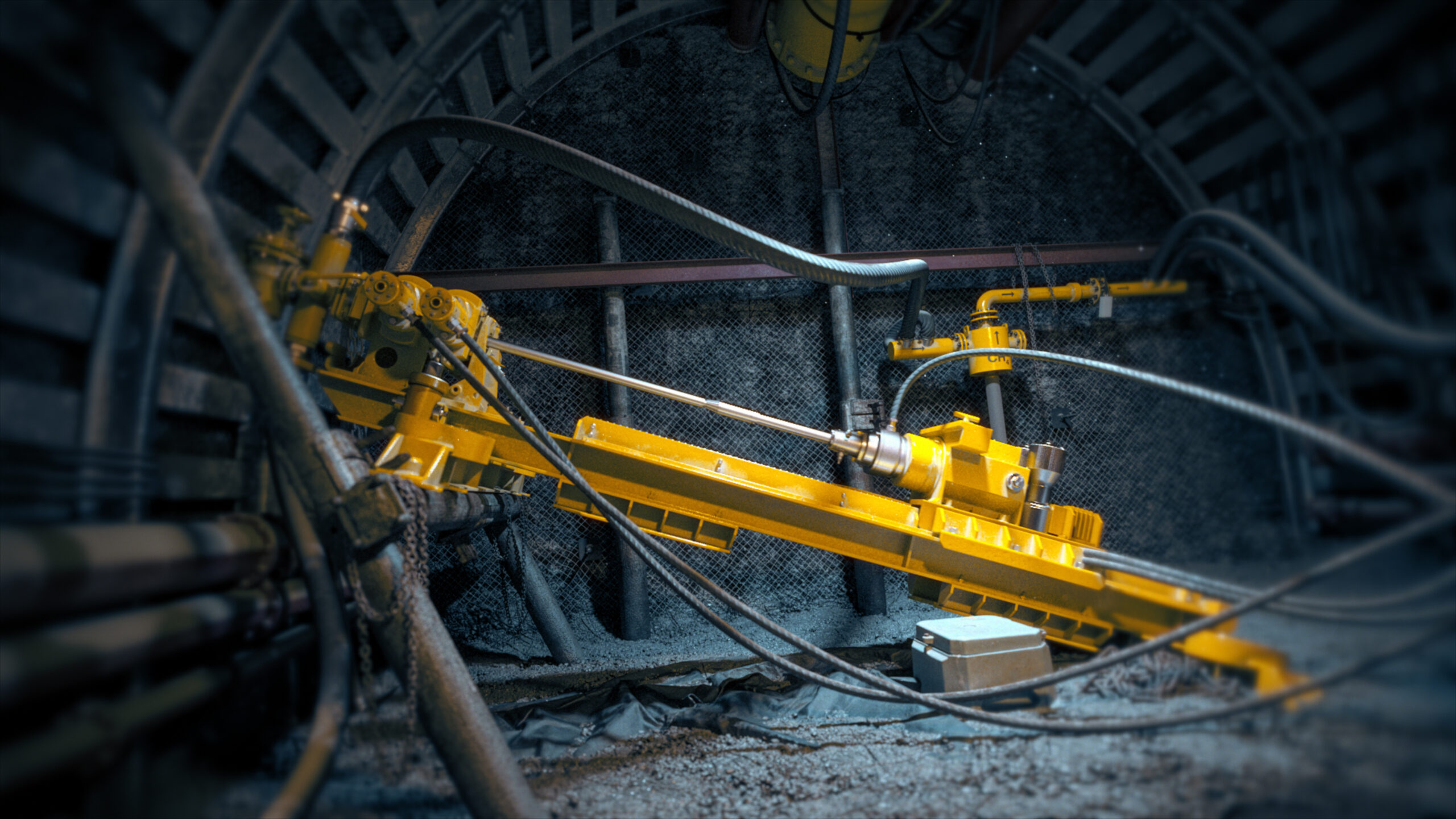
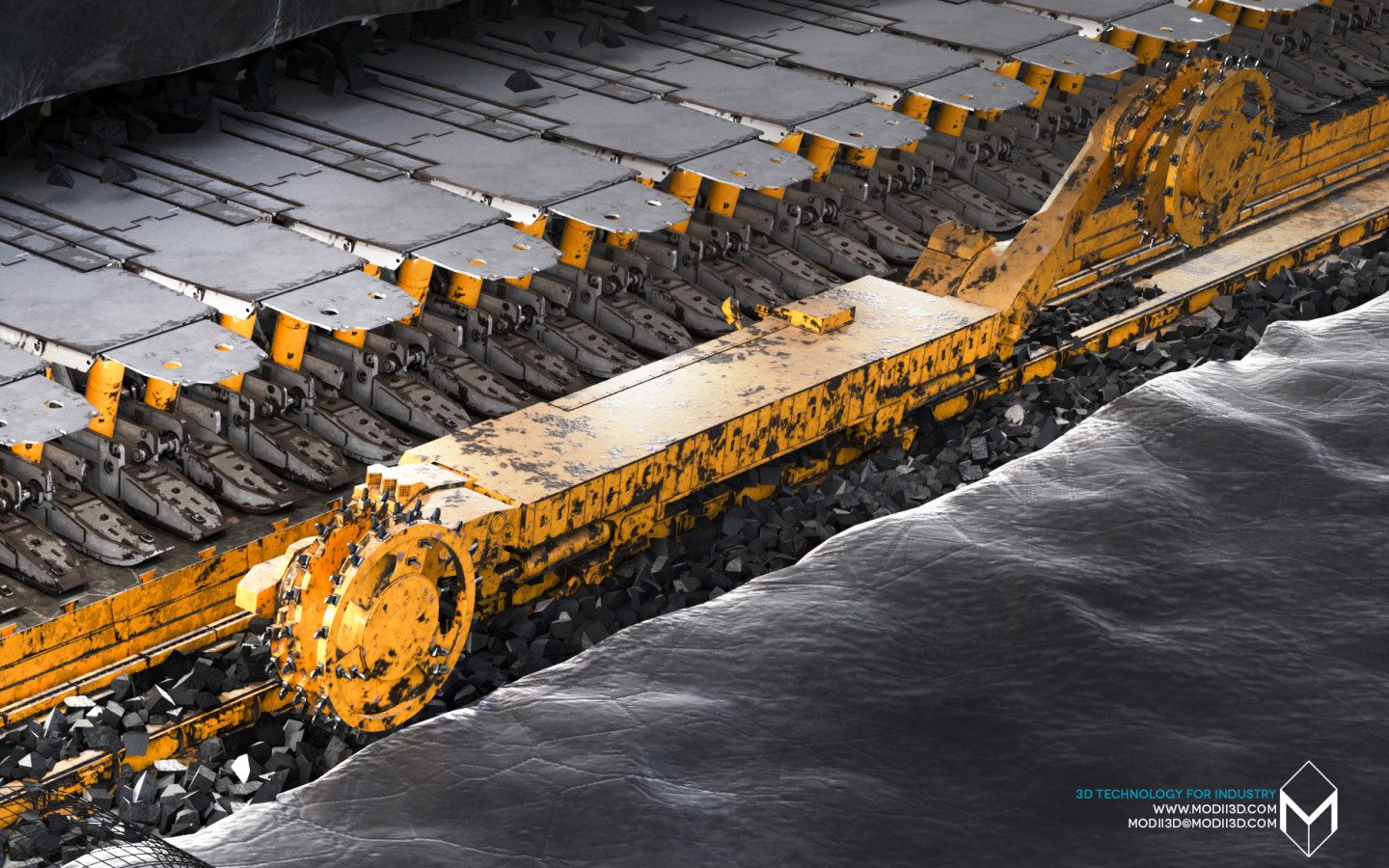
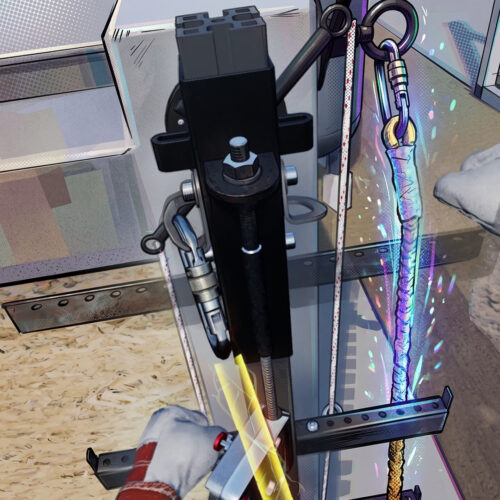
- The location is inaccessible. A mine deep underground, an explosion hazard zone, the inside of a running installation, work at height. Bringing a film crew there requires permits, stopping operations and money – and is sometimes simply impossible. 3D animation recreates these conditions without any of these constraints.
- The machine is too big. Shipping oversized equipment to a trade show is expensive and logistically complex. A visualization shows the machine at full scale, in operating conditions that visitors could never see.
- The facility does not exist yet. Industrial investments need approval from the board, investors and institutions before the first structural element is built. A concept visualization replaces imagination with a concrete picture.
- The product is inconspicuous or comes in many variants. A component that does not reveal how hard it works, or a catalogue with hundreds of items – in both cases product photography stops being enough.
- The material has to be true to reality. In sales and technical materials for industry, an impressive image is not enough – the client, the engineer and the purchasing department need to see exactly this product and exactly this process. We use AI tools ourselves in our work, but our experience in 3D graphics and in implementing AI is clear: for technical subjects, the most reliable way to present a product and a process remains 3D animation or visualization built on production 3D models. That is why we work from the client’s CAD documentation – geometry, proportions and the sequence of the process in the animation match reality.

What do we deliver to industrial companies?
- 3D animations – showing how a device works, the sequence of operations and the processes inside it. Technical cross-sections, X-ray effect, flow simulations, slow motion.
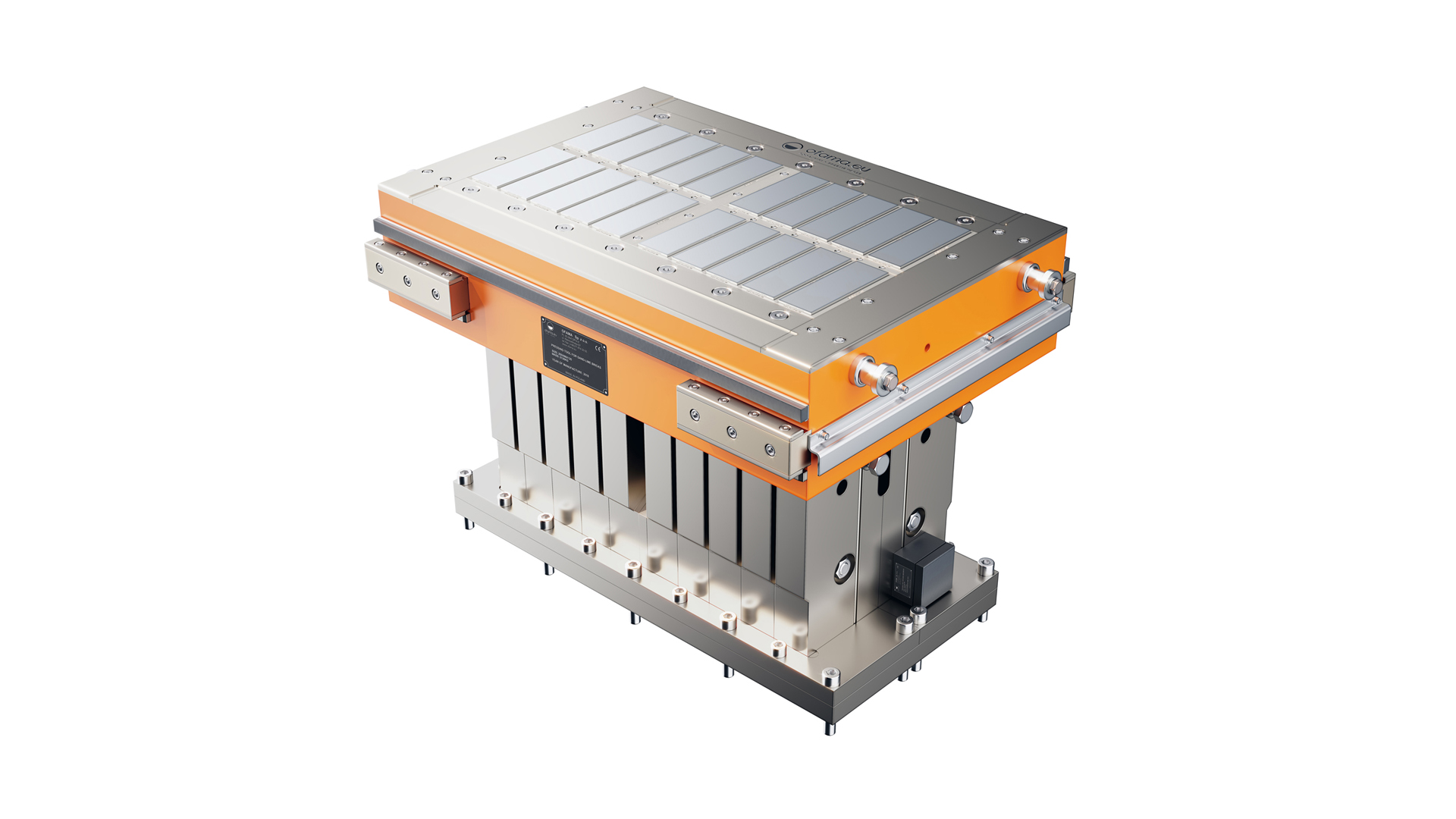
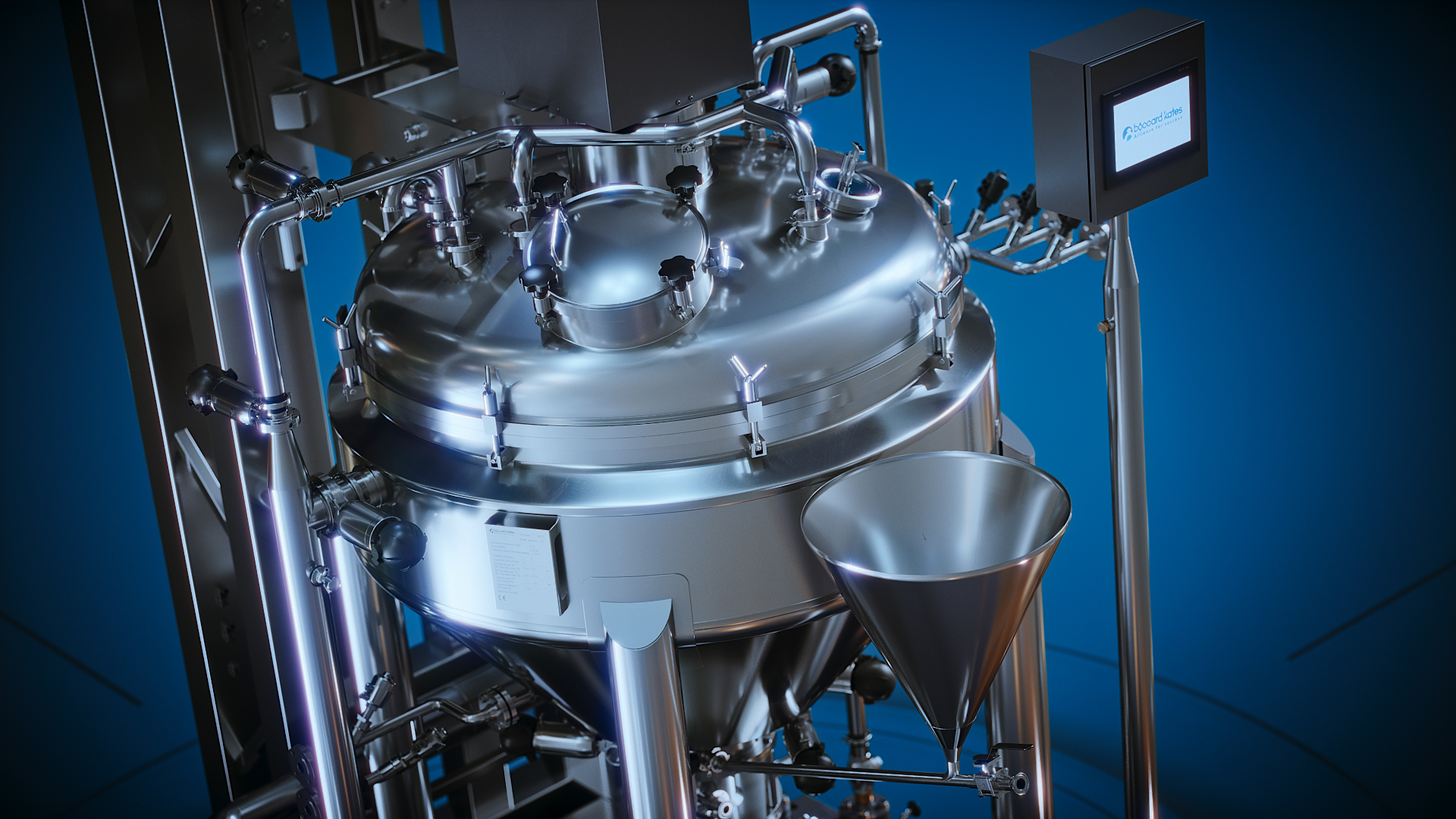
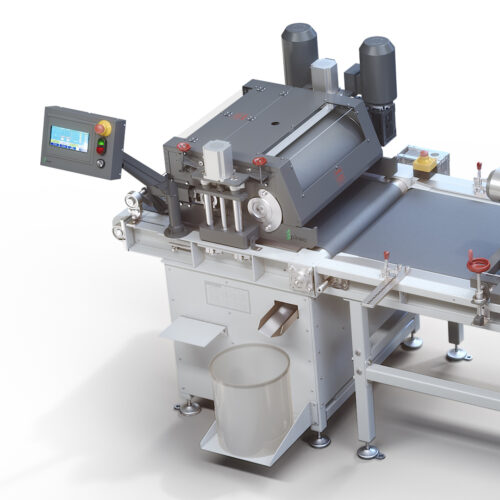
- 3D visualizations – photorealistic shots of the product in a studio setting or in its working environment. Well suited to catalogues, websites and sales materials.
- Interactive presentations – materials in which the viewer decides what to explore. Useful at a trade show stand and during sales meetings.
- VR applications – training and simulations in an environment close to reality, without risk and without stopping the production line.
If the visuals need to go further than a website, we work with trusted partners on catalogue design and printing and on brand development and communication. You can run the whole chain, from the 3D model to the finished material, through one point of contact.
Industrial 3D projects – selected work
Processes and places a camera cannot reach:
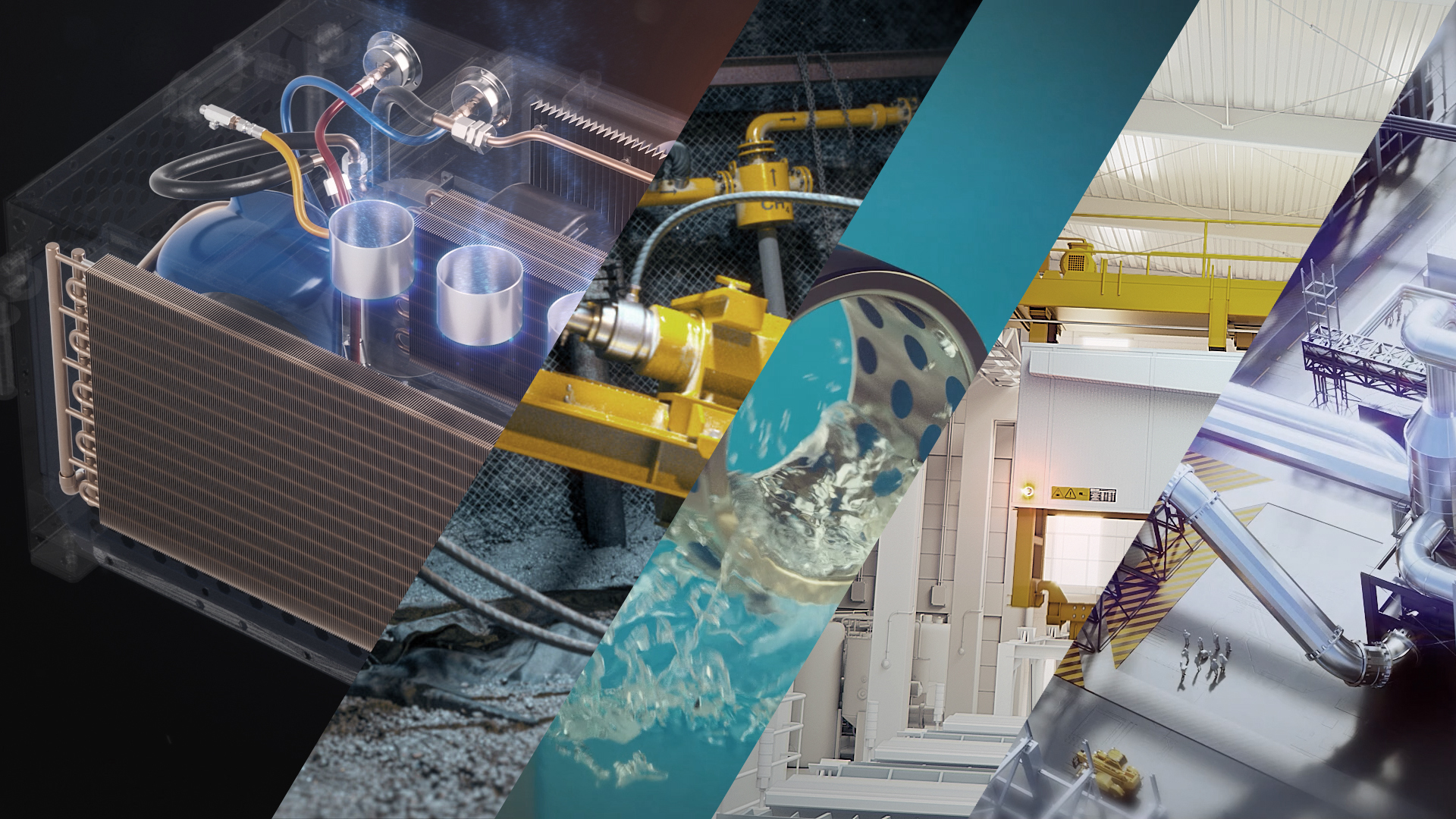
- AS Technik – a 90-second animation of three HVAC/R units. Particle simulations, X-ray effect and thermal colour coding show refrigerant flow and heat exchange inside the casing.
- James Cropper (Hoerbiger) – visualization of material degradation in PEM electrolysers for the green hydrogen sector. Micro-scale processes that take years, shown in a few seconds.
- Exme Berger Group – the methane drainage process, from the borehole to gas transport to the surface.
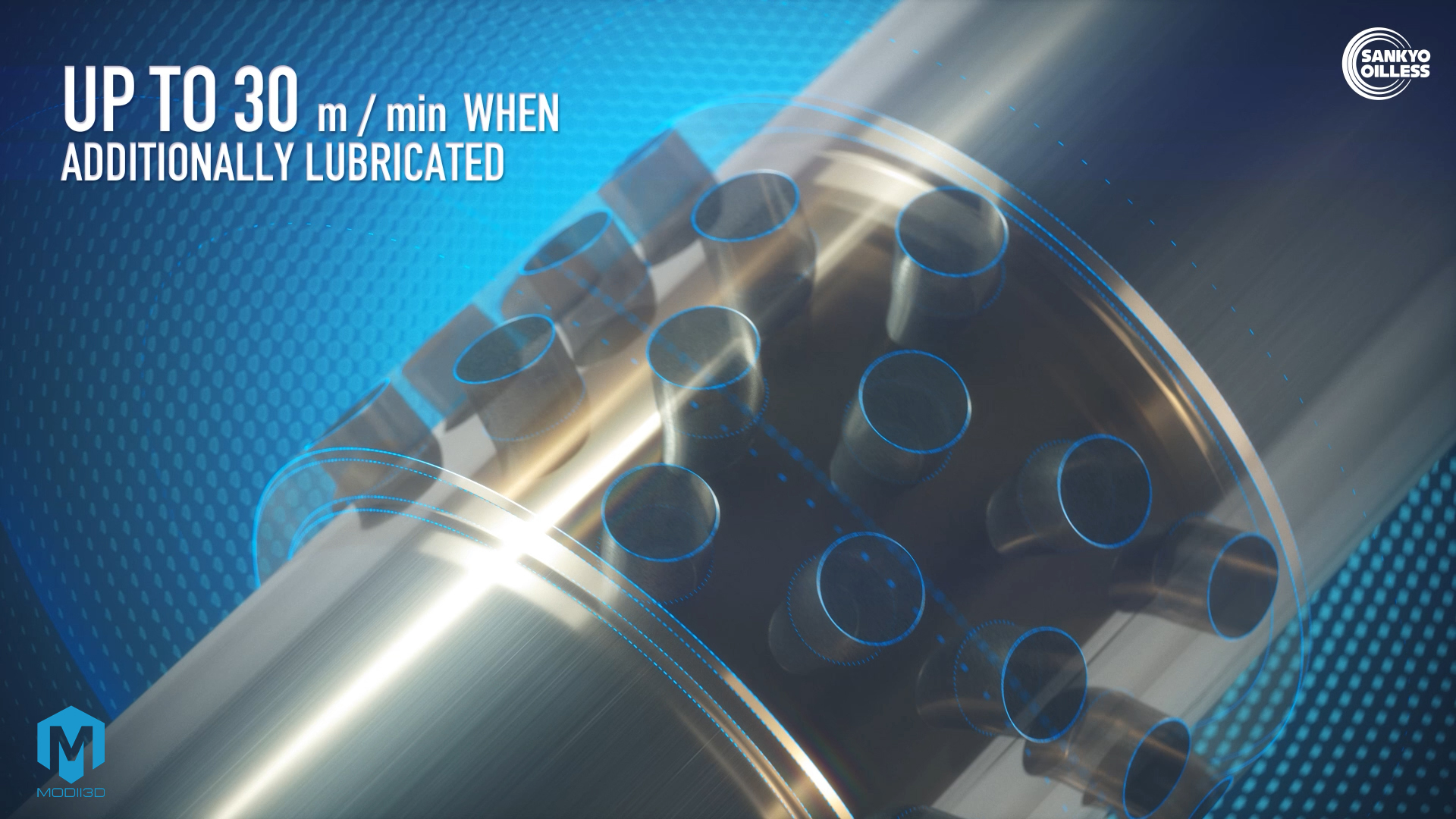
- Sankyo Oilless – the self-lubrication mechanism and components working underwater and at high temperature.
- Carbospec – animation of the Grid Carbo safety mesh in underground workings. The material was presented at trade shows, and the product itself won first prize in the “Innovations in Industry” competition in the “Workplace Safety” category.
Investments and facilities:
- Węglokoks – animation of the concept for a new electric steel plant, prepared before the investment was carried out.
- Gustav Wolf (Zimna Wódka, Poland) – 3D animation of a production plant operating to the Industry 4.0 standard: an unmanned production hall supervised in the cloud, with RFID identification of components.
Product scale and assembly:
- LUG Light Factory and Luxiona – high-volume catalogue work: 500 3D visualizations and 100 stop-motion 360° animations for LUG, and an ongoing partnership with Luxiona – successive product animations and dozens of luminaire visualizations.
- Niczuk (THALE) – a manufacturer of fixing systems for HVAC and sanitary installations and support structures. The animation shows the system mounted in a rooftop application, presenting the order and simplicity of installation in a real environment. The material went to the sales teams as a sales tool.
- MineMaster – adapting mining machinery for military engineering. The animation shows rapid construction of bunkers and tunnels with equipment originally designed for mining.
See our full portfolio in the projects section.
How does the cooperation work?
- We work from your documentation. The starting point is usually CAD files (.step, .iges) or technical drawings. We audit the geometry, remove collisions and optimise the models for rendering. Details in our STEP files guide.
- Timeline. A standard 3D animation takes about 8 weeks, studio visualizations 1-5 working days. The full table is in our pricing guide.
- Pricing. Animations are priced per second of finished footage, visualizations per shot. High-volume product projects are quoted individually.
- Remote cooperation. We work with clients in Poland and abroad. We share progress on platforms such as Miro, which keeps online meetings to a minimum.
Frequently asked questions (FAQ)
Can a 3D animation be created directly from CAD files?
CAD files are a good starting point, but they need preparation. Before animating, we audit the geometry, remove component collisions and retopologise the mesh. Only a model prepared this way can take realistic materials and technical cross-sections.
How much does an industrial 3D animation cost?
Animations are priced per second of finished footage, visualizations per shot. The cost depends on the complexity of the geometry and the number of processes to show. We publish detailed price ranges in the article How much does 3D visualization and animation cost?
How long does a project take?
A standard 3D animation takes about 8 weeks. Studio visualizations without a background take 1-5 working days, visualizations in an environment from 3 days to about a week. For urgent deadlines, a shorter timeline is possible with additional resources.
How do you show liquid or gas flow inside a device?
We use particle systems that let us control the density, speed and path of the particles simulating the medium. Combined with an X-ray effect and thermal colour coding, the process becomes readable without removing the device casing.
Do you work with clients outside Poland?
Yes, we work with international clients. The pricing model is the same regardless of location; only the communication set-up and contact hours differ when time zones are far apart.
What should we prepare before starting a project?
Ideally CAD documentation, a script or a list of processes to show, and your brand identity materials. The more complete the brief, the shorter the concept phase and the lower the cost. You will find a full checklist in our 3D animation guide for businesses.