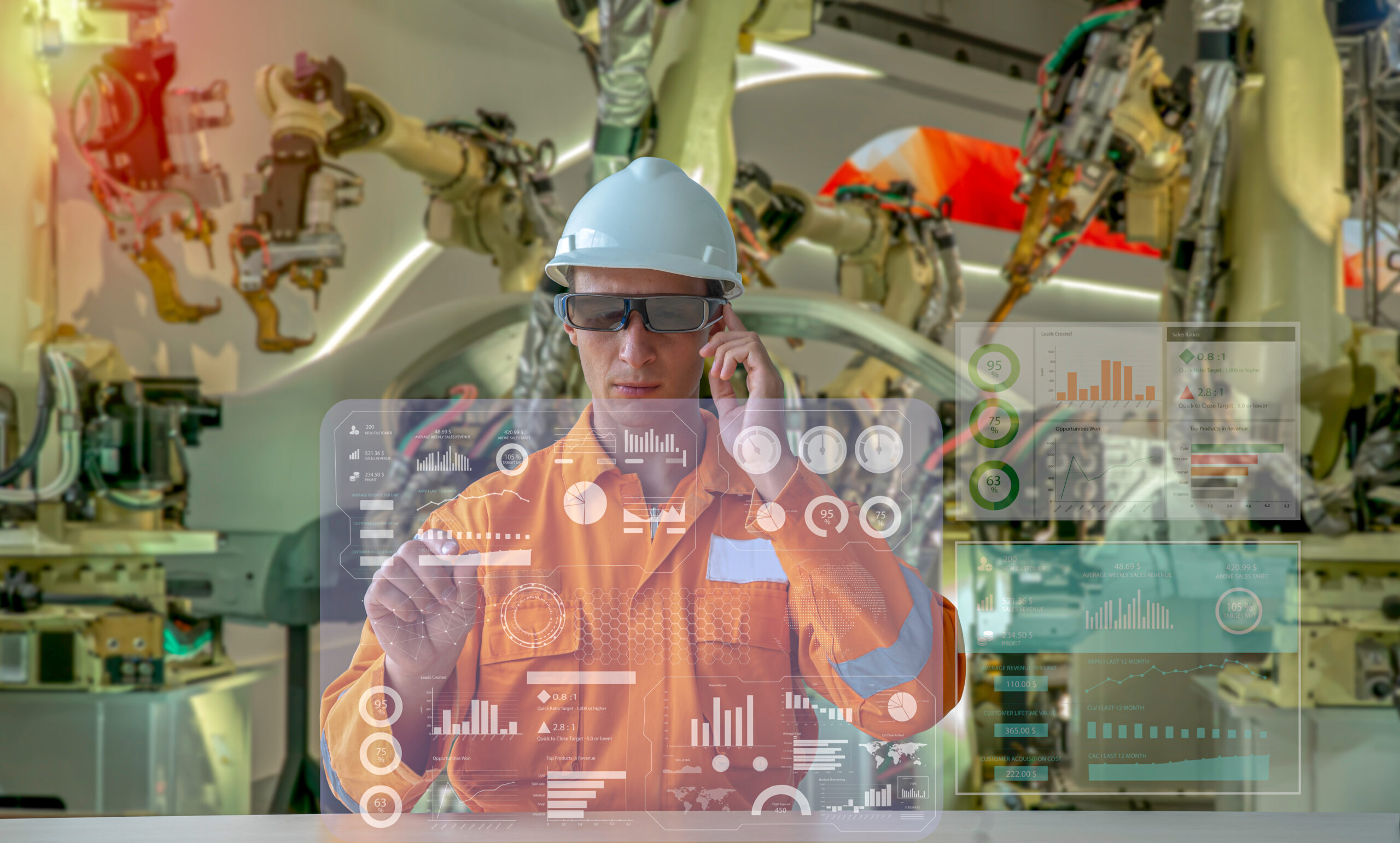
The industrial sector is increasingly opting to use AR technology in its operations. Augmented reality finds its application in the military, automotive, manufacturing, logistics and medical sectors, among others. The industry is seeing a lot of opportunities and benefits from such a solution.
Preview. Evaluation
Instructions. Assembly
Manufacturers can easily preview product models or prototypes, check and evaluate the technical condition of machinery and equipment.
A major benefit of using AR technology is also elimination of errors at the assembly level. Using virtual instruction minimizes the risk of mistakes at this stage. You can also check the correct placement of subsequent components, which is certainly great for the automotive or aerospace industry.
Comparing the real product with its virtual counterpart improves quality control. The benefit of holographic presentations is also minimizing the risk of damage to equipment or machinery.
Virtual clones of physical machines combined with AR allow, for example, demonstrations of how to service or repair them.
For example Jaguar Land Rover in cooperation with Bosch has created an app that allows you to share the dashboard of your Range Rover Sport car. The technology allows employees to be trained without physically removing the car. Companies that have opted to use AR technology in place of traditional manuals boast that they have seen a 90% reduction in errors, and installation cycle times have been cut by up to 50%.
Monitoring
Service
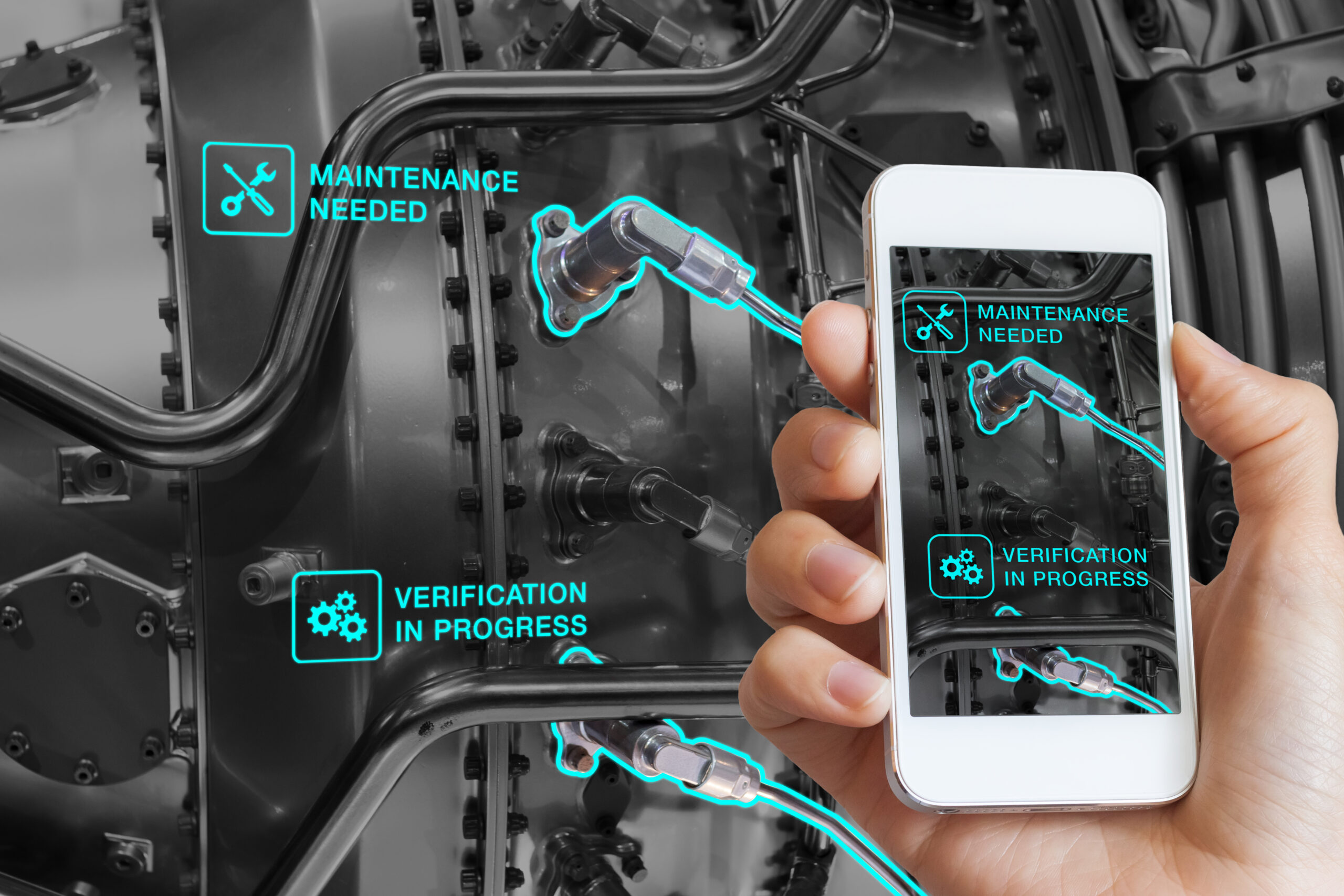
AR also supports service processes. By scanning a QR code placed on a part, you can see where the part is located, how it should be installed correctly and what to do in case of problems. Such interactive service books make it possible to service or install a given machine even by a person who has not received prior training. Technical data, parameters and all the necessary information will be displayed in front of the serviceman’s eyes on the real machine, and prompts provided by the application will help to guide him through the entire process.
The whole procedure turns out to be very clear and safe. However, in the case that the service technician is nevertheless unable to deal with the problem, it is possible to connect with engineers, regardless of their location, who will be able to look at the case thanks to AR technology.
Some applications also have a feature that allows you to constantly monitor the operation of machines or equipment. In case of any abnormality or malfunction, it will send a message warning about the event, the cause of its occurrence and how to fix the problem.
AR also allows for shorter production time and more efficient and effective processes.
For example Airbus optimizes time resources using augmented reality by showing electricians a virtual wiring harness superimposed on an actual aircraft. This makes installation take ¼ less time.
Design
Prototypes
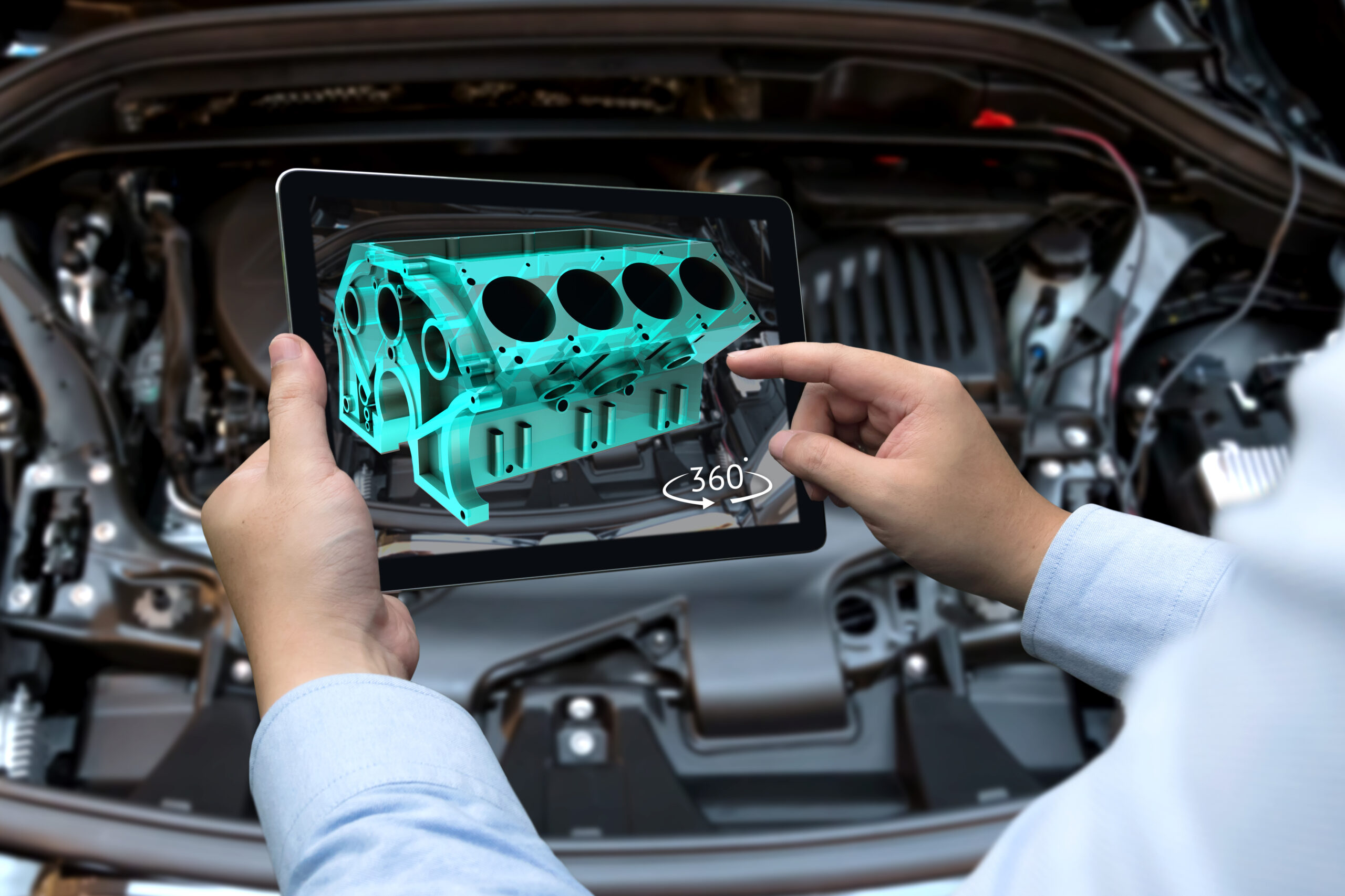
AR technology is also used to create prototypes. Virtual models make it possible to check the functionality or safety of a product, or they can be used to simulate a particular process. They can be analyzed, refined, and improved many times over with little time and expense, saving money and production time.
Planning
Logistic processes
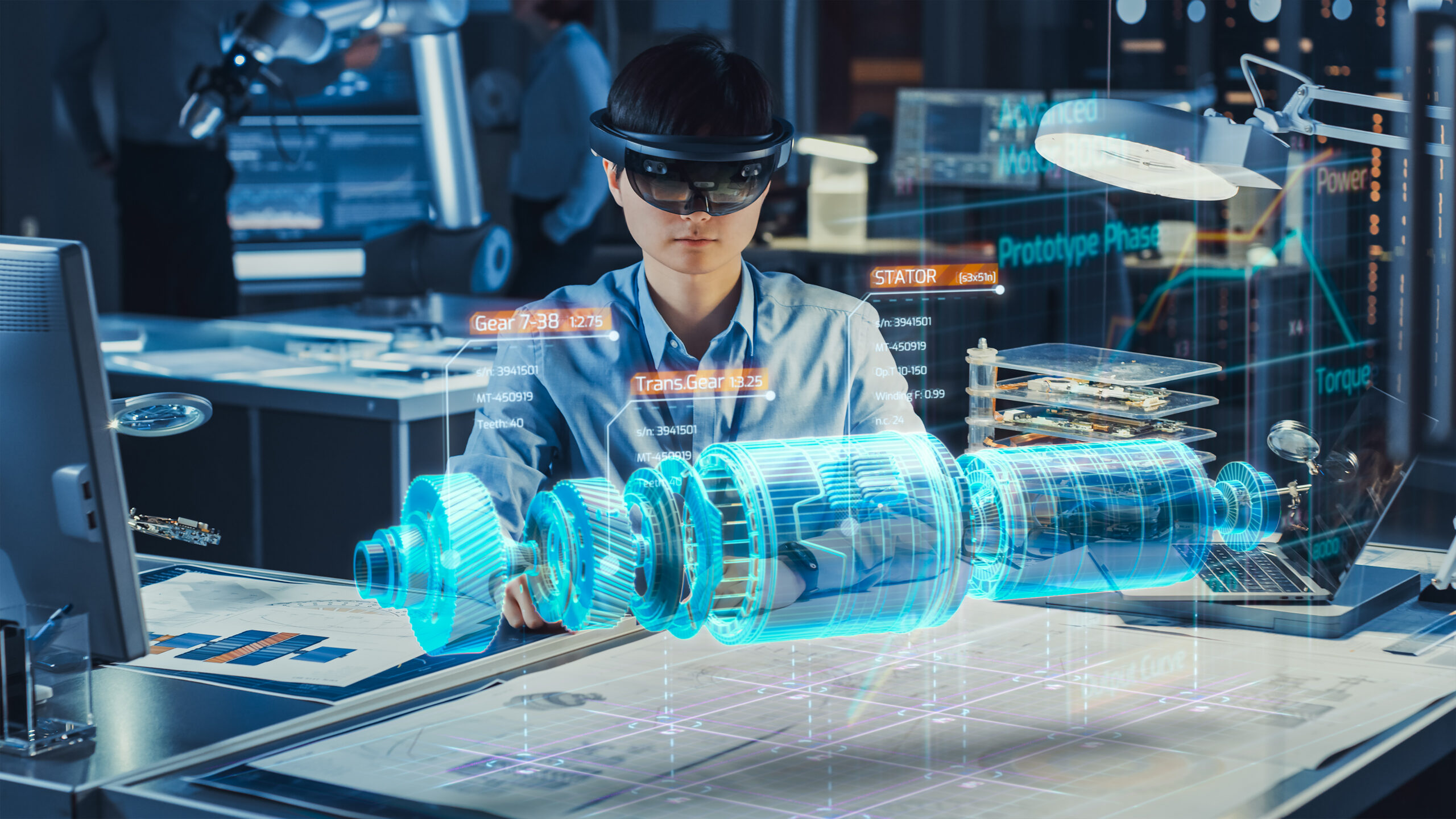
Audi bases the planning of its logistics processes on AR technology. Real-time, three-dimensional presentation supports the logistics department in planning for future and potential events. Using the “HoloLens 2” device, workers are able to see parts in the plant in the form of holograms that are created from CAD data. It is worth noting that they are displayed in actual sizes.
This eliminates the need to use models and prototypes. This affects the immediate development of solutions and early detection of possible problems.
The company admits that by using such a solution, work is more efficient and its various stages can be started much earlier.
For example, the manufacturing department plans new, innovative systems long before they are delivered to the factory.
Summary
Benefits
- monitoring of machinery and equipment, quick response to irregularities and problems
- less downtime
- quick access to information, instructions, charts, current information
- installation and service support
- remote cooperation with specialists in different locations
- data analysis, information management
- reduction of costs connected with service technician travels
- easy data exchange
- saving on production costs
- faster production and planning times
- more effective training
- minimize mistakes