The concept of Industry 4.0 implies complete communication, integration and remote management of all elements in the enterprise. It is based on communication between systems and industrial equipment in such a way as to acquire data to optimize work and processes.
The idea is to create an ecosystem that connects IT systems, machines, production workers and managers. It is important to transfer information between all these components. Through communication networks, integrations are created between machines and systems, whose data is collected, processed and analyzed in real time. This makes it possible to immediately respond to any deviations or irregularities, as well as to increase efficiency and optimize production.
Industry 4.0 encompasses a company’s entire chain of operations, starting with receipt of an order, delivery of materials, storage, quality control, production and shipping. The seamless flow of information allows for data collection, rapid processing and analysis. Reliable data, in turn, are the basis for decision-making in the enterprise.
The main goal is to streamline and optimize processes. Quickly responding in real time to any errors, ensures as little waste as possible and helps make improvements in various aspects.
The concept of Industry 4.0 is quite flexible and can be tailored for any industry. For example, in logistics, tasks related to monitoring warehouse status, routing, determining shipments and transport data will be key. In the automotive industry, it is important to optimize production, control processes and ensure the continuity of plant operations. Algorithms can be planned individually for a given factory or enterprise to meet its specific needs.
Industry 4.0 is based on knowledge, optimization and monitoring of all production systems. The elements that are currently shaping it are:
Industry Internet of Things – Ilot
Targeted at industry, the Internet of Things collects data from manufacturing processes and then sends it to data centers. This includes equipment, machinery and production lines, among others. This ensures optimized operation of production systems.
Clous-based Manufacturing – CBM
Virtual resources that collect data in any form, such as text files, sounds, images. The combination of cloud computing with IIot enables data transfer, processing and storage, and constant access to information.
Smart Factory
A factory that manages all processes independently. Integrated systems allow for increased production efficiency, rapid response and process flexibility.
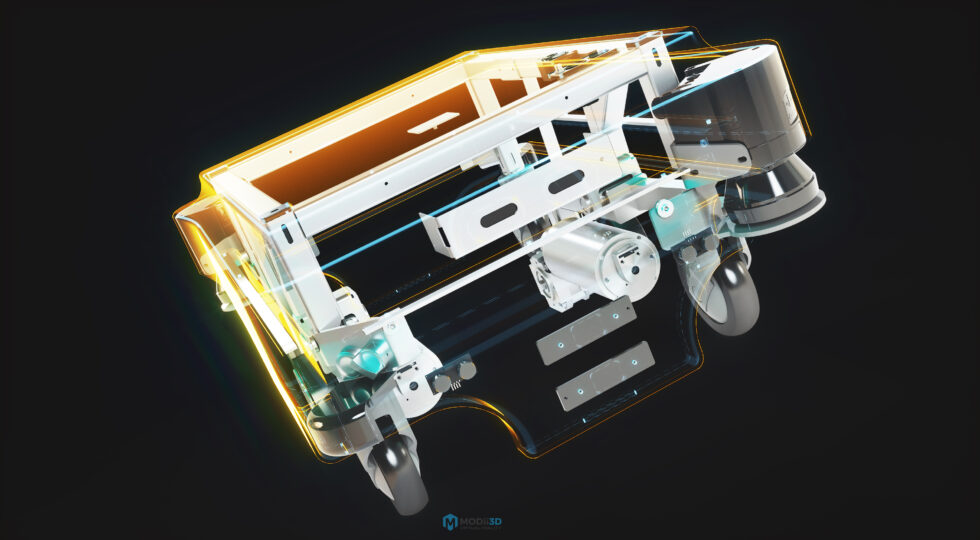
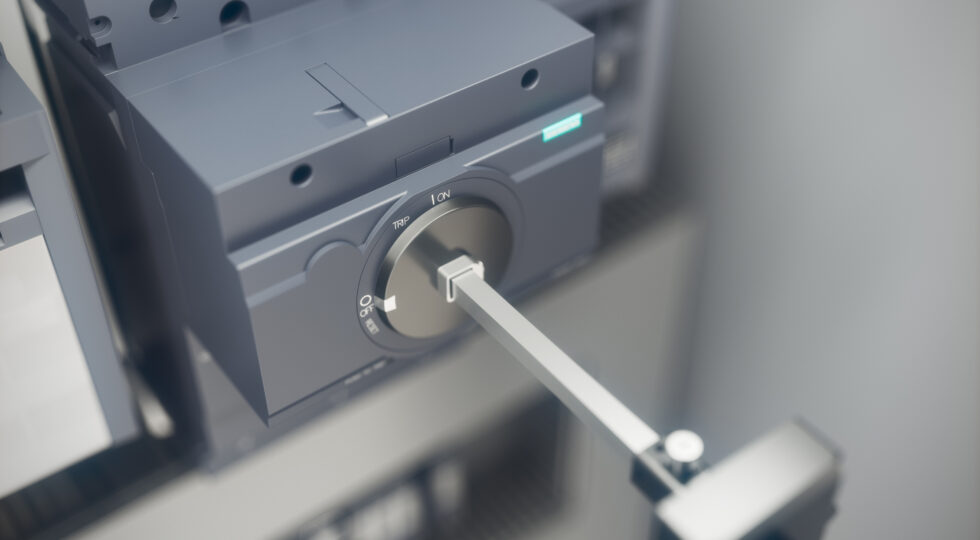
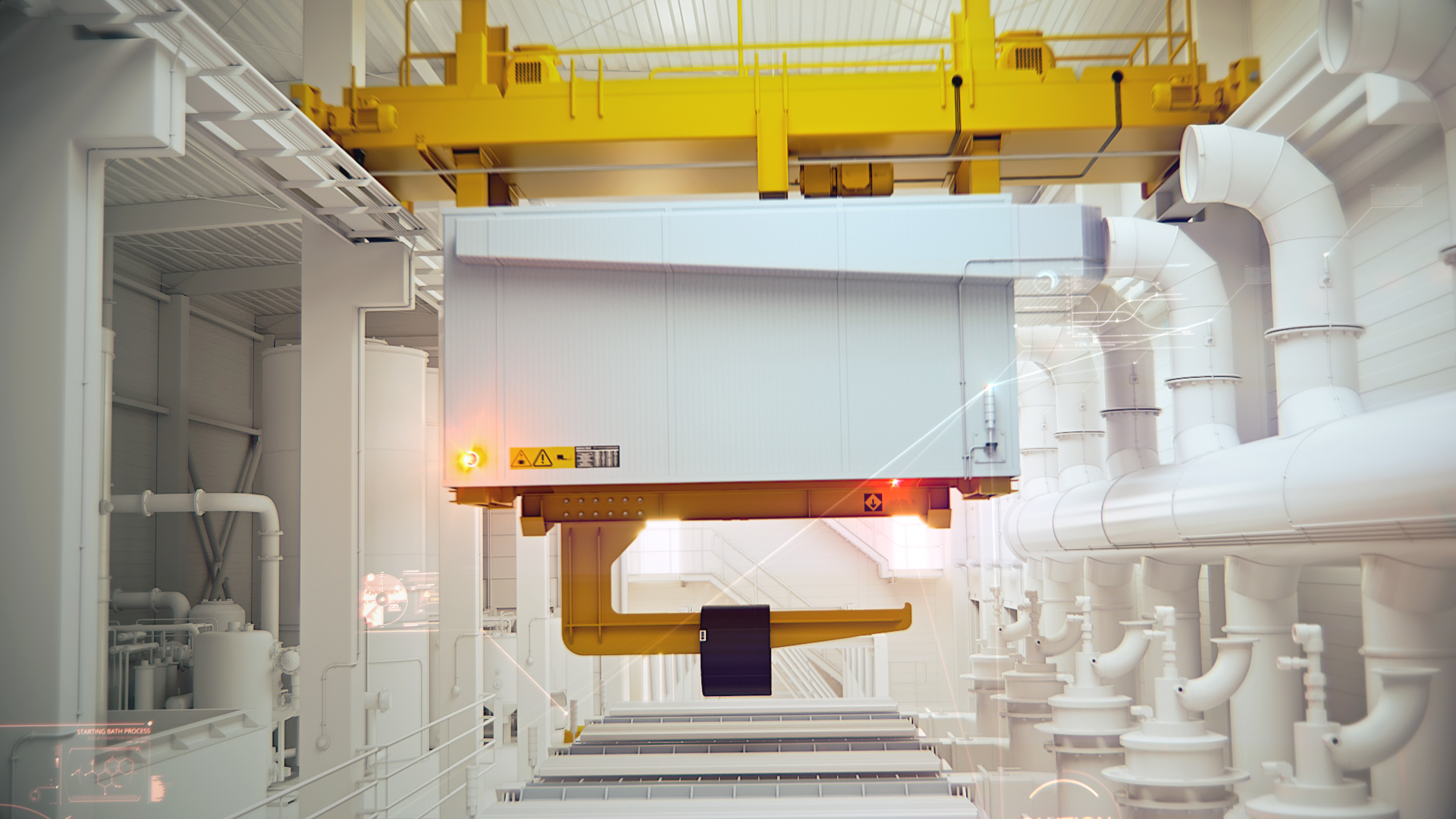
Modii3D had the opportunity to work on a project for Gustav Wolf, which introduced Industry 4.0. Our job was to create a 3D animaton, that presented the functioning of such an enterprise and depicted the transfer of data from cloud computing to individual devices.