Technology in the manufacturing sector has started to develop very quickly and is not going to slow down! We continue to see more and more technological innovations – in robotics, automation or digitization – that enable efficient production. They also allow rapid response to changes and updates in the production process.
In such a dynamic environment, continuous learning of new systems and solutions is essential. This uses digital manuals, which are much more effective than the traditional ones used until now.
Advantages of interactive instructions
information is provided briefly and specifically – without inundating the employee with unnecessary details;
the interactive presentation stimulates the imagination;
the employee does not have to read and imagine a particular process, but by observing it on the screen, he tries to understand the steps;
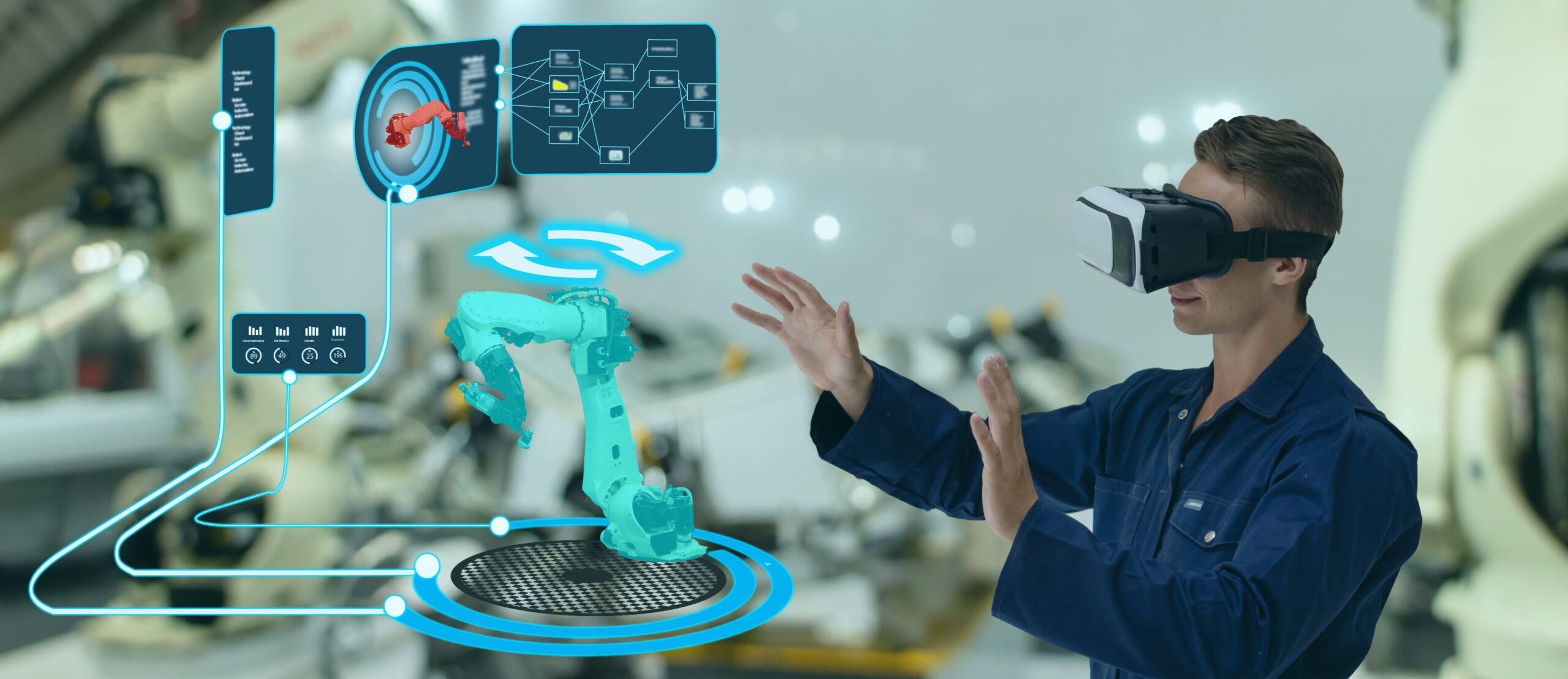
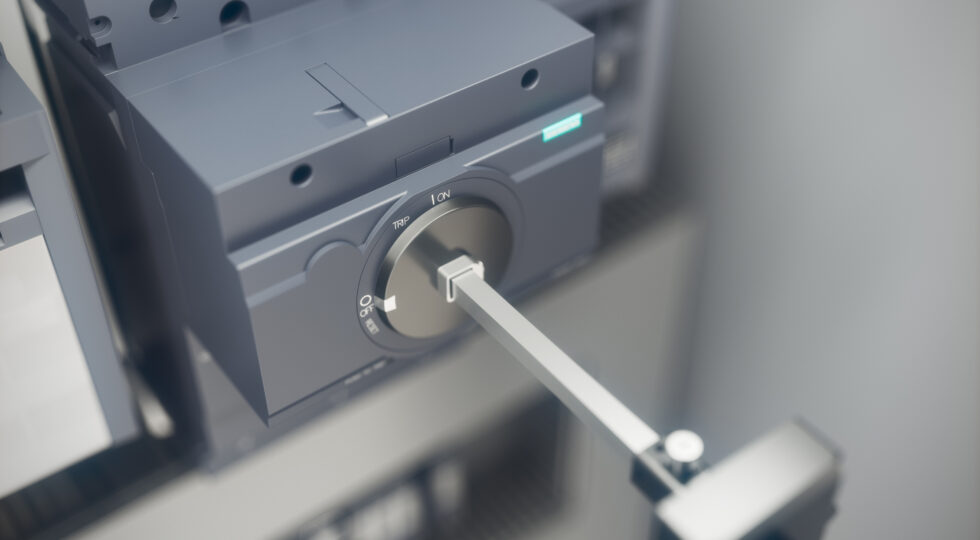
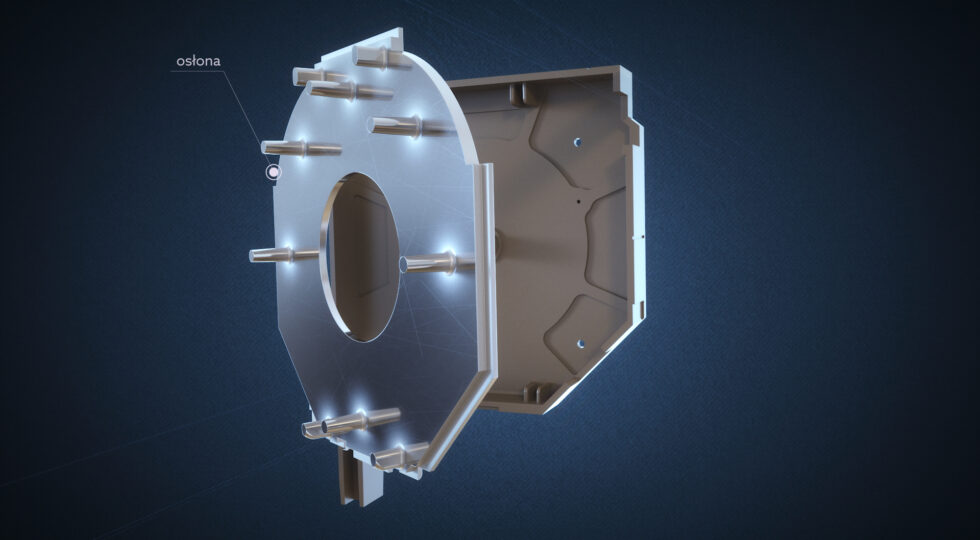
thanks to 3D models, we have the possibility of presentation from all sides, in various configurations and cross-sections – this is much clearer than complex technical drawings;
we have the ability to show movement, the sequence of a given process, parts not visible to the naked eye, a look inside the device, a slow-motion presentation – all of which are not possible with a paper manual;
if changes are made, we have the ability to quickly centralize updates in the manual;
combining video and audio – we can insert key cues or comments at any given time;
the lack of traditional instructions means saving ink and paper.
An example of a company that has implemented interactive instructions on the production line is Northrop Grumman. The solution is used during the assembly of the F-35 Lightning aircraft. Over the course of the program, savings of more than $100 million are expected.
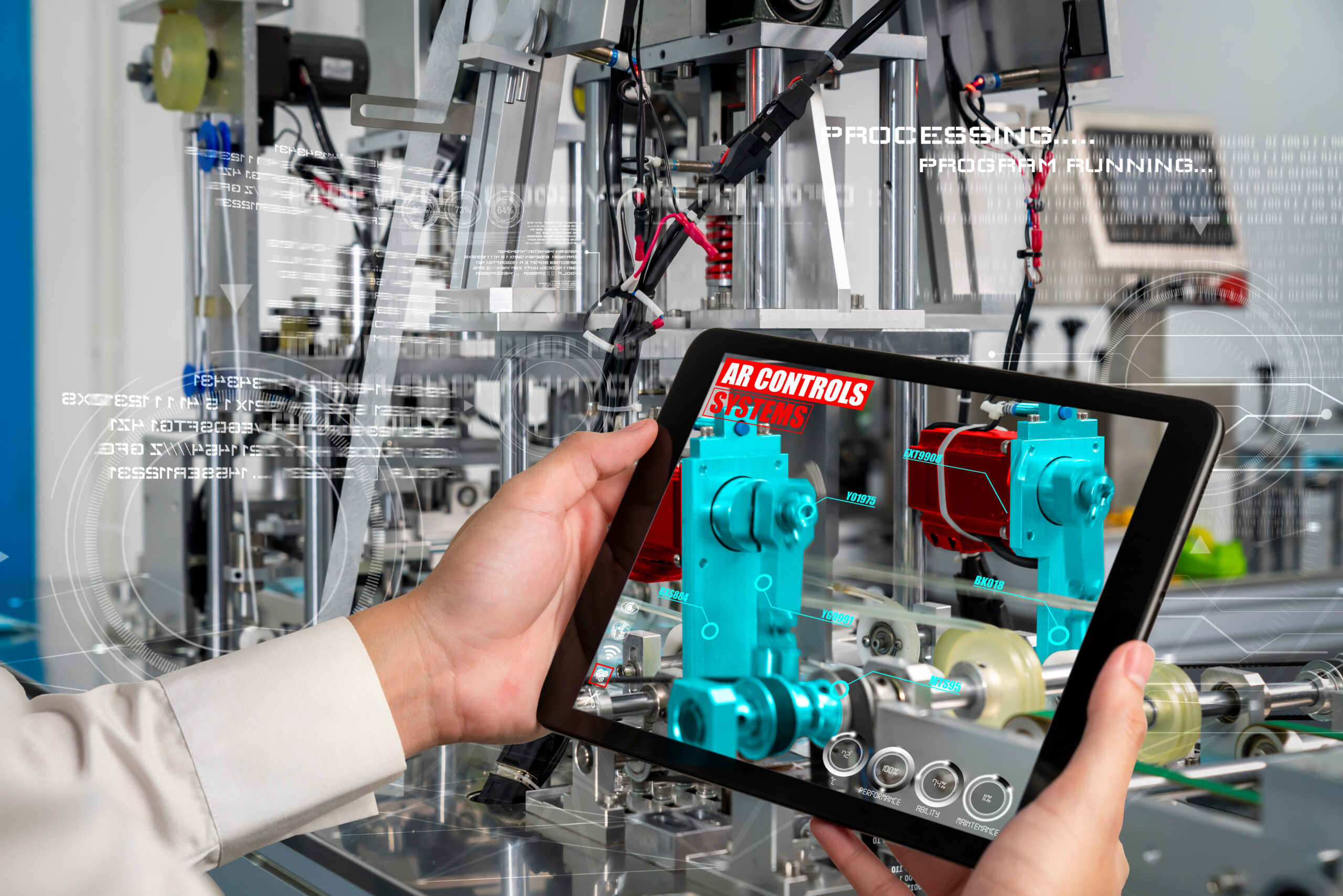
Digital operating instructions also prevent mistakes by the fitter. The activities he performs and the tools he uses at any given time are checked. Such functionality is extremely useful – especially in those moments when we need to “quickly” train new employees or redeploy human resources from other production lines. This saves both the time we would have had to spend on training and the time we would have had to spend on checking work, correcting errors and fixing defects.