Teams responsible for health and safety implementation have always struggled with the problem of how to prepare employees in crisis situations.
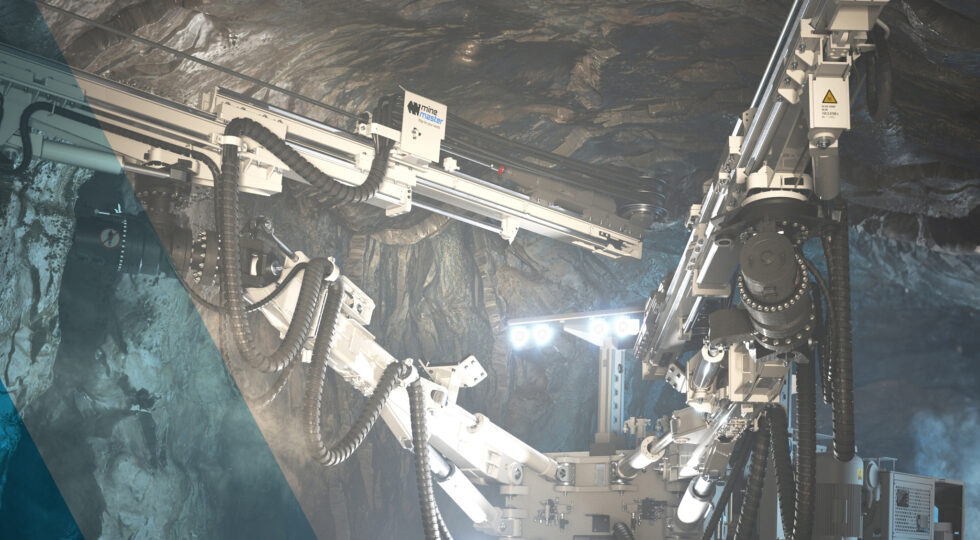
Until recently, they had limited opportunities by conducting standard training through lectures, brochures or books describing typical cases, or by investing in expensive solutions in the form of training grounds, where it was possible to simulate threats to a limited extent, but at the expense of increased risk. Recently, they are struggling with another problem – the generational change that occurs when experienced employees retire and young people expect modern and engaging training tools. VR promises the third way: a training method that can replace traditional learning methods and provide effective training in a secure, cost-effective environment. Certainly technology is not optimal for every educational activity. However, VR has been shown to offer measurable improvement in a wide range of tasks, from flying with advanced jets to mining operations in the most demanding sections.