Quick answer: at Modii3D, 3D animation is typically priced at 100–250 PLN net (excl. VAT) per second of finished footage, based on supplied STEP files and a ready script. 3D visualization is split into a modeling/adaptation stage for .step models and a rendering stage for the final high-resolution shot, priced at 100–300 PLN net per frame. Large-volume projects (e.g. hundreds of catalog items) are quoted individually. Below, we break down exactly what drives the final price.
How much does professional 3D visualization cost, and what determines the budget for a promotional animation? In the CGI industry, individual pricing is the standard — every three-dimensional project is a unique mix of technical and artistic variables. As Modii3D — a studio delivering projects for clients worldwide — we put together this guide to transparently explain what shapes the pricing of our 3D services.
Our work is guided by one simple rule: we show what’s hard to imagine. Turning complex ideas into a photorealistic image, however, takes the right resources. Here’s a breakdown of the key factors that determine the final production cost.
How Much Does 3D Modeling Cost? The Impact of Geometry Complexity on Price
The foundation of every project is modeling — building a digital mesh of an object from scratch (for a full breakdown of terms, check our 3D graphics glossary). The time an experienced 3D generalist needs depends directly on the geometry of the shape:
- Simple models (Low-Poly): case furniture, simple product packaging, architectural objects with regular forms. These are quick and relatively inexpensive to prepare.
- Advanced models (High-Poly): detailed industrial machinery, engines, complex vehicles, or medical devices. These require replicating hundreds of small mechanical parts.
- Organic models and characters: human anatomy, animals, advanced vegetation. This is the highest price tier due to the difficulty of digital sculpting.
How Do CAD Files Affect the Cost of a Project?
Good preparation of source materials by the client directly shortens turnaround time and lowers costs. At Modii3D, we review the documentation you provide with budget optimization in mind:
- Lower cost: providing ready-made CAD files, technical drawings (.dwg), production models (.step, .iges), or precise architectural drawings. Check out our guide to STEP files to learn how to prepare your technical documentation.
- Higher cost: that’s no problem at all if all you have is a hand-drawn sketch, a general written description, or lower-resolution photos — in that case, our team simply spends more time on the concept stage, refining shapes and technical details before moving on to actual modeling.
For a full checklist of what to prepare before placing an order, see our article How to Ensure Your 3D Animation Project is a Success: A Guide for Businesses.
Which Costs More: Static Visualization or 3D Animation?
The type of render is the single biggest factor separating smaller image-building projects from large production budgets. We explain the difference between the two services in more detail in our post 3D Visualization – How It Helps Companies Present Their Products. In practice, we price them differently:
- 3D animation – priced based on the length of the finished footage. With supplied STEP files and a ready script, the cost of producing 1 second of animation typically falls between 100–250 PLN net, depending on scene complexity, the number of physics simulations, and how detailed the models are. It requires creating a storyboard, rigging (building a movement skeleton), animating cameras and objects, and advanced physics simulations (fire, fluids, smoke, fabric).
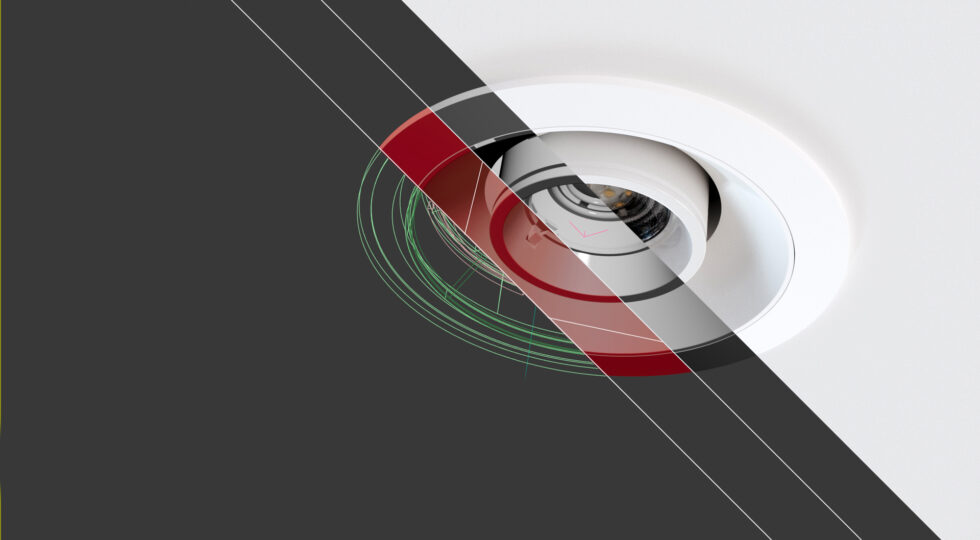
- 3D visualization – we split the process into two stages: modeling or adapting .step models (geometry verification, shader selection, scene building — studio or location) and producing the final high-resolution visualization, priced at 100–300 PLN net per shot. The second and any additional frame from the same, already-built scene is usually 50–70% cheaper than the first.
- Large-volume product projects (e.g. in the lighting industry, where a client needs visualizations of hundreds of product items plus dedicated 3D animations) are quoted individually — here, economies of scale and scene reusability are the main factors.
You’ll find our full offer on the 3D animation and 3D visualization pages.
How Does Photorealism Affect the Price of a Visualization?
How the final image looks depends on the amount of work put into the visual details that trick the human eye:
- Preview / concept visualizations: simplified textures, basic lighting. Used for a quick check of form or proportions.
- Photorealism (CGI / high-end): the use of professional PBR (Physically Based Rendering) materials, mapping of micro-scratches, dust, and material imperfections, plus advanced global illumination settings. Creating the illusion of a real photograph takes hours of testing and expertise in the physics of light and photography.
How Much Does Rendering and Computing Power Cost?
Rendering is the process of generating the final image or video file using processors (CPU) or graphics cards (GPU):
- One second of smooth animation is made up of 25 or 30 individual images (frames).
- Rendering a single minute of film in cinema or broadcast quality can take a single workstation hundreds of hours.
- Professional studios like Modii3D, working on projects for a global market, rely on external, commercial render farms. The cost of renting that computing power is a fixed component of any animated project’s budget.
What Does Working with International Clients Look Like?
We deliver projects for clients all over the world, so navigating different time zones and communication styles is simply part of our everyday work:
- Eurozone: collaboration runs smoothly with no friction at all — working hours largely overlap with standard business hours in Poland.
- North and South America: we organize contact in a similar way to our European clients, adjusting consultation hours as needed.
- Distant time zones (e.g. Australia): this is more of a logistical challenge, but at Modii3D we flexibly adjust our chat availability hours to keep communication smooth despite the time difference.
- Visual collaboration platforms: alongside direct contact, we use tools like Miro, where we continuously share our progress and clients can leave feedback in visual and written form. This keeps the number of online meetings to a minimum — usually just to kick off the project with a briefing — while the rest of the communication happens asynchronously, regardless of the client’s time zone.
How Long Does It Take to Produce 3D Visualizations and Animations?
Turnaround time depends mainly on the type of service and how complex the product is:
| Project type | Estimated turnaround | What affects the timeline |
|---|---|---|
| Studio visualization (no background) — simple product | 1–2 business days | e.g. a visualization package for lighting fixtures |
| Studio visualization (no background) — complex product | up to 5 business days | models with a high level of detail and files running into gigabytes (e.g. MineMaster mining roof bolters) |
| Environment visualization — simpler scene | 3–5 business days | e.g. fencing shown within an architectural context |
| Environment visualization — complex outdoor scene | around a week | e.g. mining equipment shown in its real-world setting |
| 3D animation — standard delivery | around 8 weeks | depends on the script and how complex the product is |
| 3D animation — rush delivery | from one week | requires committing more team resources |
| 3D animation — multi-product project (e.g. lighting industry) | longer than standard | every frame requires additional hours and days of consultation with the client |
Studio visualizations (with no additional background) usually take 2–5 business days, depending on how complex the model is. Visualizations set within an environment (e.g. against an architectural backdrop or a realistic outdoor scene) require extra time to build the scene — from 3 days up to around a week. We typically deliver 3D animations in around 8 weeks, though our portfolio includes projects completed in as little as a week (with a tight deadline and extra resources committed), as well as larger multi-product projects where every frame requires many hours of internal consultation between the client and our studio.
Summary: How to Optimize Your 3D Project Budget?
The price of 3D visualization and animation always comes down to the time our specialist team puts in and the hardware power required. To optimize costs, prepare a precise brief, provide complete technical documentation (see our guide to STEP files), and finalize the concept stage before the actual 3D work begins.
No matter how complex the project, at Modii3D we make sure the final result exceeds expectations — we bring invisible processes, prototypes, and the architecture of the future to life, because we show what’s hard to imagine.
Want to get an exact quote for your project? Check out our 3D animation and 3D visualization offer and send us your brief — we’ll get back to you with an individual quote.
Frequently Asked Questions (FAQ)
How much does professional 3D visualization cost at Modii3D?
We split the cost into two stages: modeling or adapting .step models (verification, shaders, scene building) and producing the final high-resolution visualization, which costs 100–300 PLN net per shot. The second and any additional frame from the same scene is usually 50–70% cheaper. Large-volume product projects are quoted individually. You’ll find more technical terms explained in our 3D graphics glossary.
How much does 3D animation cost per second?
With supplied STEP files and a ready script, the cost of producing 1 second of animation typically falls between 100–250 PLN net, depending on scene complexity, the number of physics simulations, and how detailed the models are.
Why does 3D animation pricing differ from static graphics pricing?
Animation requires putting objects into motion, building dynamic lighting, and rendering anywhere from 25 to 60 frames for every second of footage. This creates a much higher demand for animators’ work hours and for render farm computing power.
Are the prices the same for international clients?
Yes, our pricing model is identical regardless of the client’s location. The only differences relate to how we organize communication — collaboration with clients in the Eurozone and the Americas runs the same way as with domestic clients, while for more distant time zones (e.g. Australia) we adjust our contact hours. We also use platforms like Miro, which allow for visual consultations and feedback regardless of time zone differences.
How long does a 3D project take to complete?
It depends on the type of service: studio visualization (no background) usually takes 1–5 business days, environment visualization takes 3 days to around a week, and 3D animation typically takes around 8 weeks (rush delivery in as little as a week is possible, while larger multi-product projects may take longer). See the table above for details.
How does Modii3D live up to its motto “we show what’s hard to imagine”?
We specialize in creating advanced 3D animations and visualizations for the industrial, technology, medical, and architecture sectors. We turn raw engineering data, complex physical phenomena, and products that don’t exist yet into engaging, easy-to-understand, photorealistic marketing and educational materials for a global audience.
If you’d like to learn more about how 3D materials are made, take a look at these articles:
· What are .STEP files, and how do we put designers’ work to use in 3D animations?
· Technical and instructional animations
· 3D animations in advertising
Contact us to learn more!