3D Visualization as a Competitive Advantage in Product and Project Presentation
3D visualizations are one of the most important tools in modern visual communication. They allow you to present a product, space, or investment in a realistic and attractive way – before a prototype, building, or finished object is created.
At MODII3D, we create 3D visualizations for industry, local governments, developers, public institutions, and marketing and R&D departments. Our goal is to help clients better communicate their projects – in a way that is understandable, effective, and tailored to the audience.
1 267 / 5 000
1
What exactly are 3D visualizations?
Generally speaking, visualization is a graphical representation of data, ideas, or concepts that allows for better understanding. It can take the form of charts, infographics, spatial models, or diagrams – anywhere an image facilitates the interpretation of information.
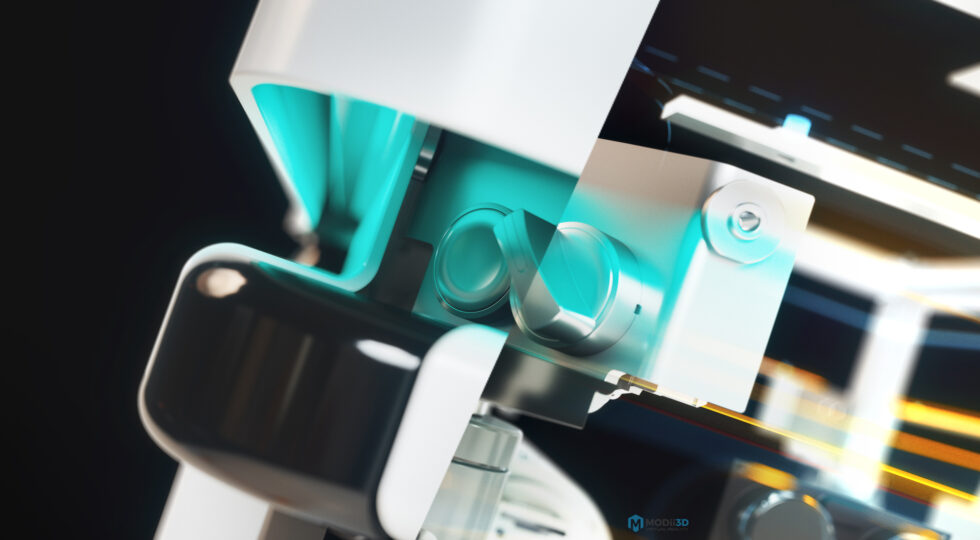
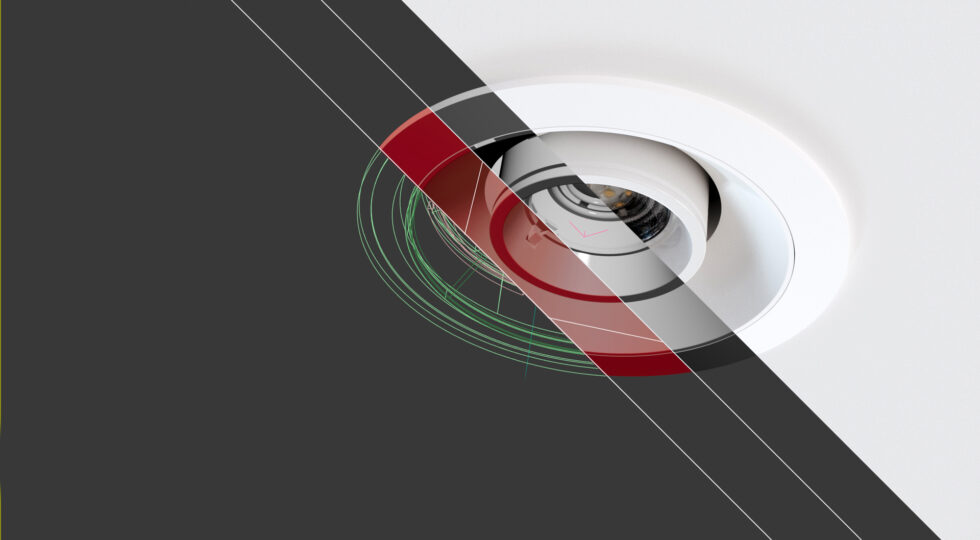
In the world of three-dimensional graphics (CGI – Computer Generated Imagery), the term 3D visualization refers to a static, computer-generated image that realistically represents an object, space, or product. It’s digital photography, in which every element – from lighting to color and framing – is fully planned and controlled.
It’s worth adding that although 3D animations are also created in 3D software, they constitute a separate category – they are a film, or a moving image. 3D visualizations, on the other hand, are single, still frames, ideal for conceptual presentations, sales proposals, and investment communications.
2

Main Applications of 3D Visualization
3D visualizations have an extremely wide range of applications – from industry and manufacturing, through culture, to architecture. They allow you not only to present designs but also to plan, analyze, and sell solutions before they are even created.
3D Visualizations of Machines, Equipment, and Industry
Technical visualizations show complex machines, process lines, automation systems, and entire industrial processes. They aid in communication with customers, during trade shows, in marketing materials, and in internal R&D presentations.
3D visualizations of production, halls, and machinery parks
They allow you to present the layout of halls, the arrangement of stations, assembly lines, and internal logistics. They support investment planning and investor discussions, and also help optimize production space before implementation.
3D Visualizations of Products and Production Elements
Product visualizations are the digital equivalent of photography. They allow you to showcase technical details, color and material options, and the context of use – in ideal lighting and surroundings. It’s an effective tool for marketing and sales departments.
3D visualizations for museums, culture, and archaeology
Historical reconstructions, models of exhibits, museum interiors, and planned exhibitions. They allow us to recreate objects that no longer exist and create educational and promotional materials for cultural and scientific institutions.
3D visualizations of events and trade fair booths
Presentations of exhibition stand, scenography, and display conceptsPresentations of exhibition stand, scenography, and display concepts. They help marketing teams plan spaces, visual communication, and event logistics before production begins.
3D visualizations of gazebos, shelters, fences, and railings
An excellent tool for manufacturers and designers of small architectural elements. They enable the presentation of products in realistic environments and with various finishing options, making it easier for customers to choose the final solution.
3D visualizations of hospitals, laboratories, and public institutions
They facilitate the presentation of planned investments in research spaces or the modernization of public facilities. They aid in communication with partners, investors, and residents, as well as in tender processes.
3D Architectural Visualizations
Architectural visualizations are the most well-known form of this technology – they present buildings, estates, interiors, and public spaces. They help investors, developers, and design offices communicate with clients and promote investments.
3
Why do companies invest in 3D visualizations?
3D visualizations facilitate project presentation and decision-making – both at the concept and sales stages. Their main advantages include:
- the ability to present a project even before it is created,
- full control over lighting, color, and composition,
- creating variants and material versions without physical prototypes,
- building a professional image of the company and product,
- better understanding of the project by investors and clients.
This combination of realism, flexibility, and cost-effectiveness makes 3D visualizations a standard in industrial, investment, and marketing communication today.
4

How is a 3D visualization created?
- Project analysis – determining the goal, audience, and scope of the material.
- 3D modeling – creating a precise model of an object or space.
- Materials and lighting – imparting realistic properties to surfaces and light.
- Rendering – generating the final high-quality image.
- Post-production – color correction, contrast, and details that emphasize the atmosphere of the scene.
The result is an image that not only It reflects the design, but also conveys the emotions and character of the investment.
5
Why choose MODII3D?
At MODII3D, we combine technical experience in working with industry and local governments with the artistic precision of 3D graphic designers. Each visualization is created with the client’s business goal in mind – whether it’s sales, investment communication, or product promotion.
- support marketing and sales,
- facilitate the presentation of technical designs,
- build a professional brand image.
See examples of our projects at www.modii3d.com – from industrial visualizations to urban concepts and local government investments.
Summary
3D visualizations are not just attractive images, but also communication, design, and promotion tools. They allow you to see a project in a realistic form before it’s implemented – and convince investors, clients, or the local community.
In the world of CGI, 3D visualizations mean static images – precise, refined, and fully controlled. And if a project requires movement and narrative, 3D animations are a natural complement, developing the same visual language.
If you’re looking for a partner who can help you professionally present your project, contact the MODII3D team.
If you want to learn more about the processes of creating 3D materials, we invite you to read the articles: