Project 3D Visualisations, 3D Visualisations
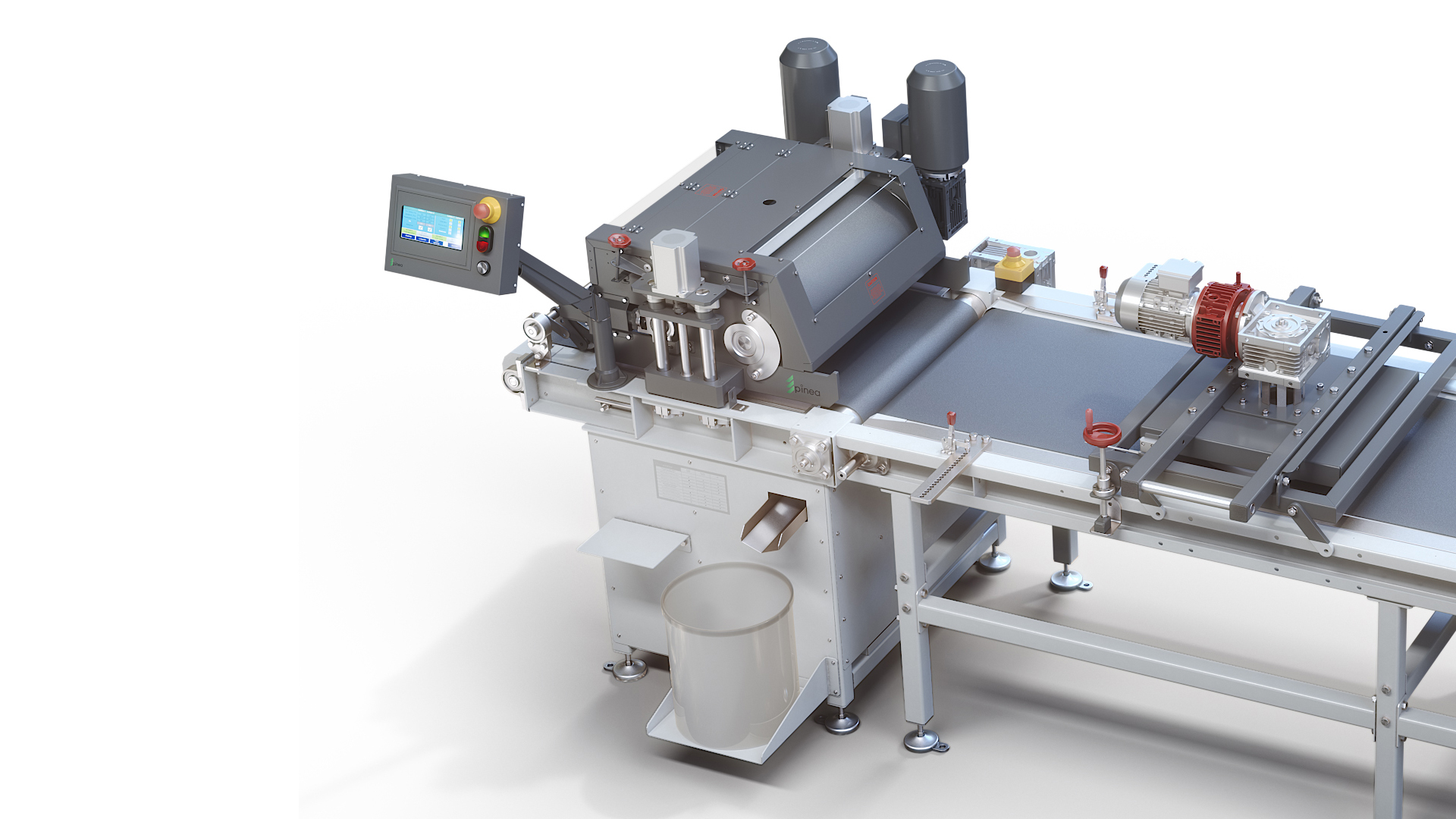
3D visualizations of machines for the woodworking industry
Realistic industrial visualizations
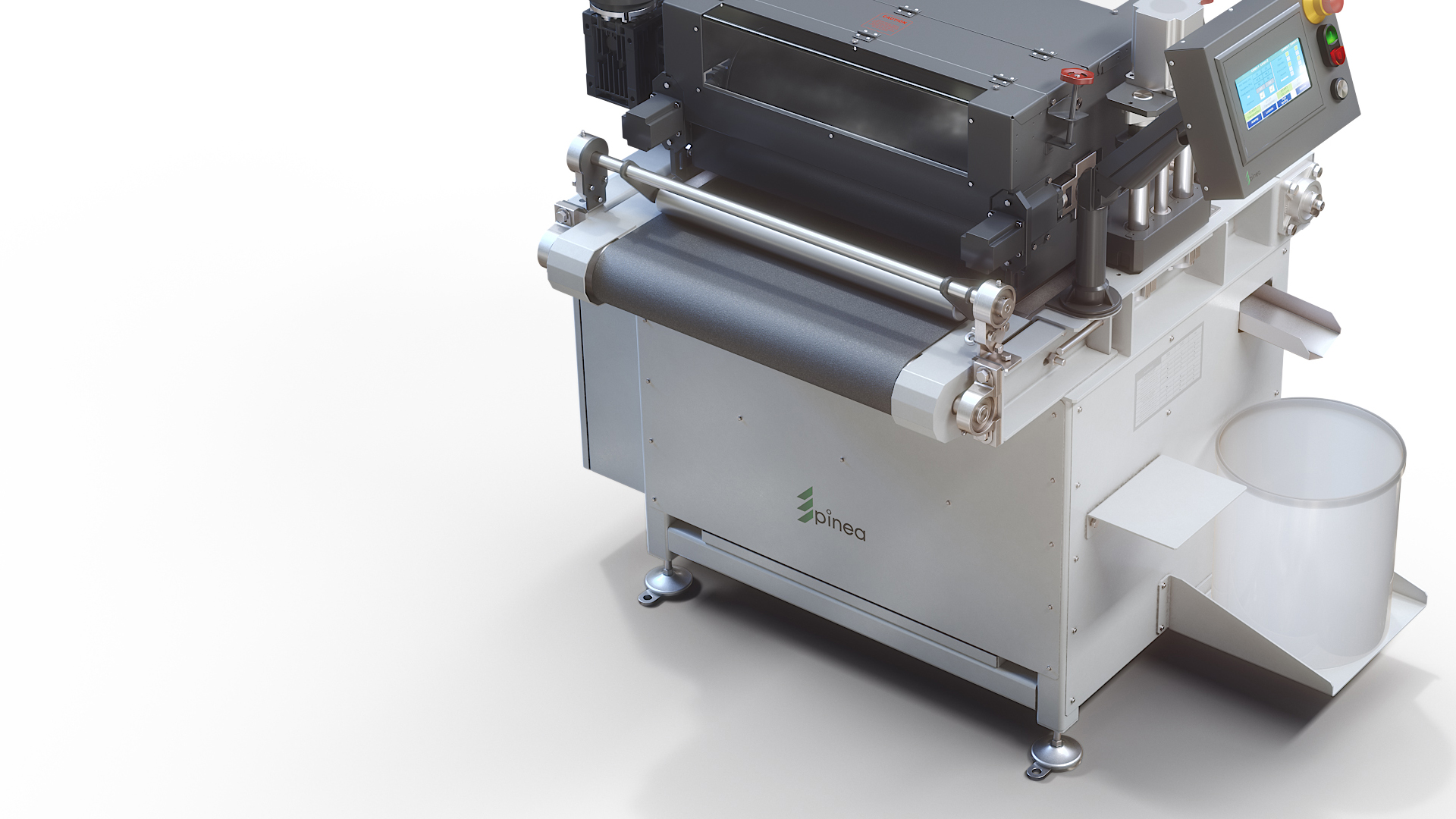
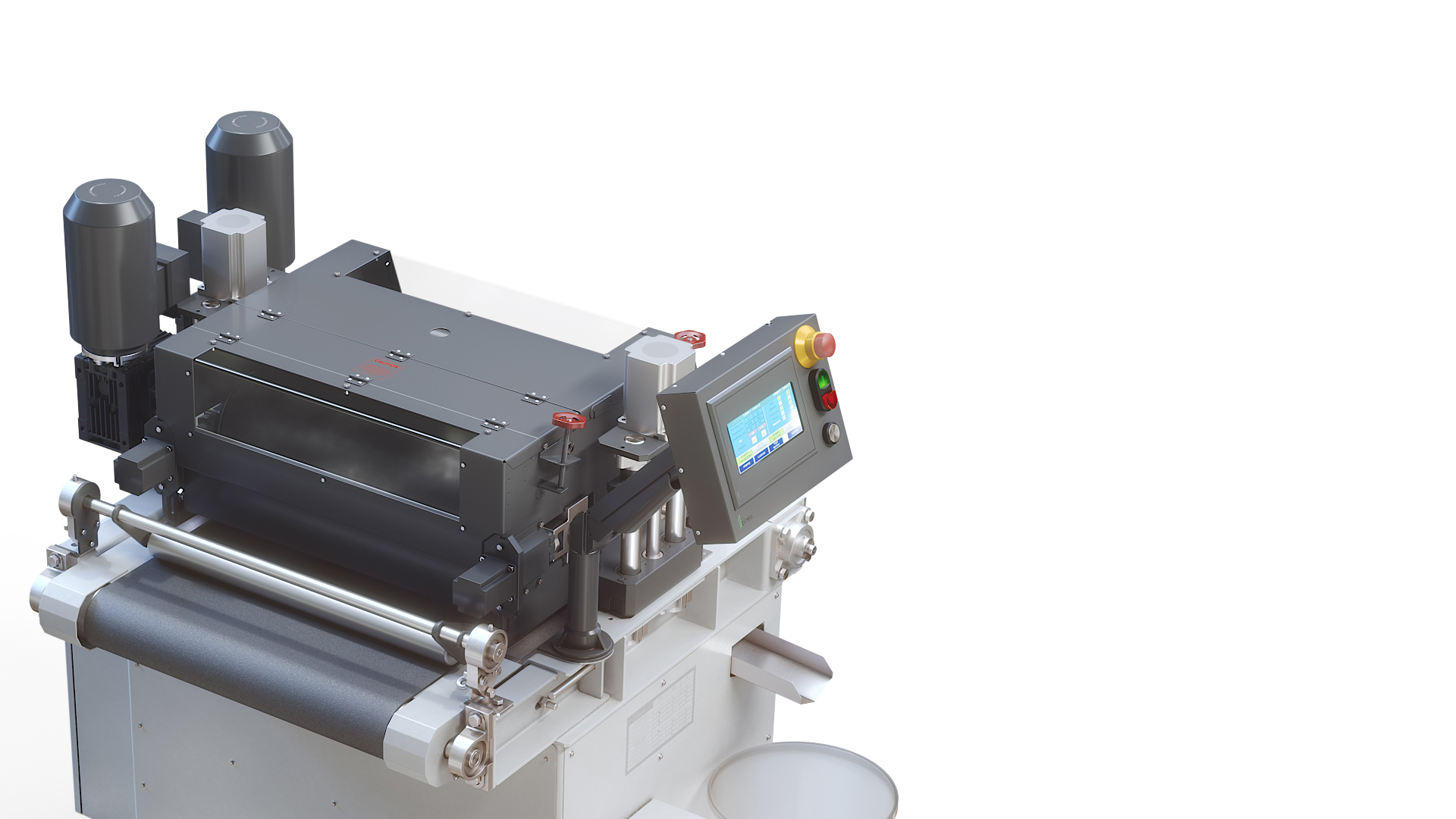
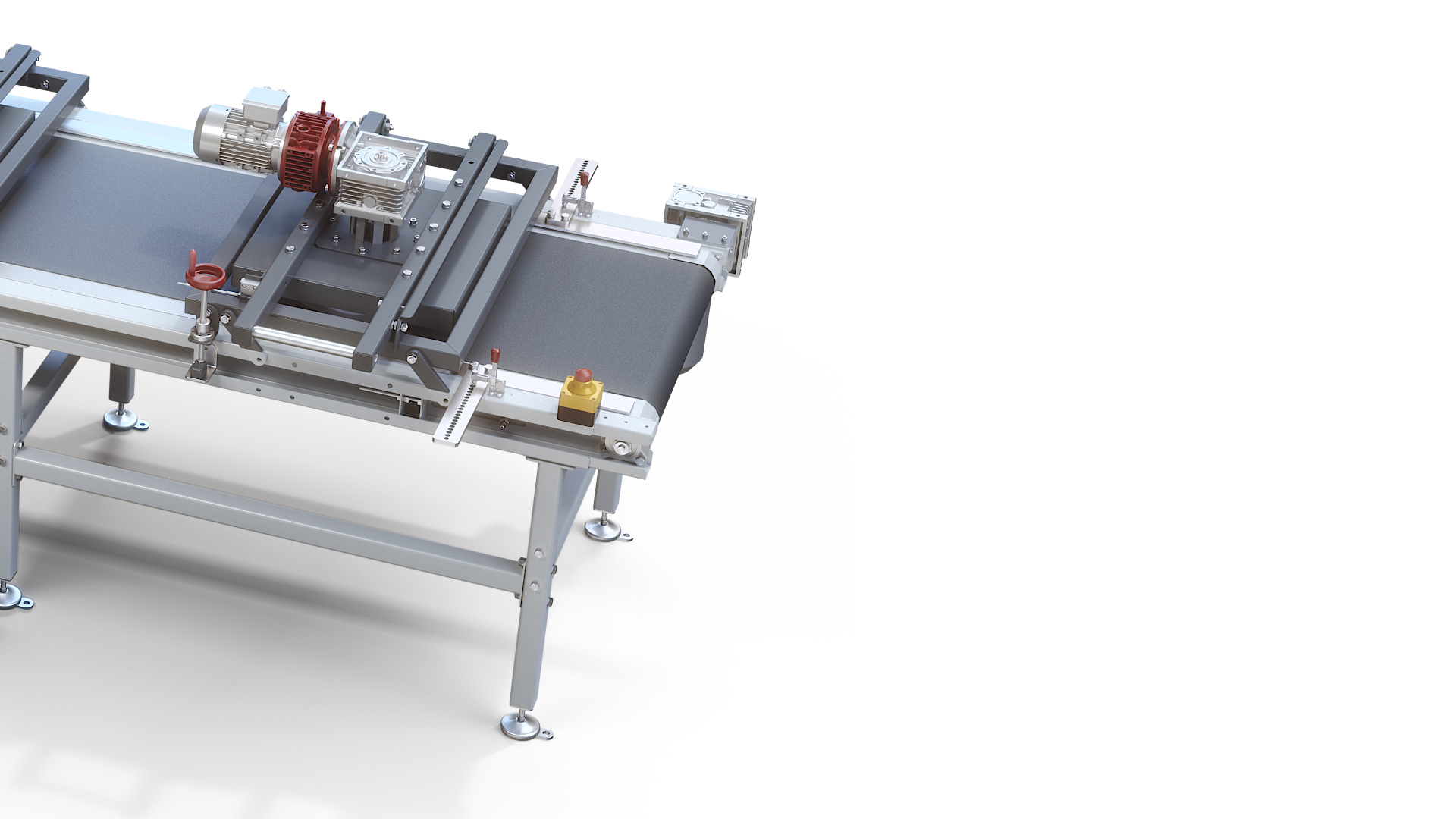
3D Visualization Project for PINEA Industrial Machines
The goal of the project was to faithfully represent the construction, functionality, and technological quality of the equipment offered by the PINEA brand.
Scope of the 3D Visualization Project
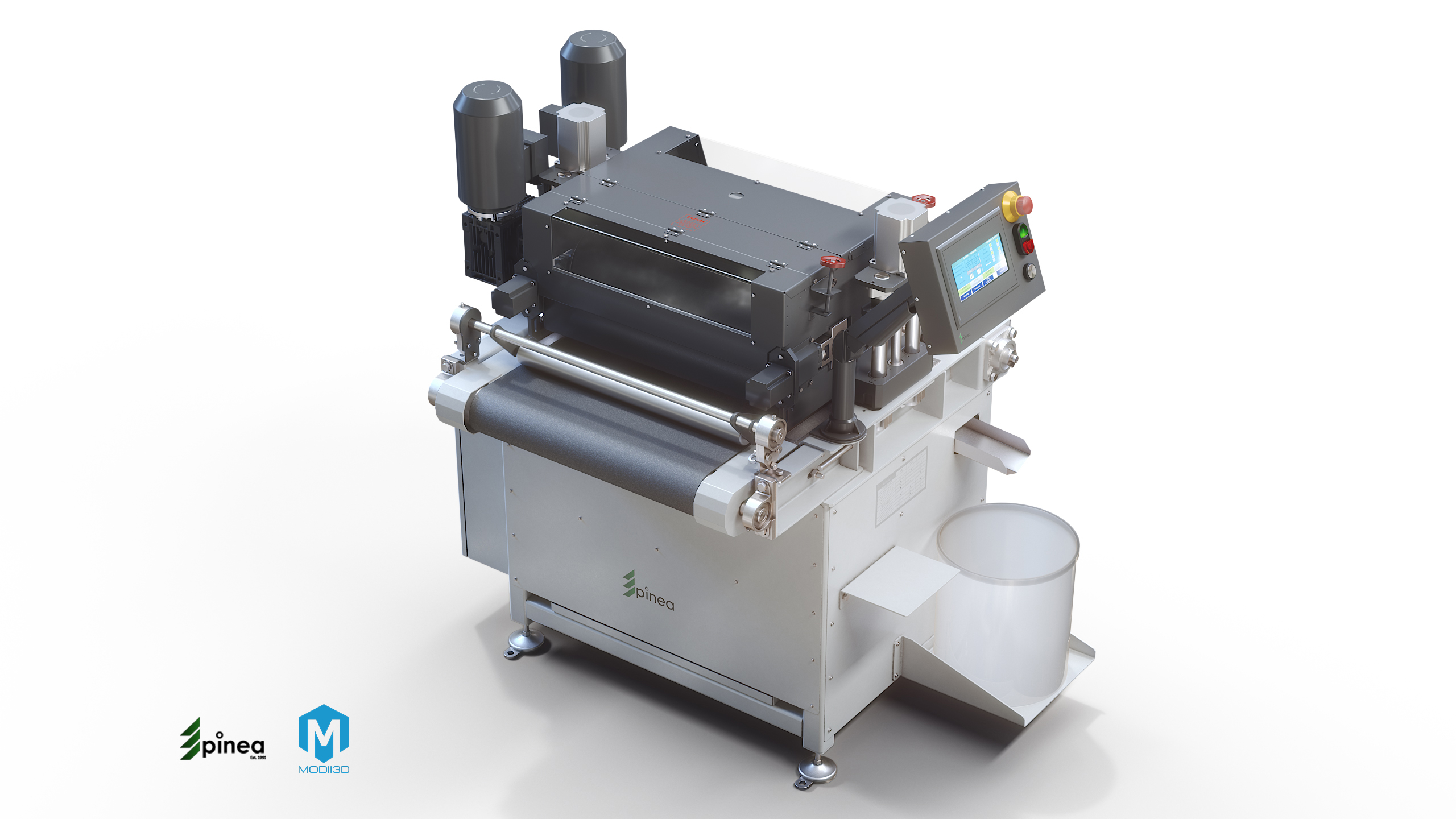
- · 3D visualization of the roller loader PINEA NO 500
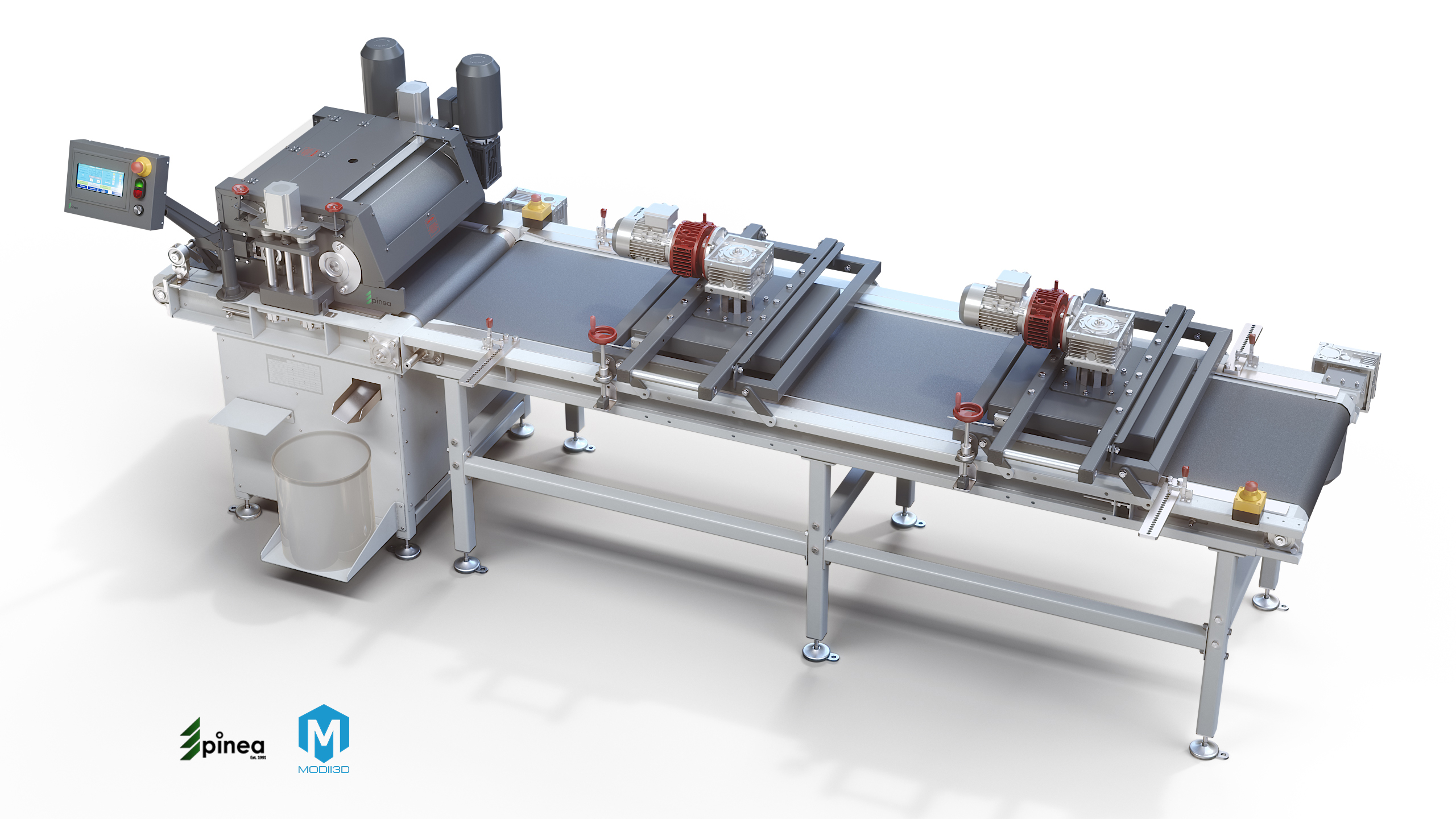
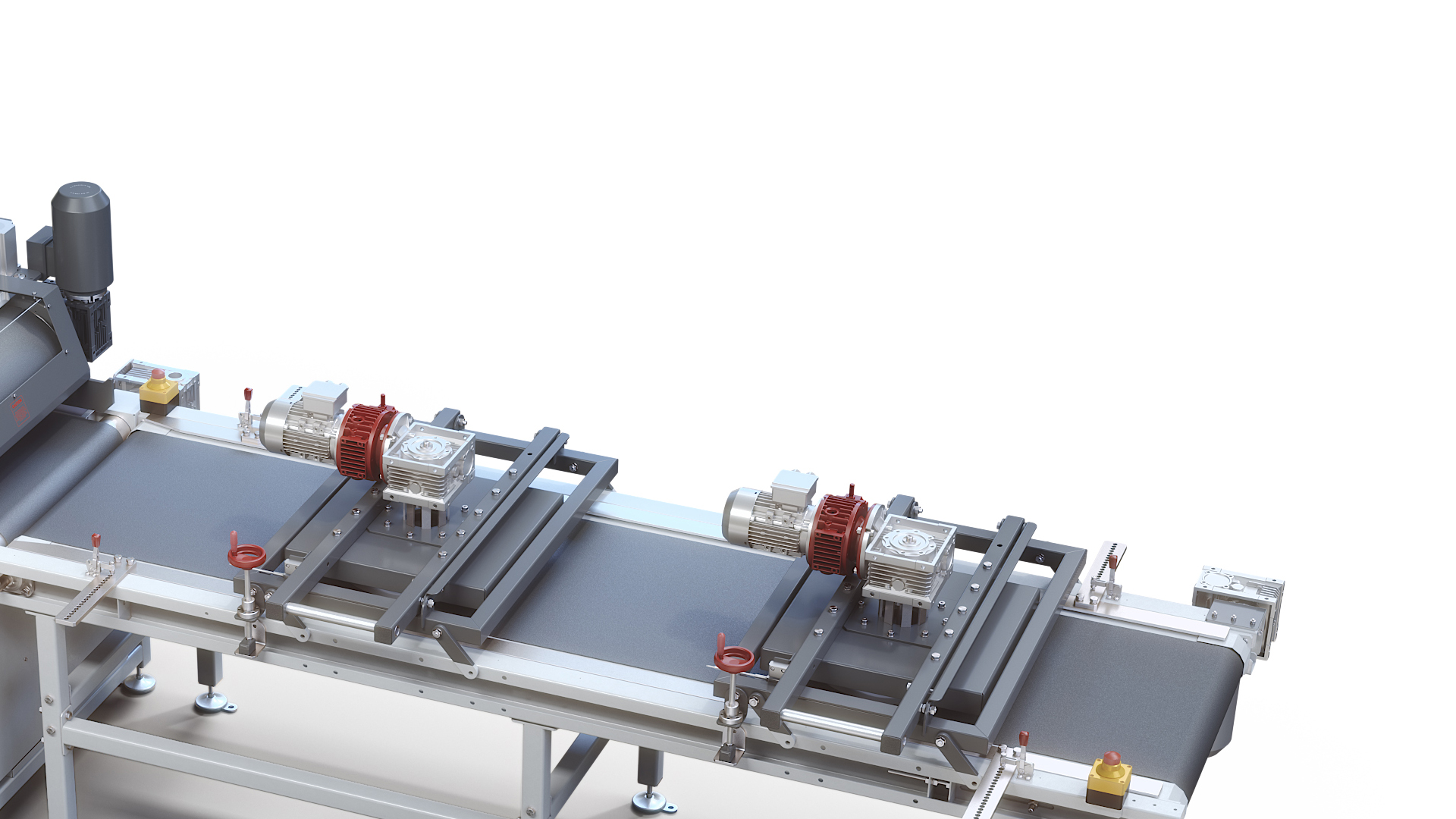
- · 3D visualization of the oiling line with pads and brushes
- · Accurate representation of machine construction and components
- · 3D models adapted for marketing and sales purposes
The 3D models were developed with great attention to technical details, proportions, and key working components of the machines.
Why PINEA Commissioned 3D Visualizations of Their Projects?
The realistic design and clear structure of the models support technical communication and help clients quickly understand how the machines operate.
FAQ – 3D Visualizations of Machines for the Woodworking Industry
Which PINEA machines were represented in these 3D visualizations?
The project covered two machines: the PINEA NO 500 roller loader and the oiling line with pads and brushes — both used in wood surface finishing processes. The 3D models represent the construction, proportions, and key working components of each machine.
Can a 3D visualization of a machine be created before the physical device is manufactured?
Yes. Visualizations can be created based on technical documentation, CAD drawings, or conceptual models, allowing a manufacturer to promote a machine at the pre-production stage — before the first unit ever leaves the line.
What does PINEA use these 3D visualizations for?
The materials were used on the company’s website, in sales materials, and in business presentations used in conversations with clients from the woodworking industry. The clear 3D format helps explain how the roller loader and oiling line work faster than photos or text descriptions.
Are 3D visualizations only commissioned for marketing purposes?
Not always. Some of our clients come to us because preparing visual documentation of a device is a formal requirement set by their own client — for example, as part of an order specification or equipment acceptance documentation. In these cases, a 3D visualization serves not only a promotional function but a contractual one — without it, the order wouldn’t be considered complete.
Why does a woodworking machine manufacturer choose 3D visualization over a traditional photo shoot?
A photo shoot requires a fully assembled, physical machine in a well-lit setting — and industrial units are rarely displayed that way on a production floor. 3D visualization removes that constraint, letting the machine be shown from any angle in a style consistent with the rest of the brand’s marketing materials.
How much does a 3D visualization of an industrial machine like a roller loader cost?
The price depends on the complexity of the construction, the number of devices shown, and the number of shots or finish variants. We publish a detailed price list and calculation examples in the article How Much Does 3D Visualization and Animation Cost?
What files are needed to order a 3D visualization of a woodworking machine?
The best starting point is CAD/STEP documentation from the manufacturer. Without such documentation, a model can also be built from technical drawings and reference photos.
3D Visualizations of Machines – Support for the Woodworking Industry
If you want to learn more about the process of creating 3D materials, check out these articles:
· What Are .STEP Files and How Do We Use Design Data in 3D Animations?
· Technical and Instructional 3D Animations
· 3D Animations in Advertising
Contact us to learn more!