


Project 3D Animations
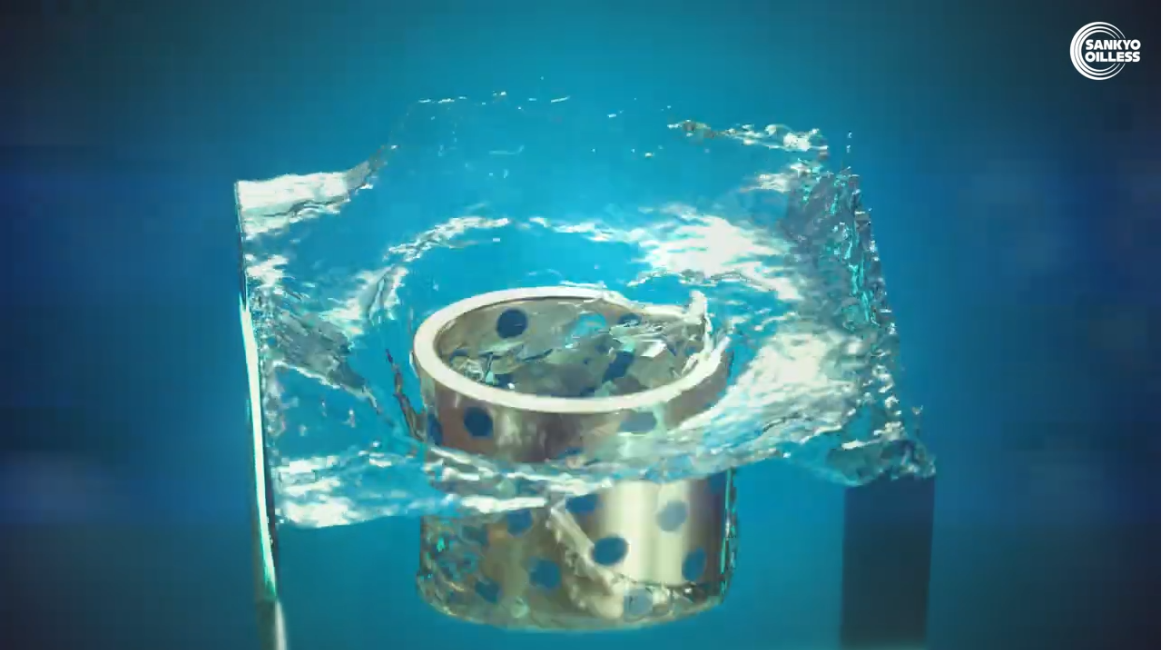
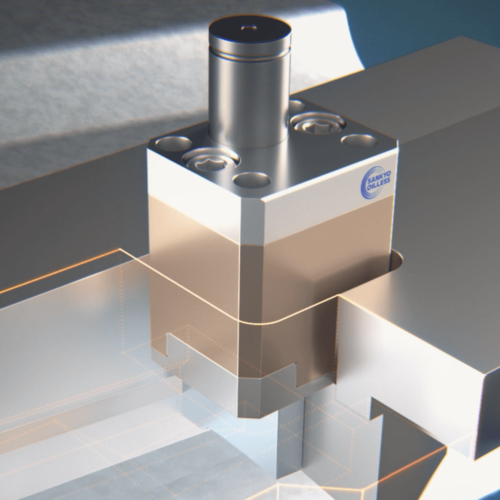
3D Animation of Oilless Sliding Elements for Sankyo Oilless Industry
A product that looks unremarkable at first glance, yet works underwater and at high temperatures — where no camera can follow.
Quick answer: for SANKYO OILLESS Industry GmbH we produced a 3D animation along with a series of visualizations showing how oilless sliding elements work – both the self-lubricating mechanism itself and the components operating in water and at high temperatures. The materials are used at trade fairs, in B2B meetings, in marketing and in sales presentations. The project took around 8 weeks.
How do you showcase a product that looks unremarkable but does an enormous job?
Oilless sliding elements are small, simple-looking components. At first glance – and even at second – there is no way to guess what work they do or how demanding the conditions are. That was the client’s core communication problem: a product of enormous technical importance makes no impression until you see it in action.
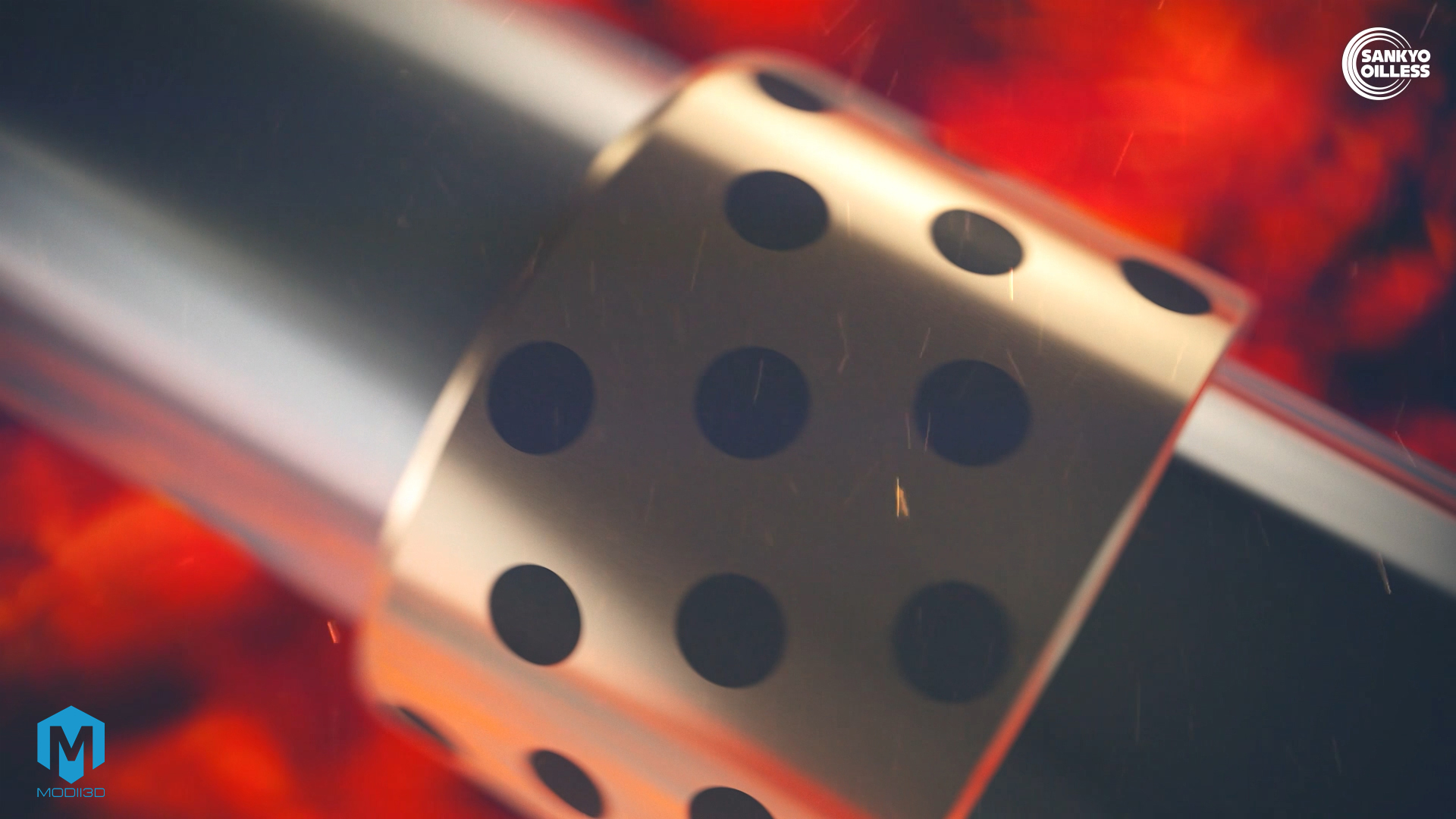
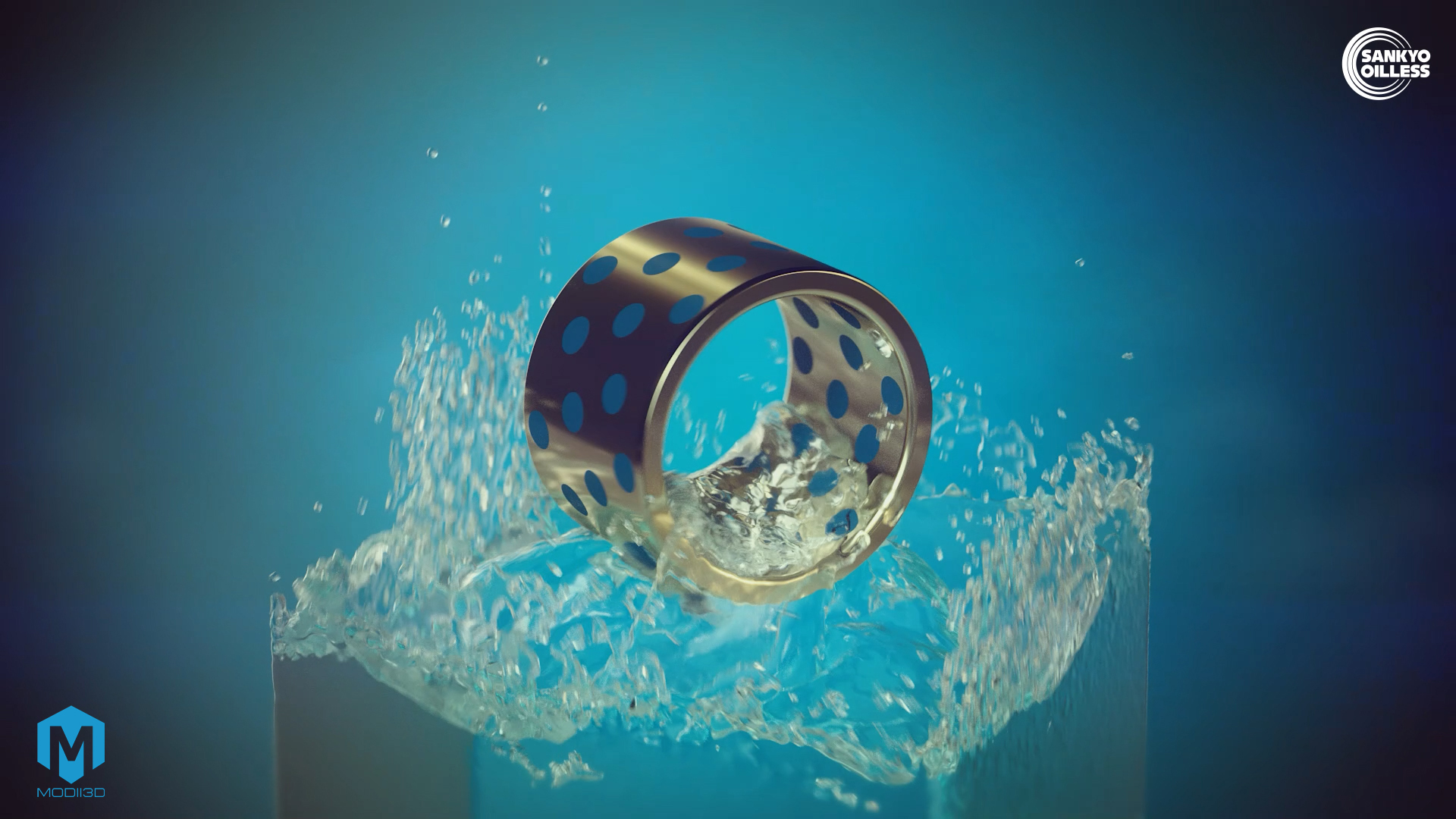
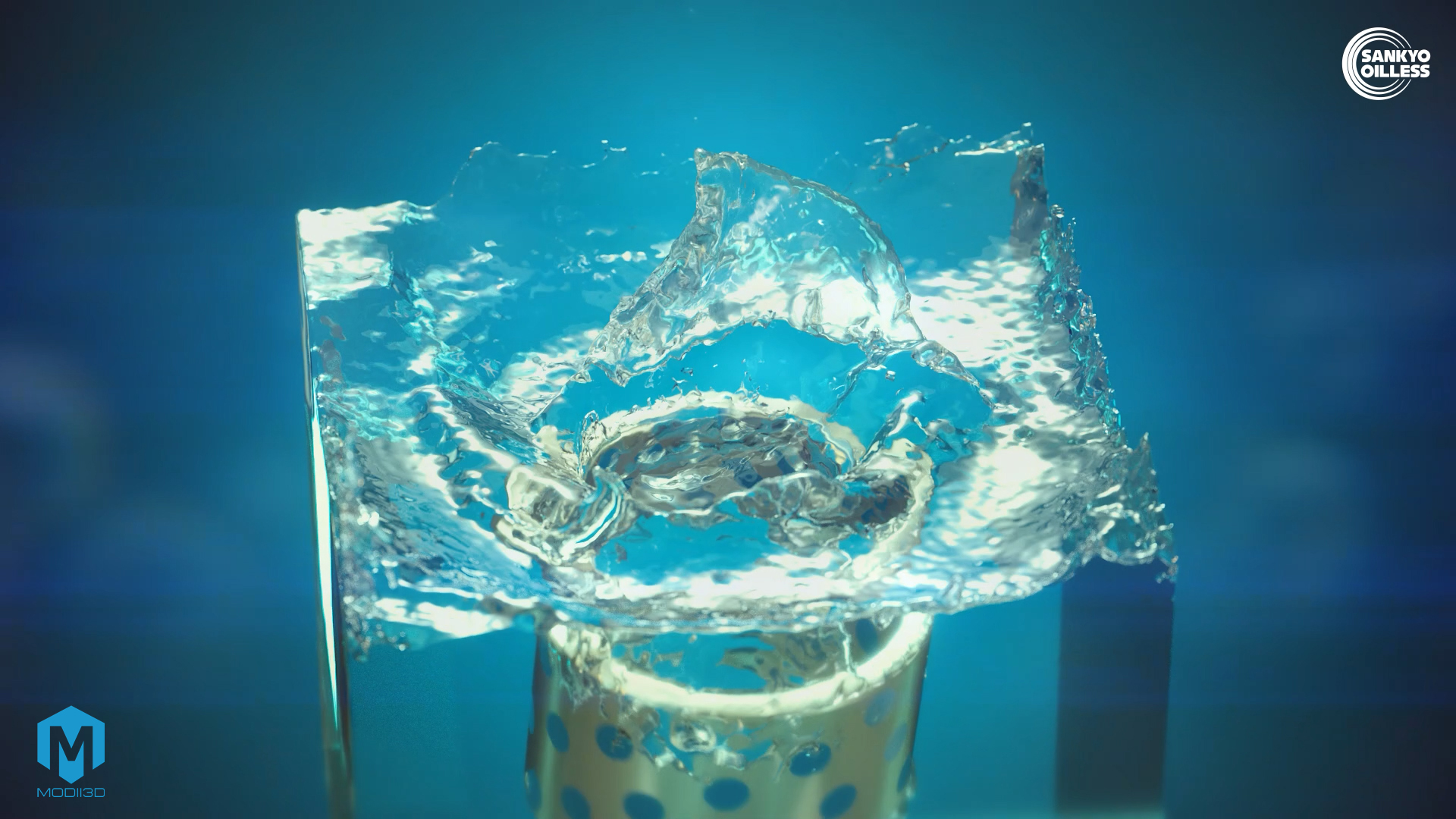
On top of that came a second barrier. These elements work where no camera can go: submerged in water and at high temperatures. The self-lubricating mechanism itself takes place on the contact surface between two elements – it is physically invisible even under ideal viewing conditions.
How was the 3D animation of the sliding elements made?
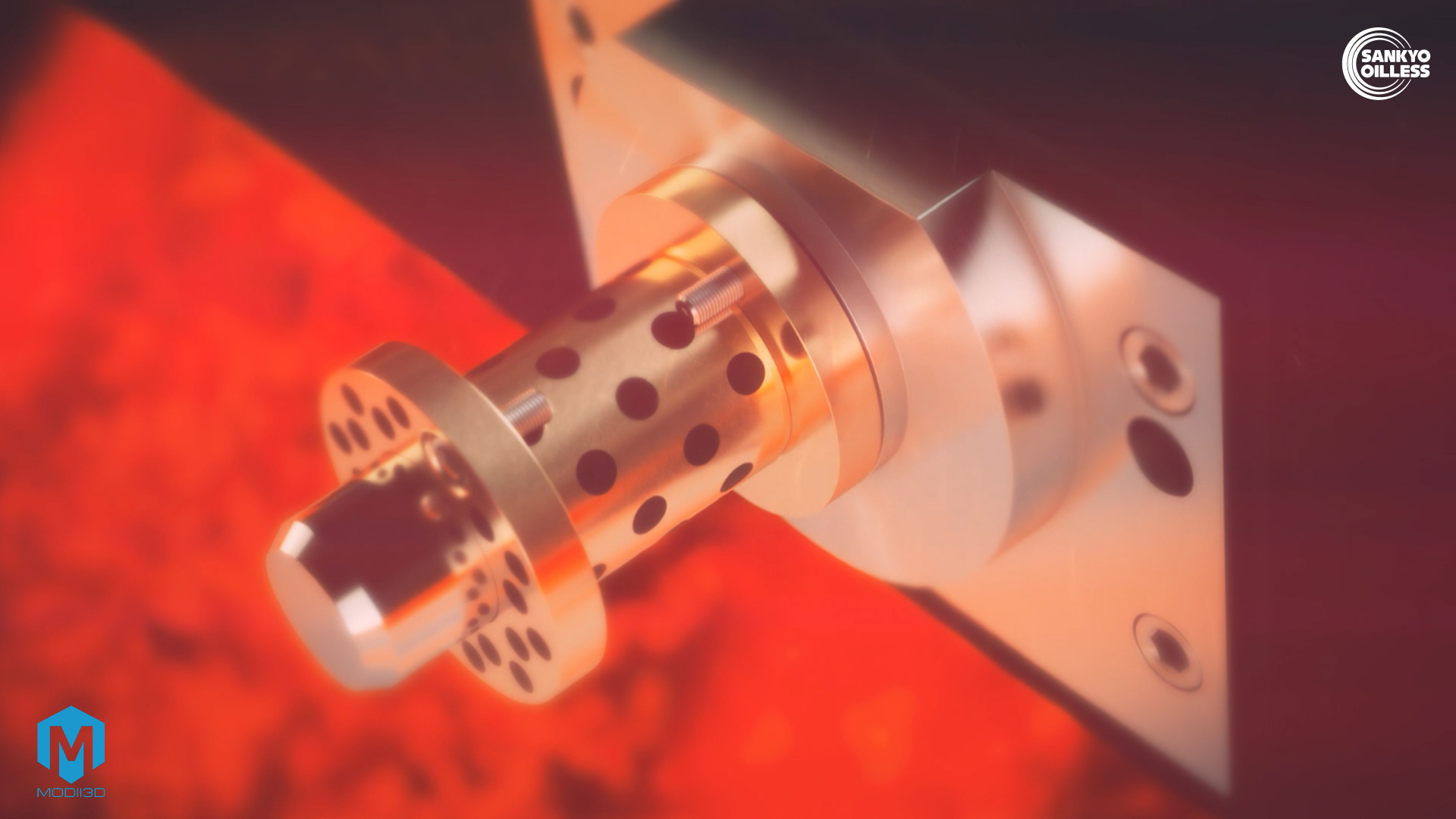
We built the project on two data sources: STEP files supplied by the client, and elements we modelled from scratch – wherever the documentation did not cover the product’s surroundings and working environment.
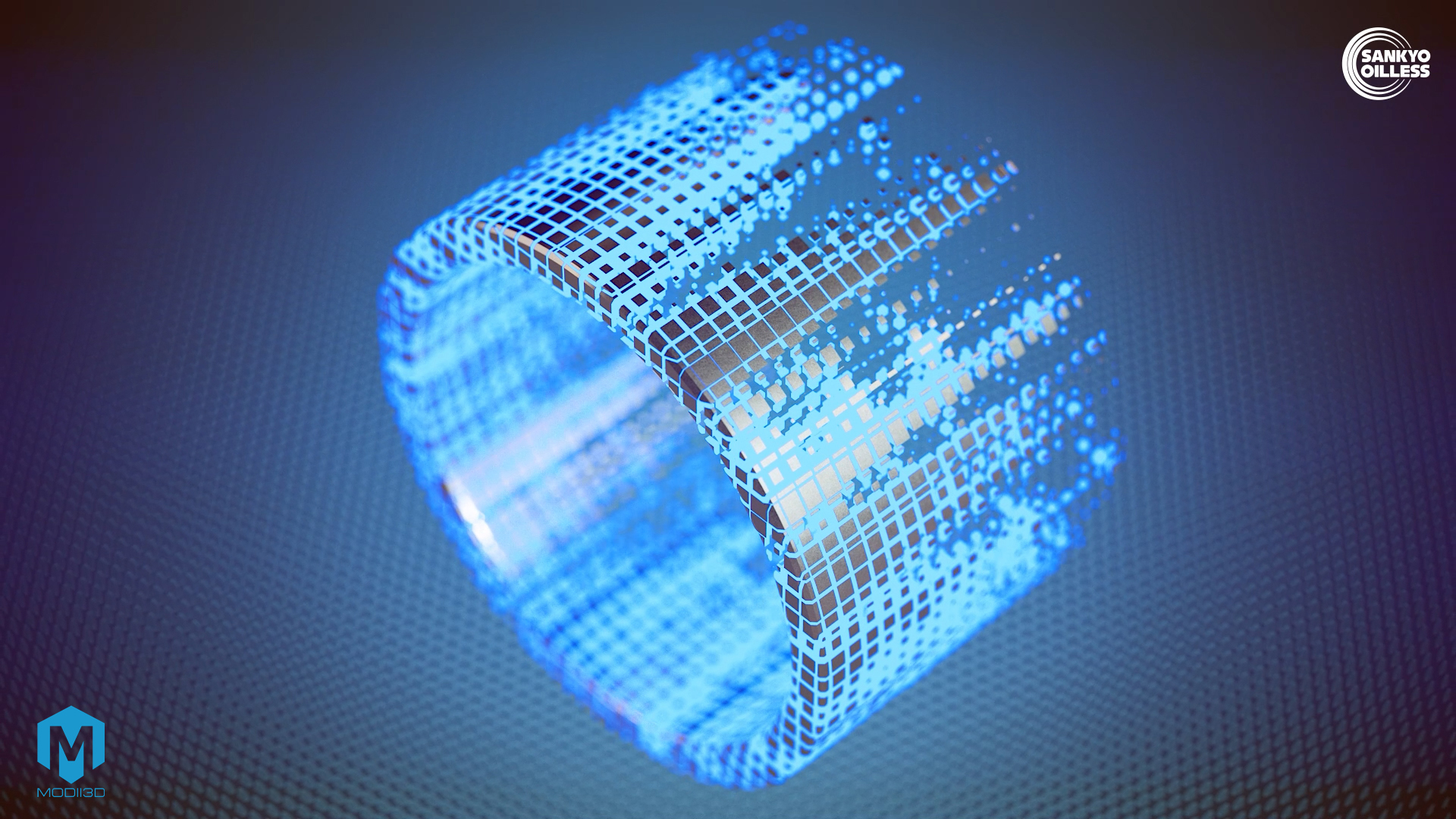
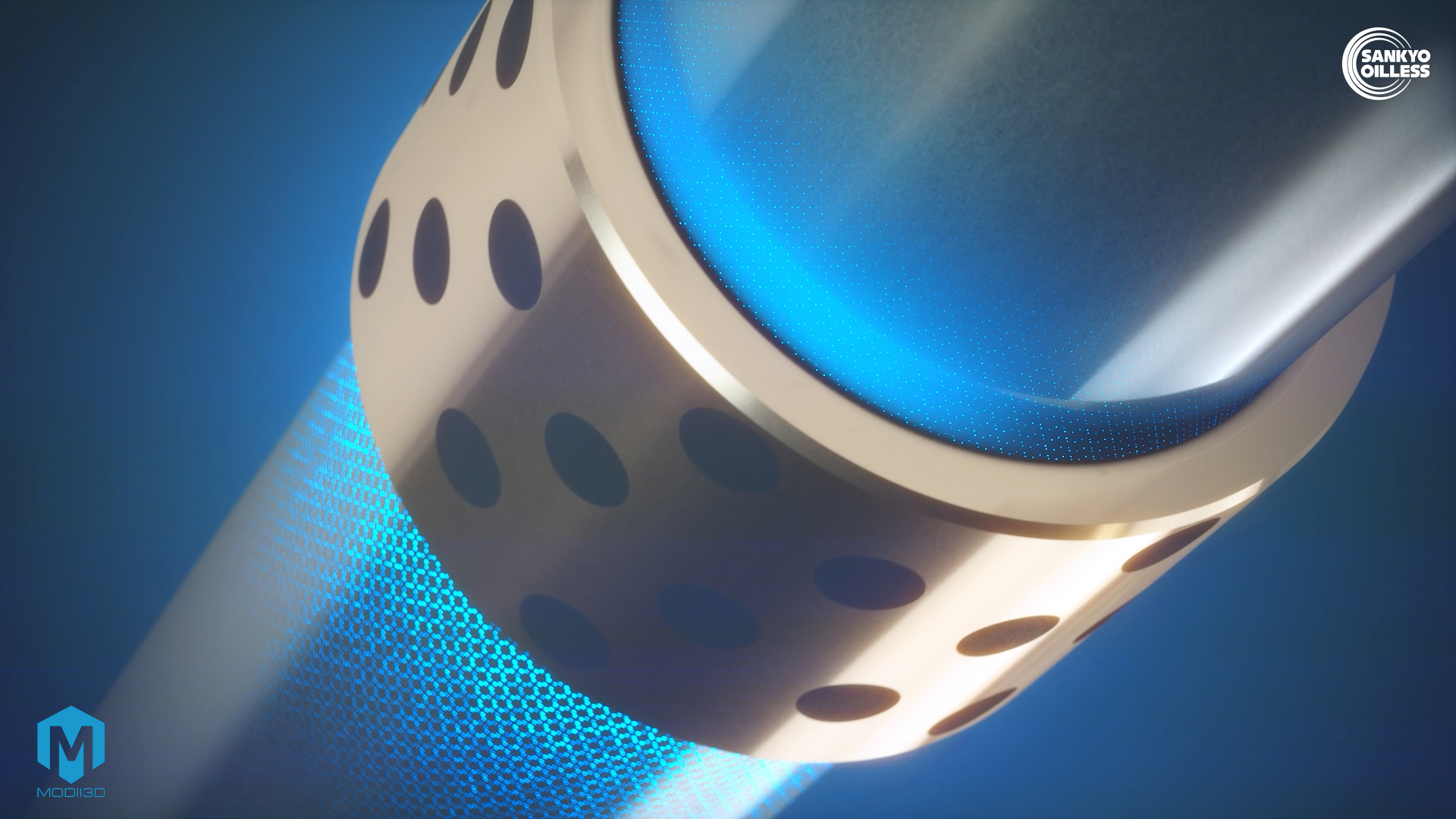
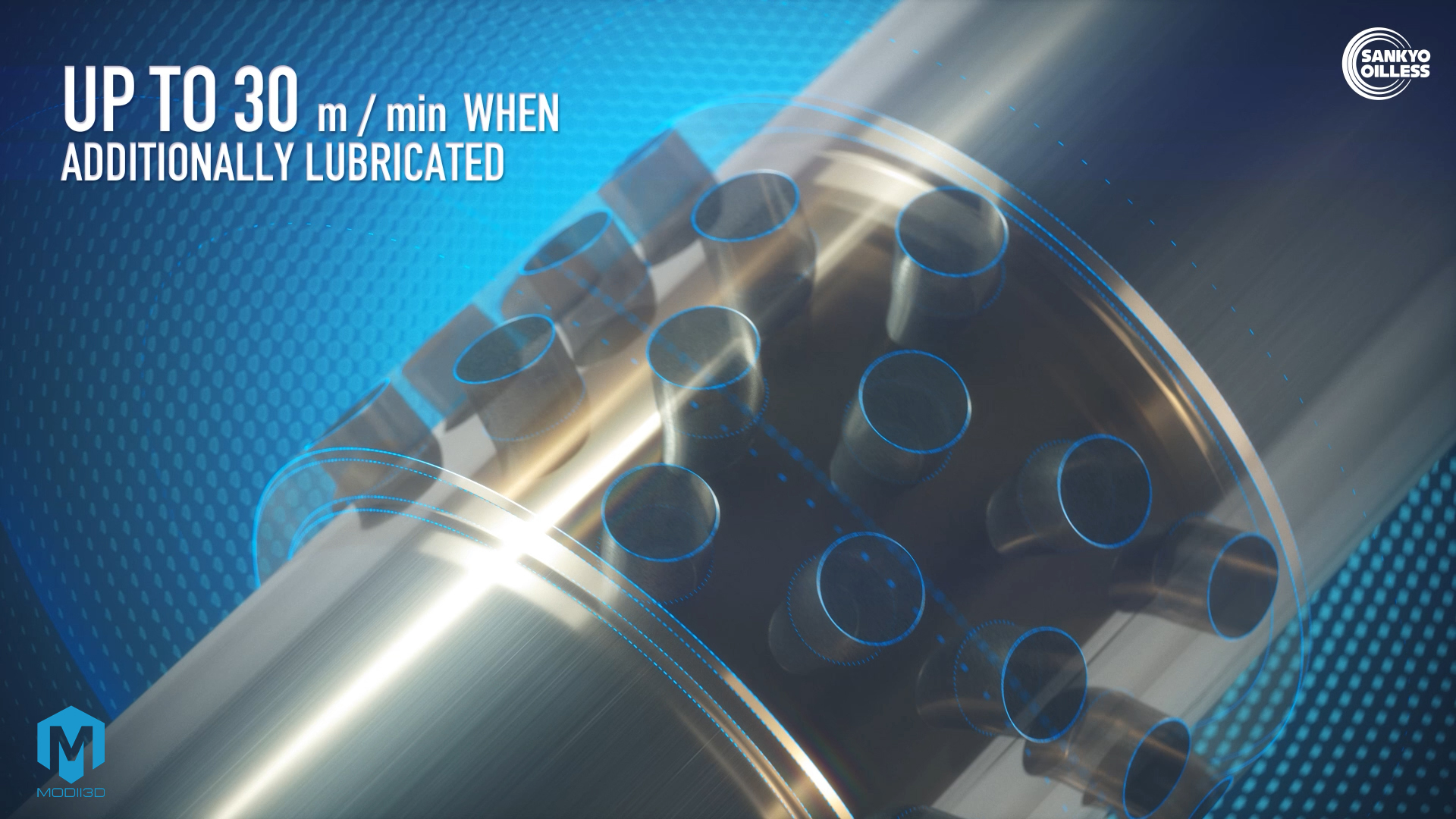
The animation reveals two layers that are inaccessible to an observer in reality:
- The working mechanism – how the solid lubricant is released from the surface of the component and forms a lubricating film, delivering self-lubrication without any oil.
- The working environment – the component under real application conditions: submerged in water and operating at high temperature.
The whole piece was developed in a visually engaging form – a direct request from the client, stemming precisely from how unremarkable the product looks. You can read more about preparing for a project like this in our guide to 3D animation for businesses.

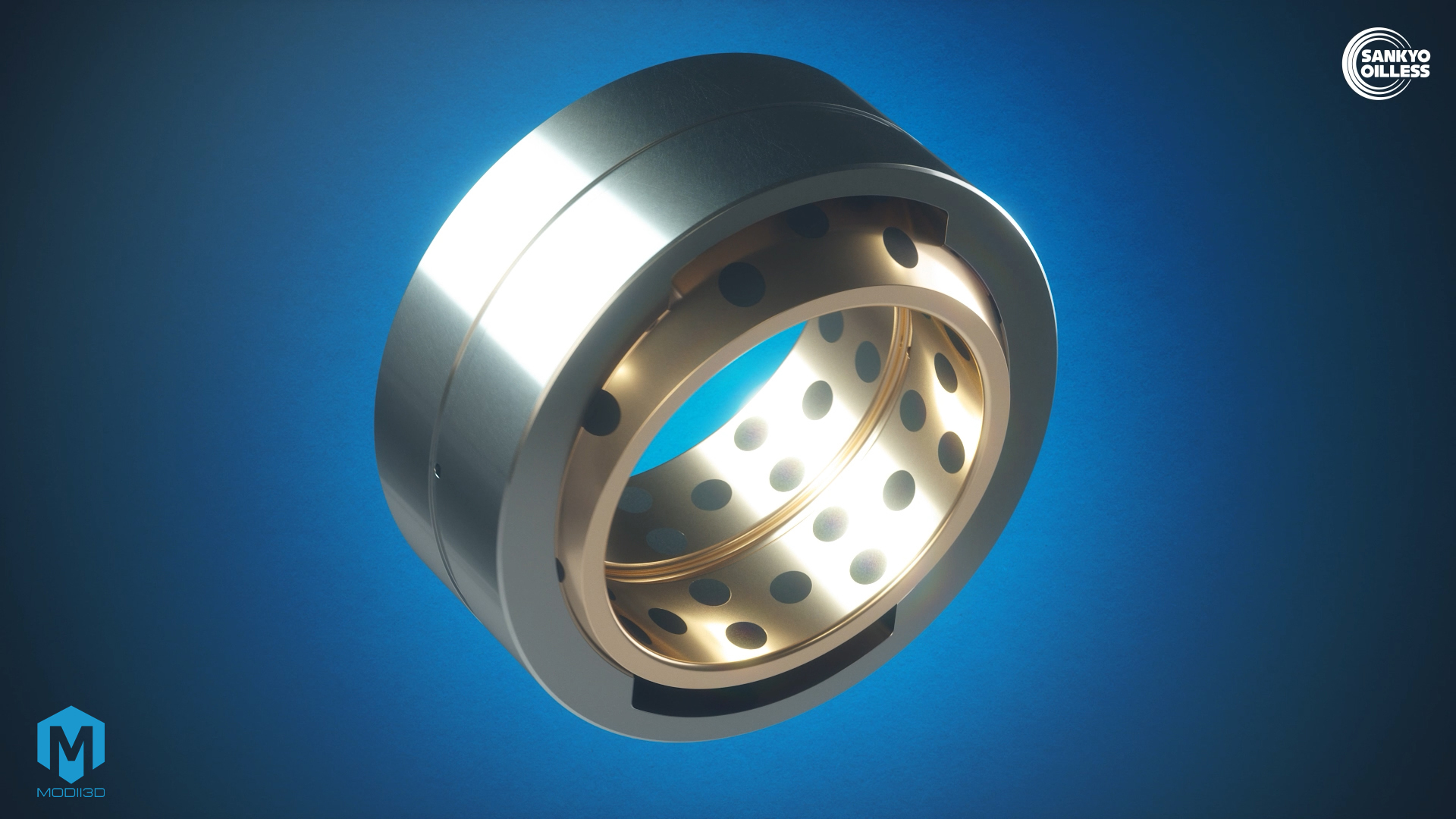
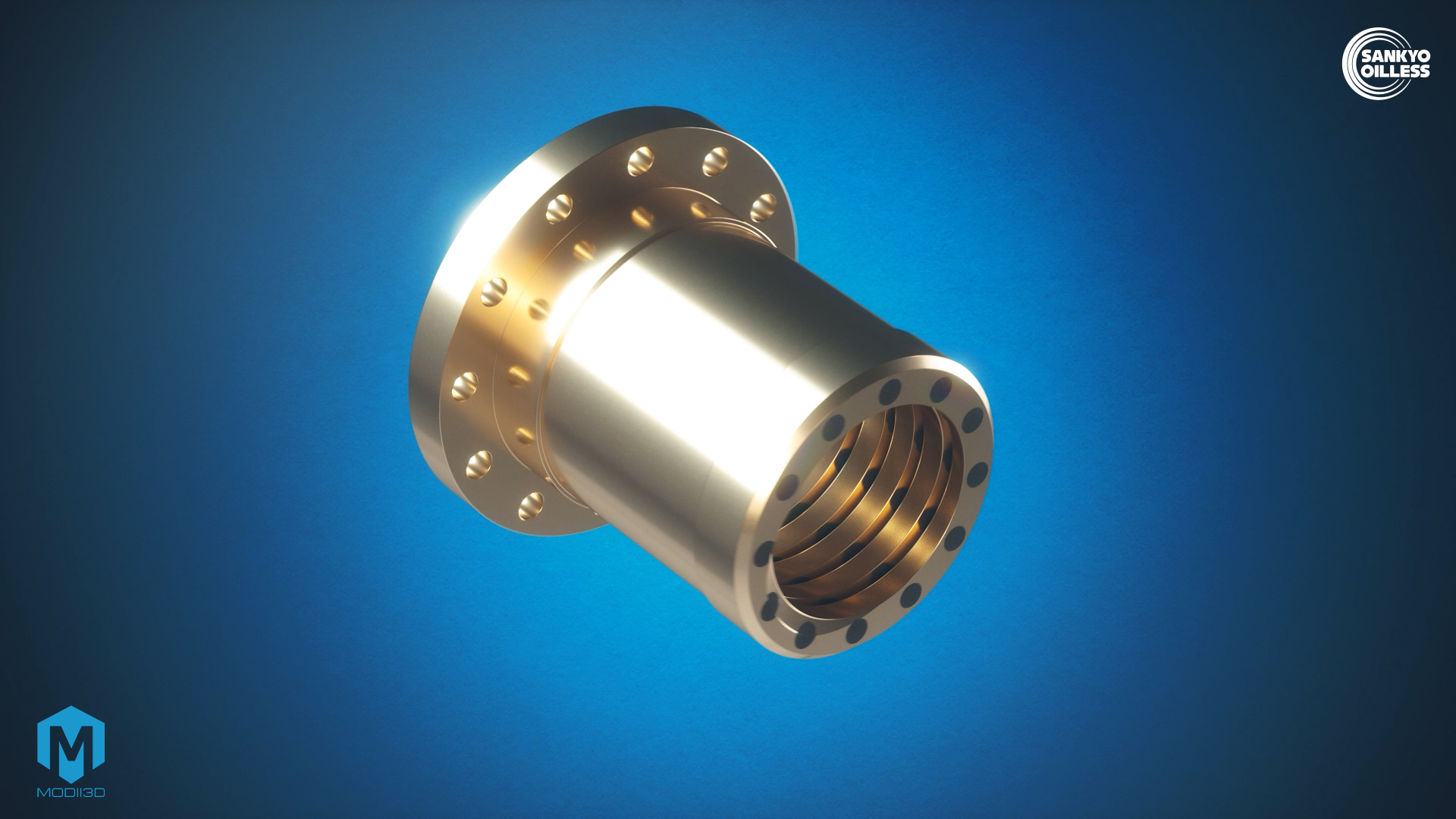
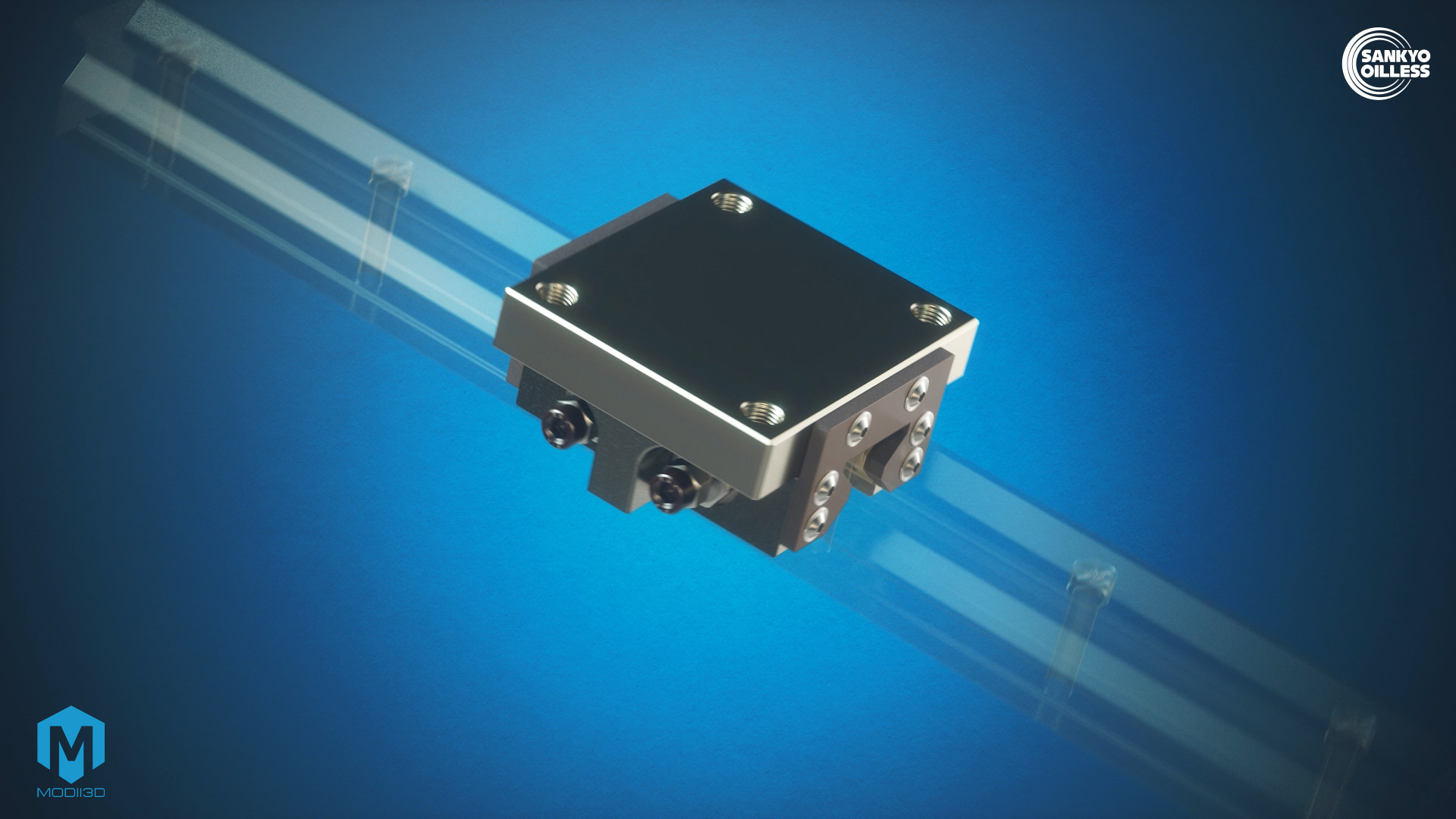
What did the 3D animation achieve for Sankyo Oilless?
- Showing an invisible mechanism: the self-lubrication process, which no camera can capture, became clear and easy to grasp even for a non-technical audience.
- Presenting inaccessible conditions: the component at work underwater and at high temperature – environments no film crew could ever enter.
- Raising the profile of an unremarkable product: the material reveals the scale and complexity of the work that nobody would expect just from looking at the component.
- Use across every channel: trade fairs, high-profile B2B meetings, marketing activity and sales presentations.
We create similar materials for manufacturers across many sectors – take a look at our 3D animation and visualization offer for industry. You can find out more about the oilless technology itself on the Sankyo Oilless website.
Frequently Asked Questions (FAQ)
What are oilless sliding elements?
They are components with embedded solid lubricants that release a lubricating film onto the contact surface as they move. This means they run without any oil lubrication, need no maintenance and do not contaminate their surroundings – which matters enormously in water and high-temperature applications.
Why did showing this product call for a 3D animation?
For two reasons. The self-lubrication mechanism takes place on the contact surface between elements, so it is physically invisible. On top of that, the components operate submerged in water or at high temperature – conditions where filming is simply not possible. A 3D animation lets us show both aspects from any angle and in any cross-section.
What data was the animation based on?
We used STEP files supplied by the client and modelled from scratch those elements the documentation did not cover – above all the product’s surroundings and working environment. You can read more about preparing documentation in our guide to STEP files.
How long did the project take?
Around 8 weeks – a standard timeframe for a 3D animation of this complexity, covering modelling, CAD data adaptation, animation and post-production.
How much does a 3D animation of an industrial product cost?
The cost depends on how complex the geometry is, how many processes need showing, and whether the project covers animation alone or also a series of still visualizations. We publish detailed price ranges and worked examples in our article How Much Does 3D Visualization and Animation Cost?
What does Sankyo Oilless use these materials for?
The animation and visualizations are used at trade fairs, in high-profile B2B meetings, in marketing activity and in sales presentations – across every point of contact with technical and decision-making audiences.
If you would like to know more about how 3D materials are made, take a look at these articles:
· What are .STEP files and how do we use design data in 3D animations?
· Technical and instructional animations
· How much does 3D visualization and animation cost?
Contact us to find out more!