FAQ – 3D Animation of Photovoltaic Structures
What is the RACTA system, and what does this 3D animation show?
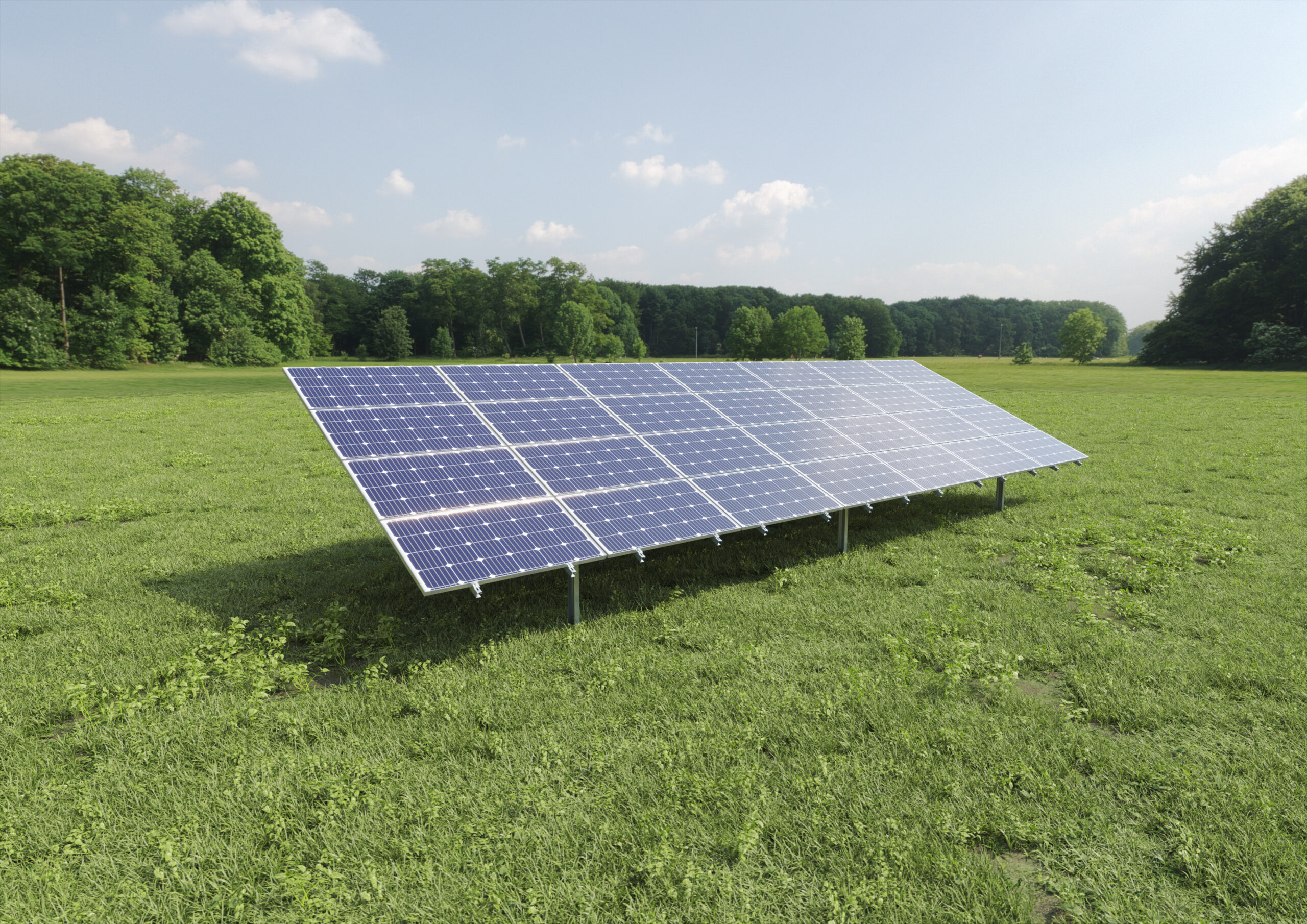
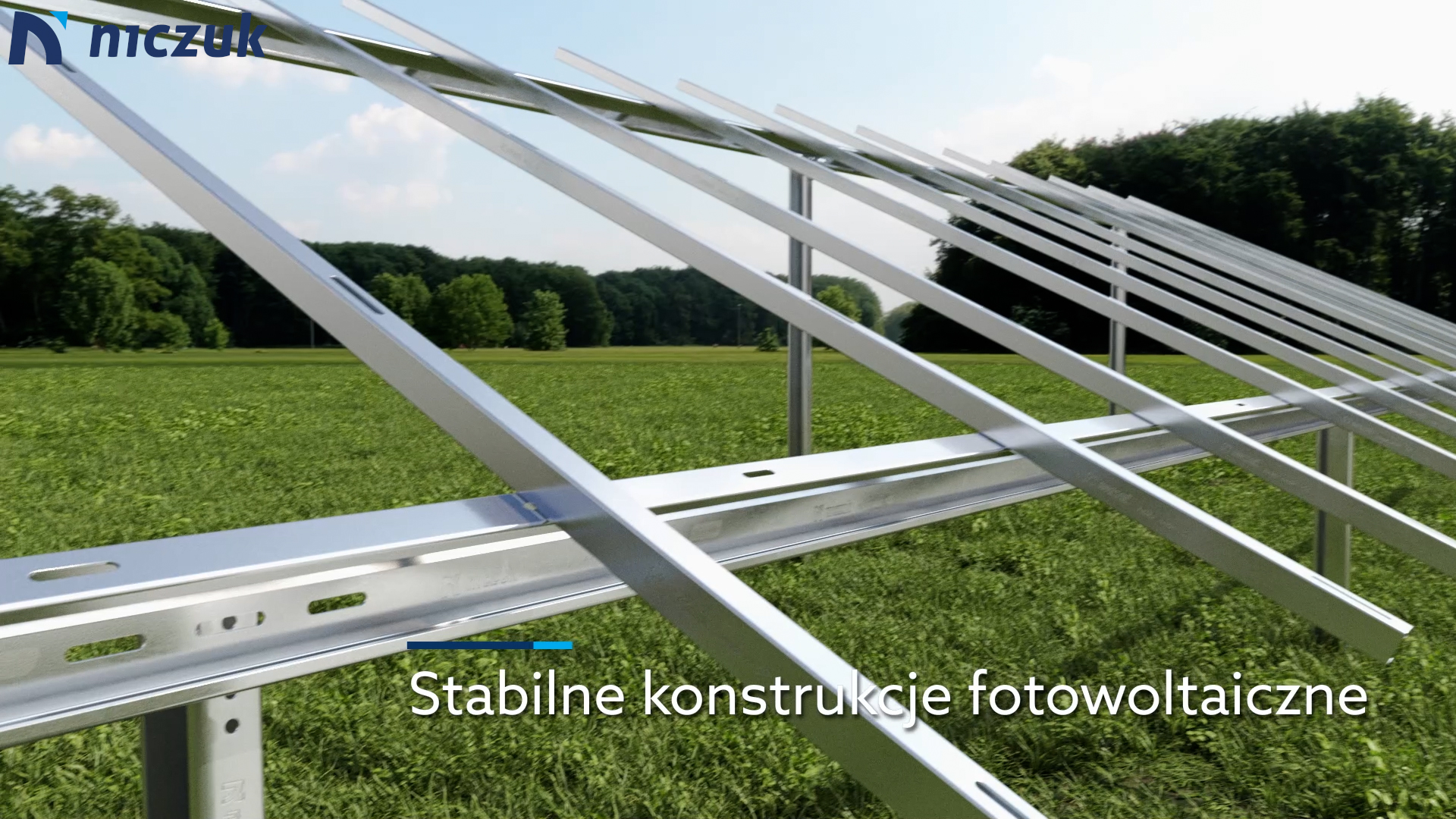
RACTA is a system of profiles and connector elements from THALE (formerly Niczuk) used to build mounting structures for photovoltaic panels. The 3D animation shows the construction, assembly, and operation of this system — used in both large-scale PV farms and smaller installations.
What technological advantages of the RACTA system does the animation show?
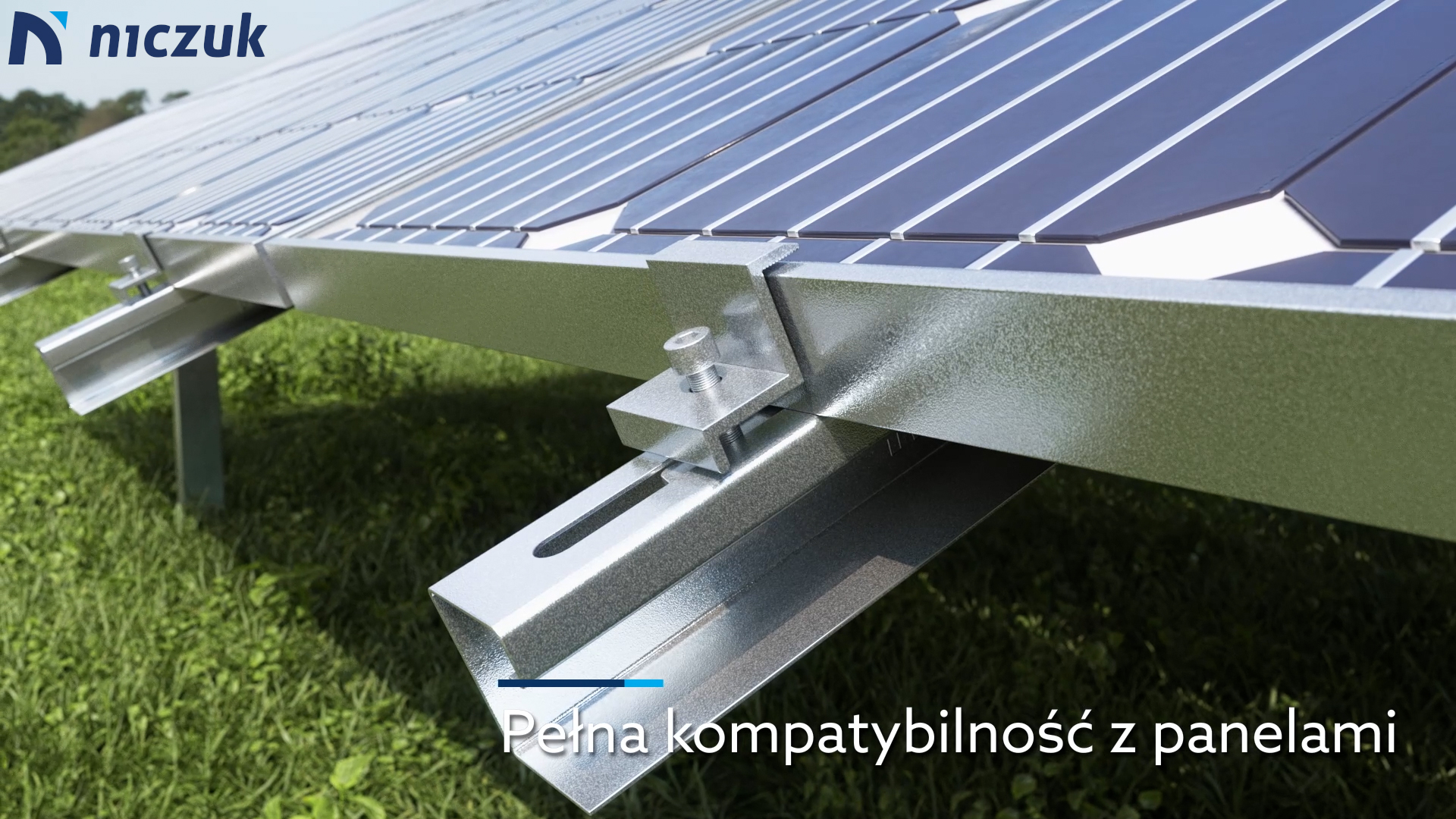
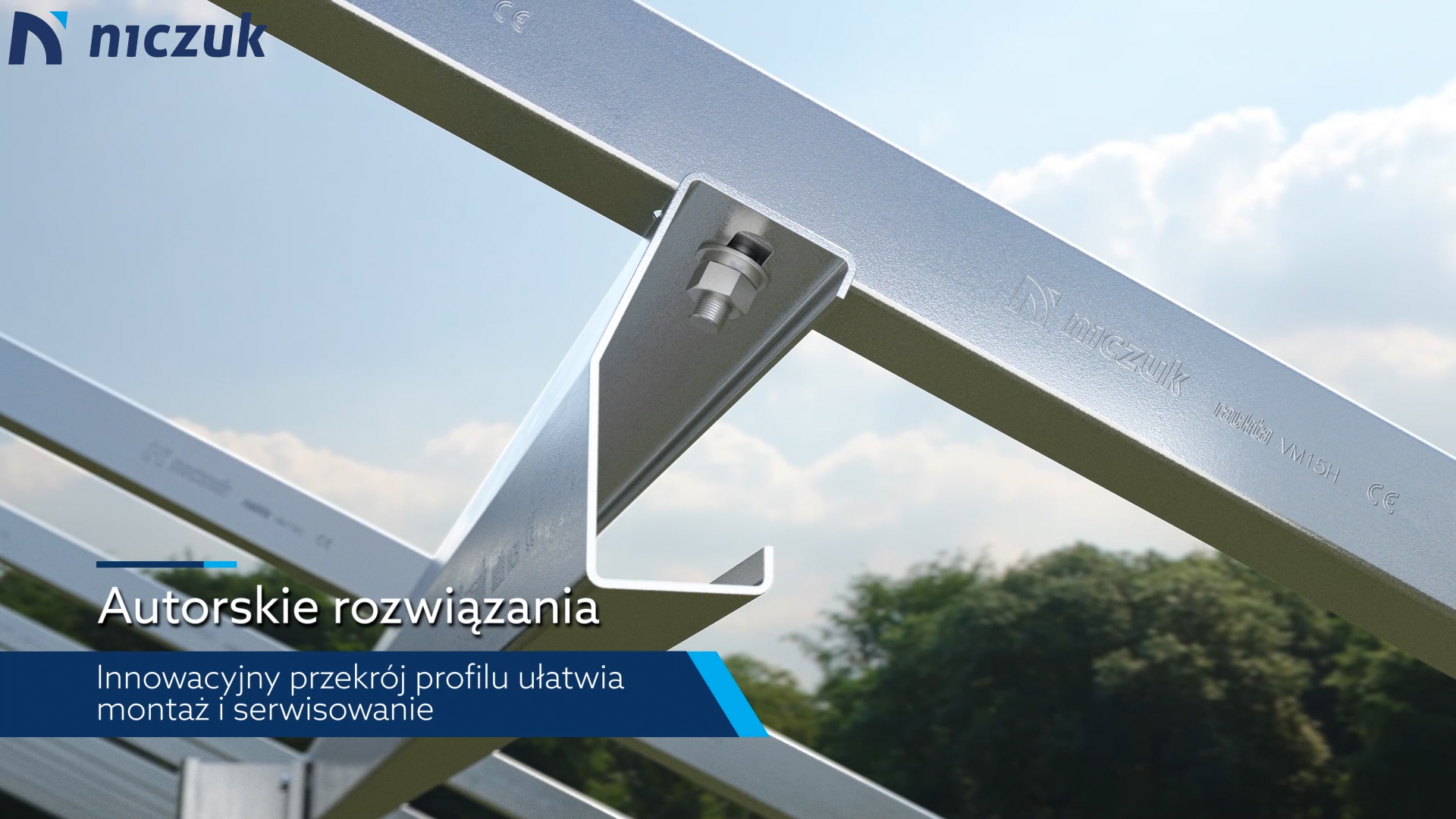
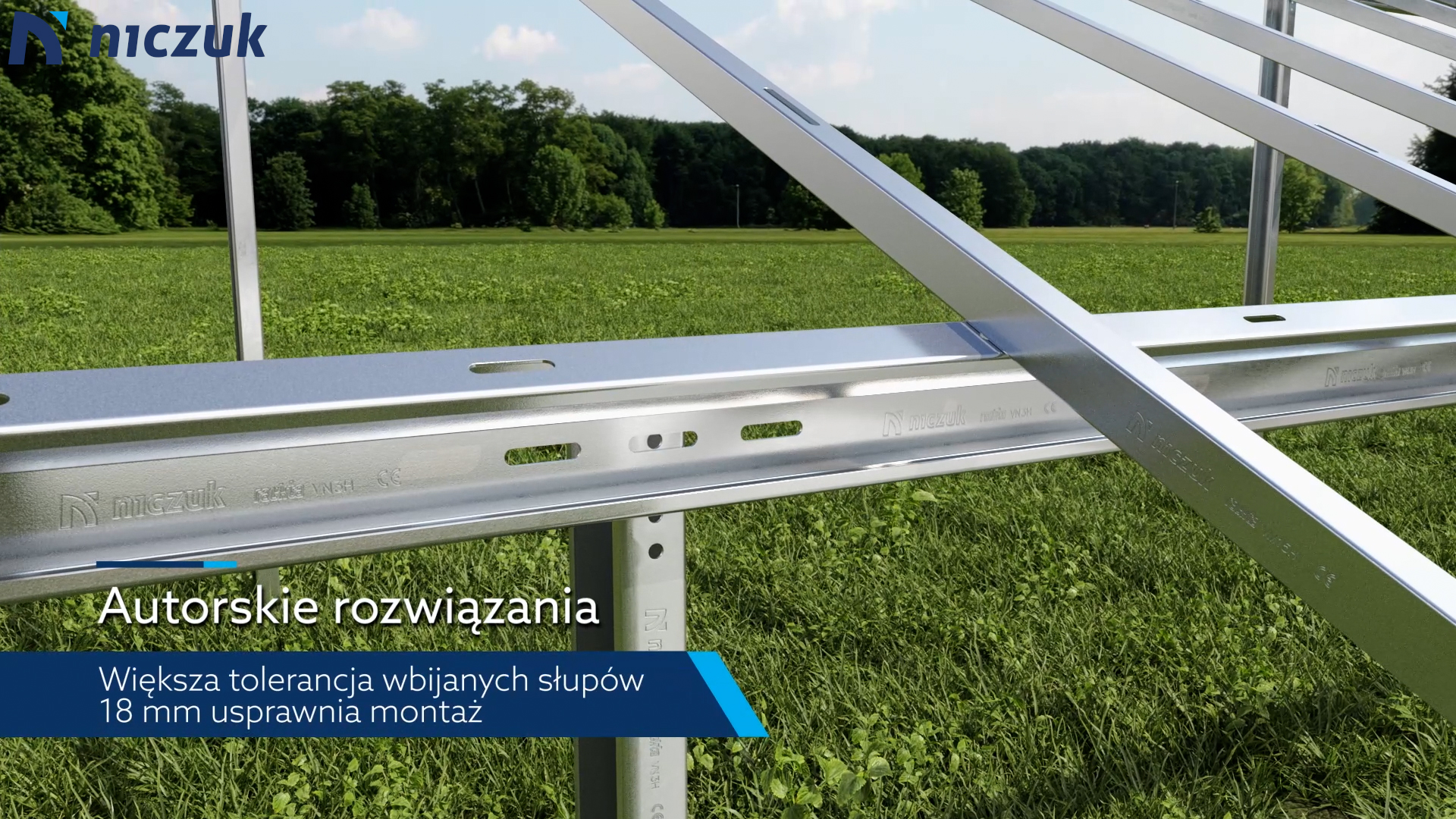
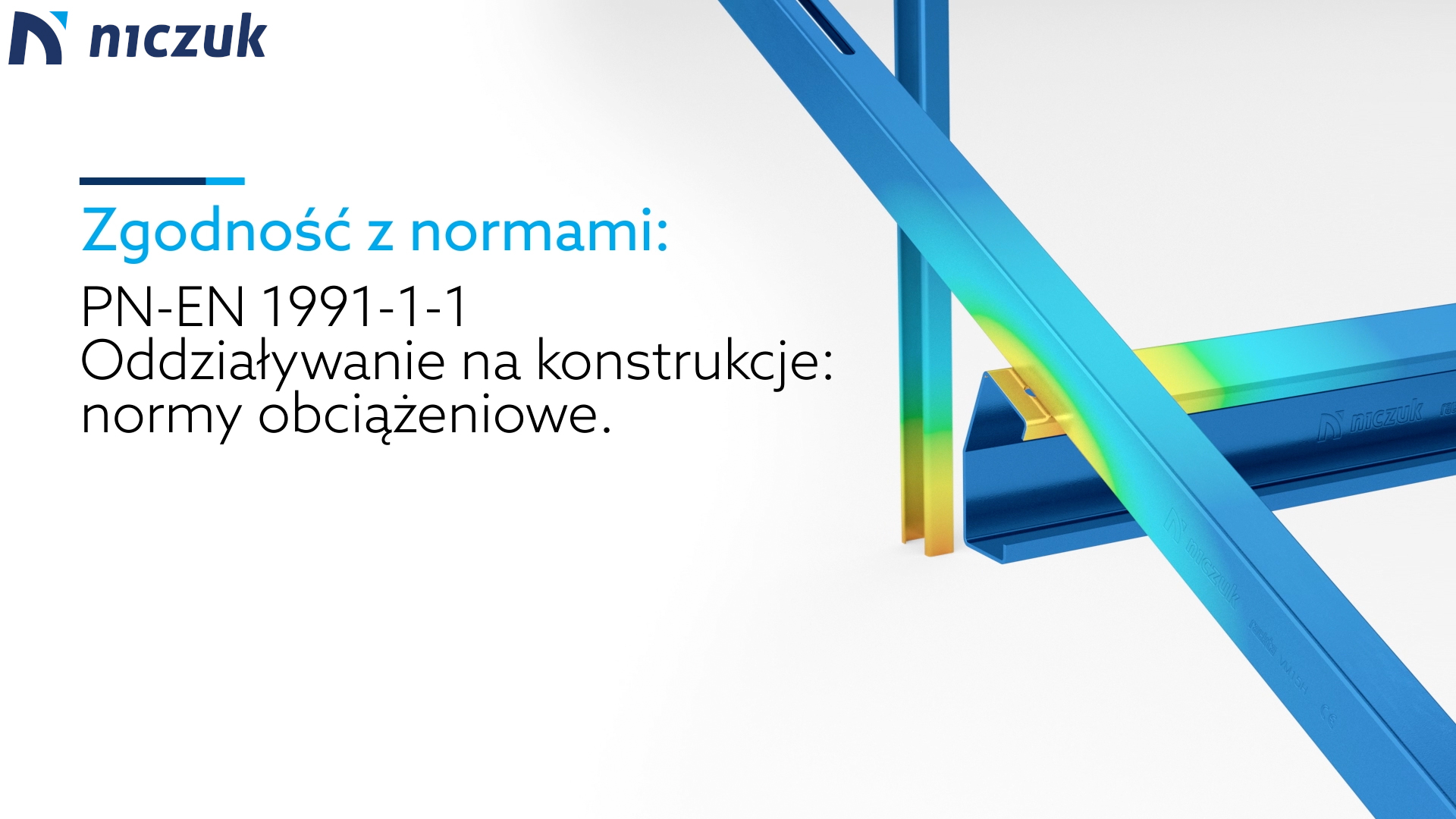
The animation highlights structural stability, a smaller number of components compared to competing systems, ease of assembly, and easy service access — features that are difficult to effectively demonstrate with photos or technical drawings alone.
How does the 3D animation help explain the assembly and servicing of the RACTA system?
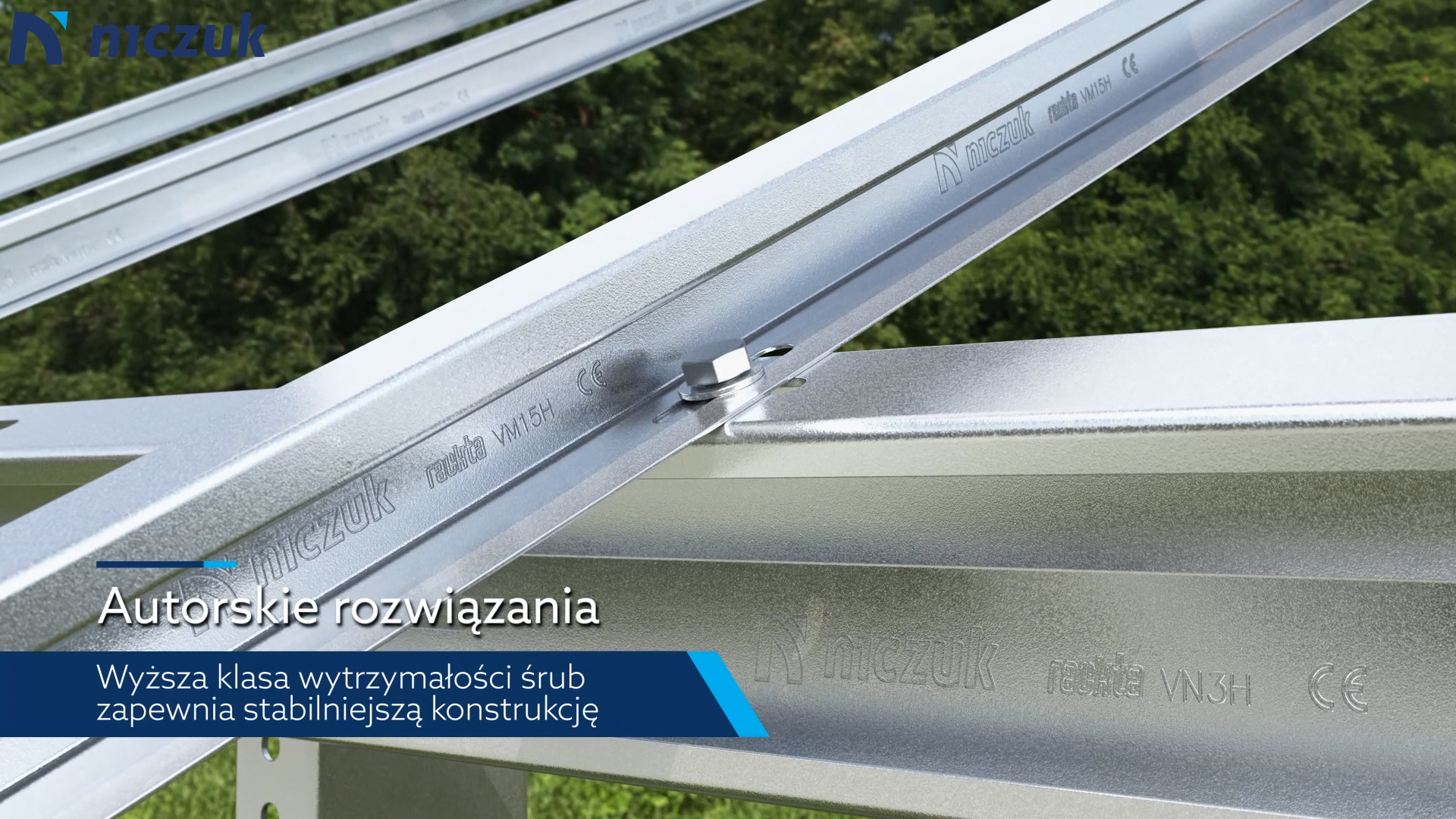
The animation shows the RACTA connector elements in the real context of a photovoltaic farm, presenting a simplified assembly process and what service access to individual components looks like during the installation’s operation.
What types of photovoltaic installations is the RACTA system shown in this animation suited for?
The project covered structural solutions used in both large-scale photovoltaic farms and smaller PV installations — the animation shows the same connector system applied at both scales.
What does THALE use this animation for in practice?
The material serves as a sales, marketing, and educational tool — it’s used on the manufacturer’s website, at industry trade fairs, at conferences, and in sales conversations, shortening the customer’s decision-making process and reducing the number of technical questions.
How much does a 3D animation of a construction system like RACTA cost?
The price depends on the number of assembly variants shown, the complexity of the connector system, and whether the project includes only the animation or also additional static visualizations. We publish a detailed price list and calculation examples in the article How Much Does 3D Visualization and Animation Cost?