Frequently Asked Questions (FAQ)
How does 3D animation show the assembly process of the Thale roofing system?
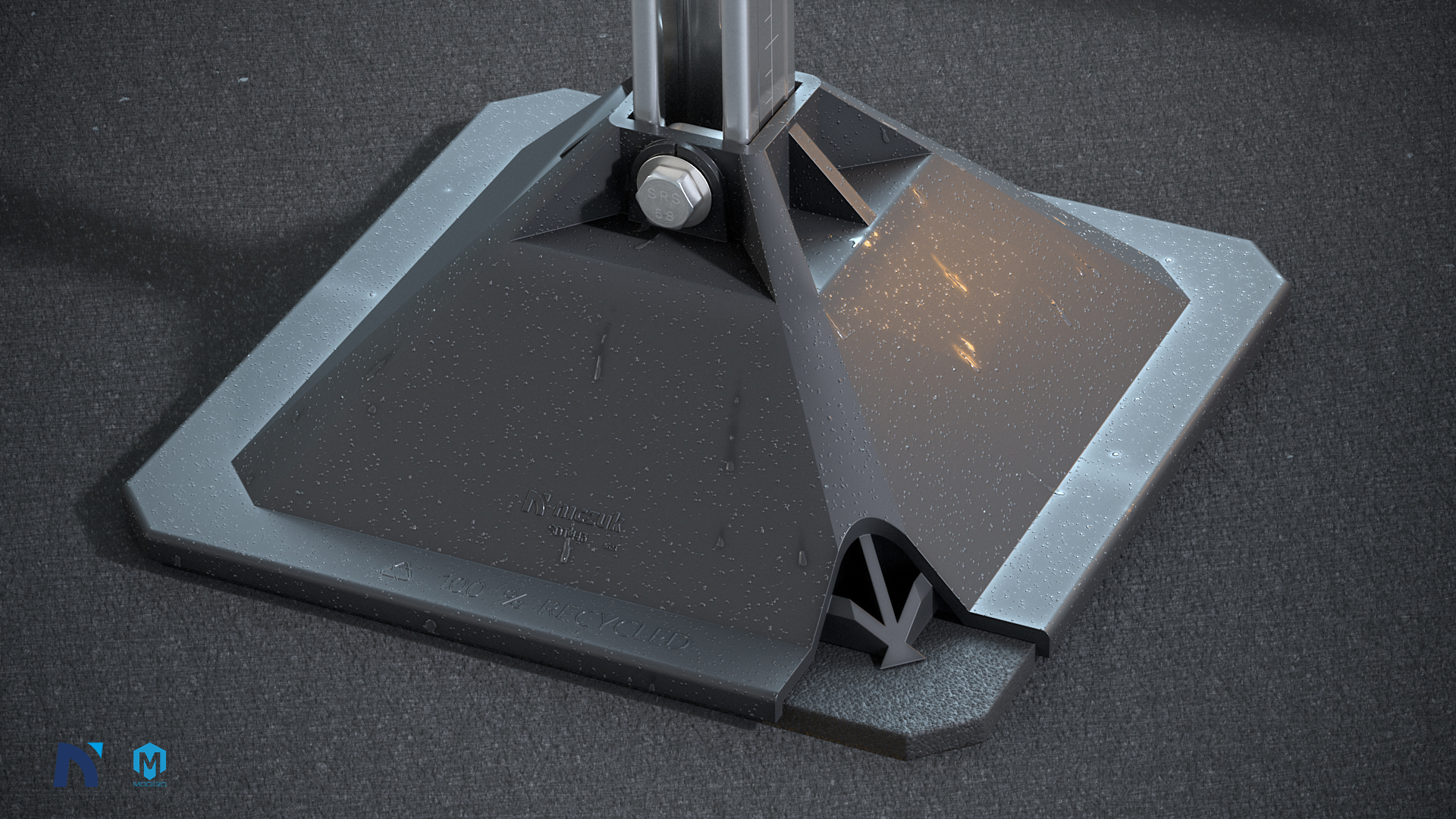
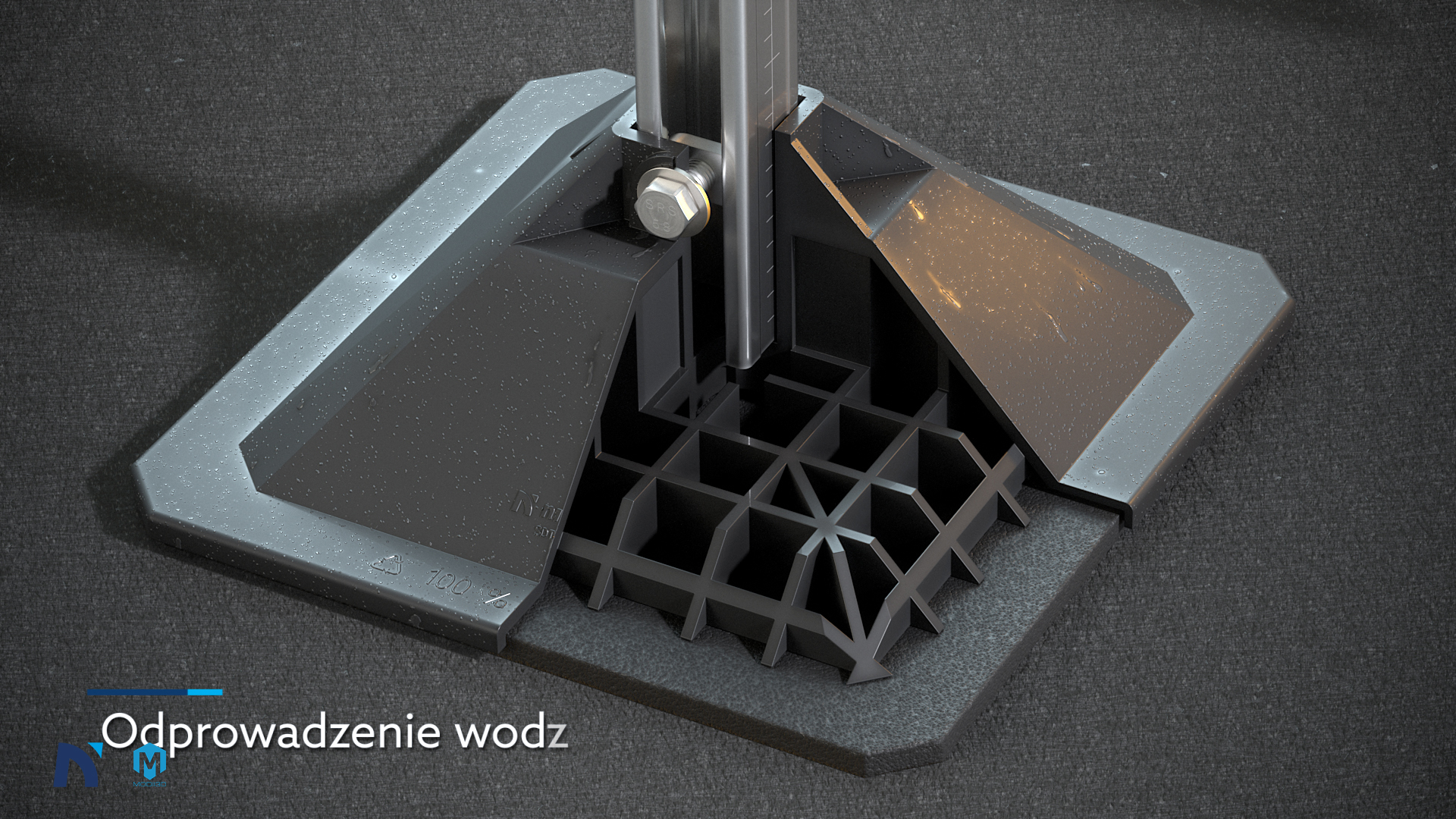
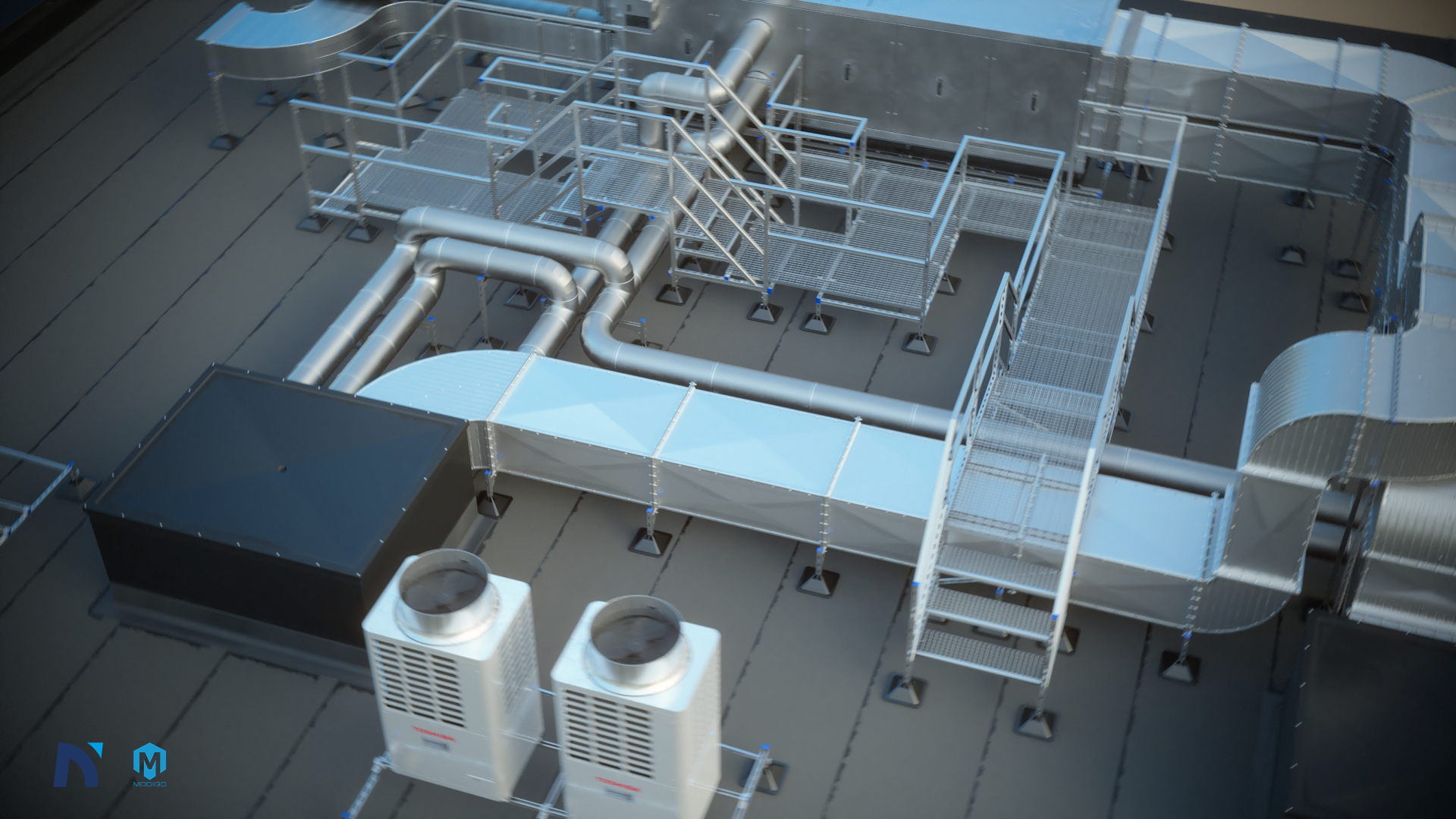
The animation presents a step-by-step assembly guide — from placing the first mounting element to the final installation of the structure on a technological roof. We call this type of material technical and instructional animation.
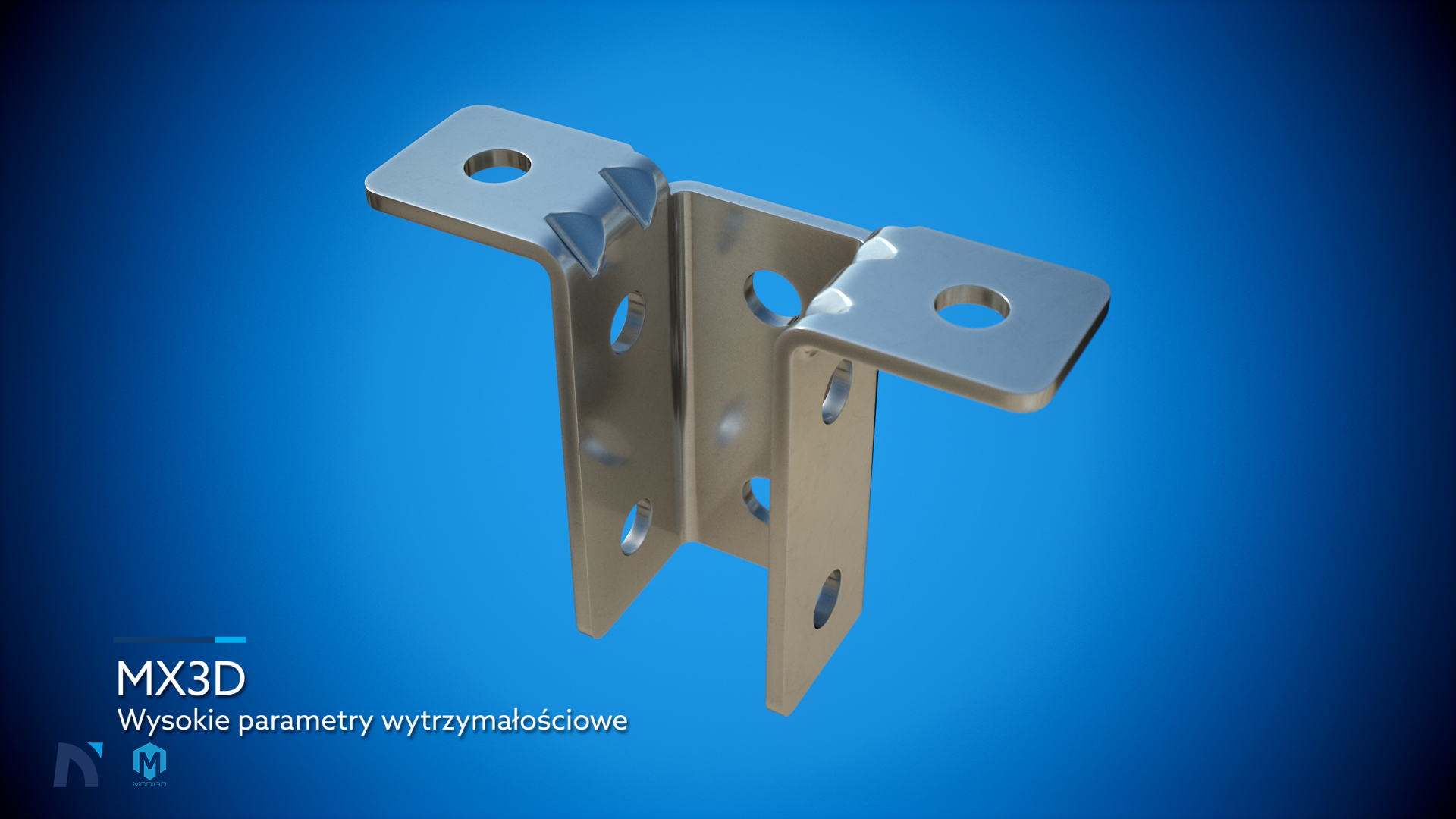
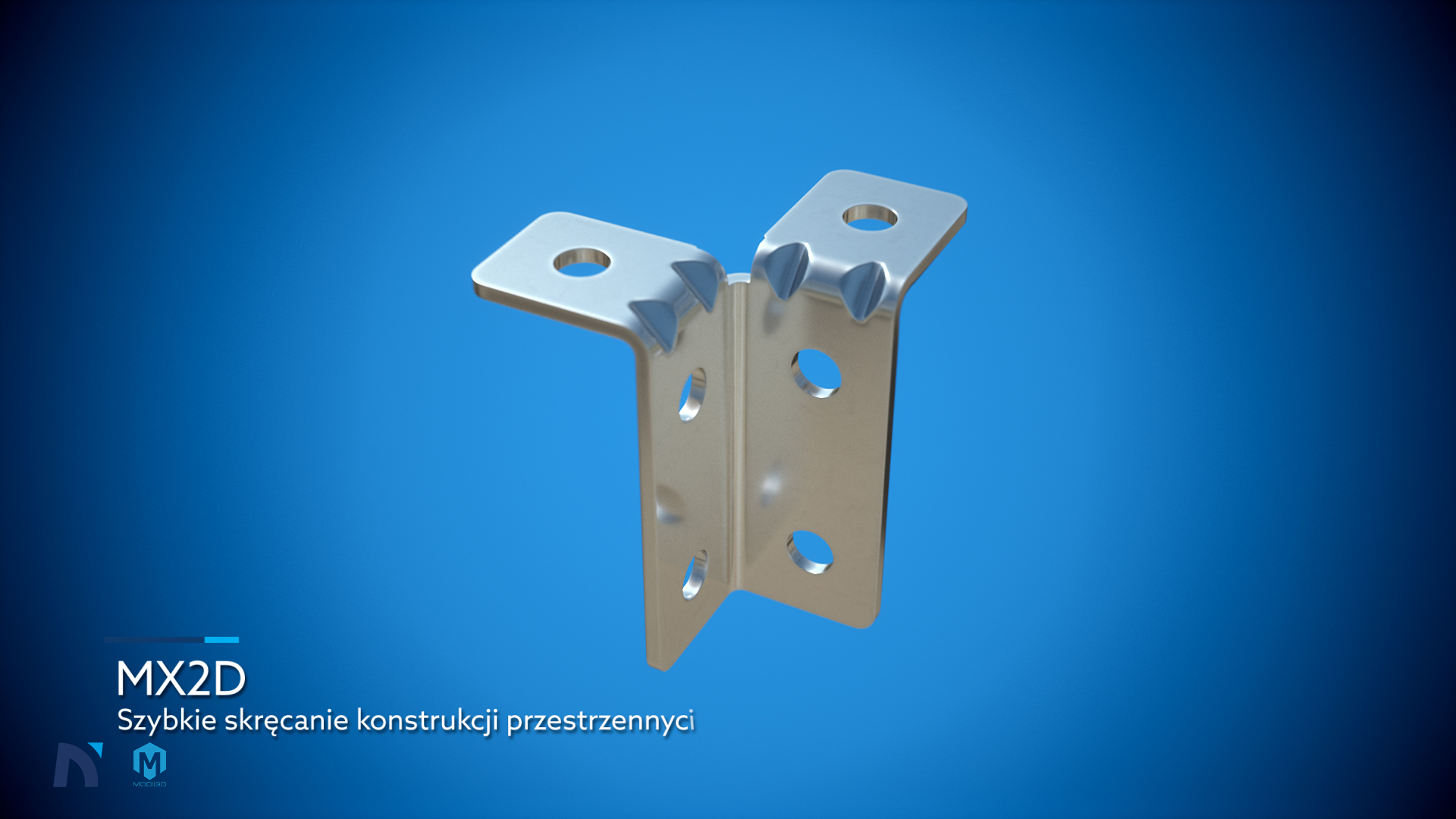
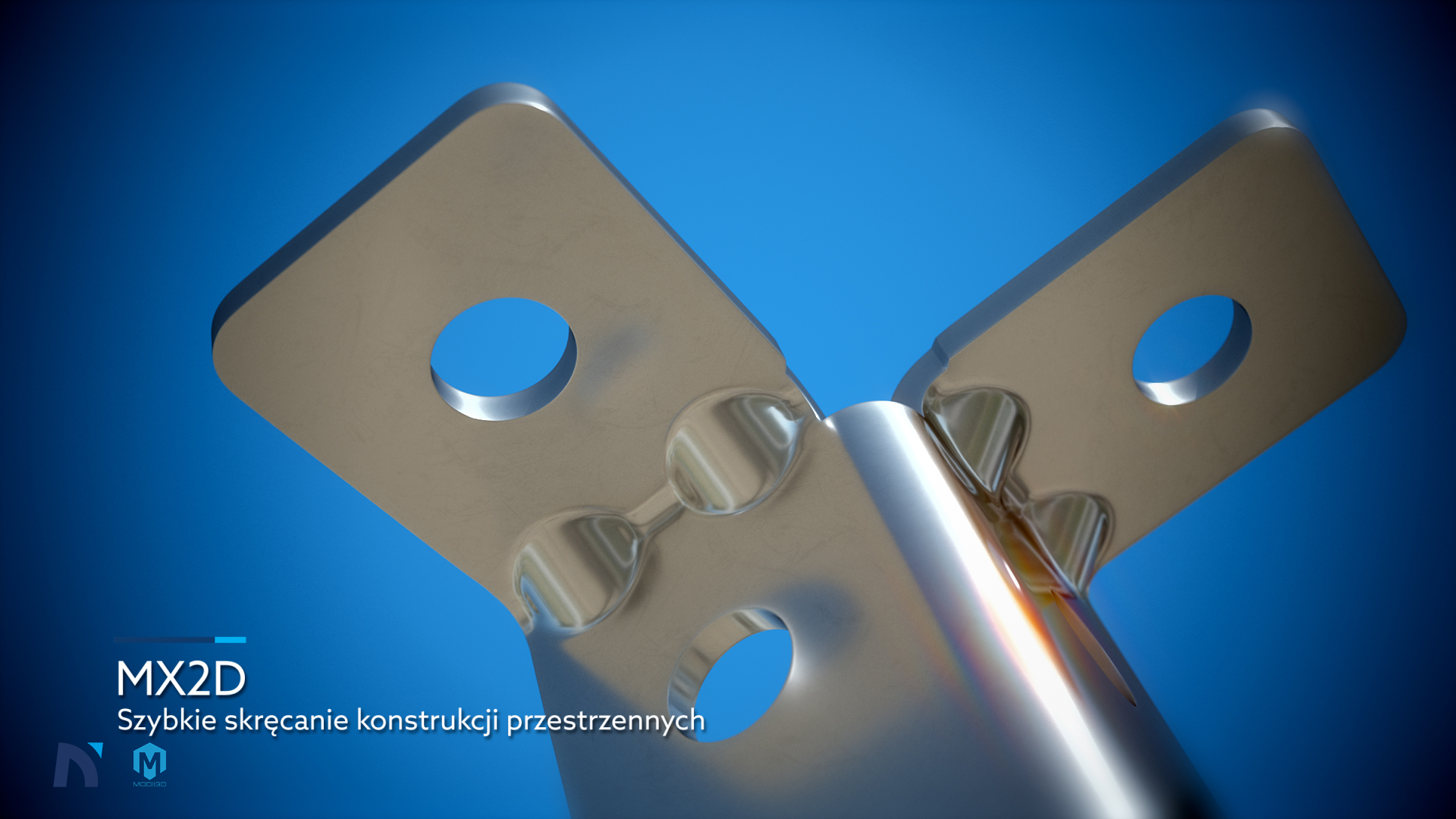
What is the 3D model of a mounting system like Thale built from?
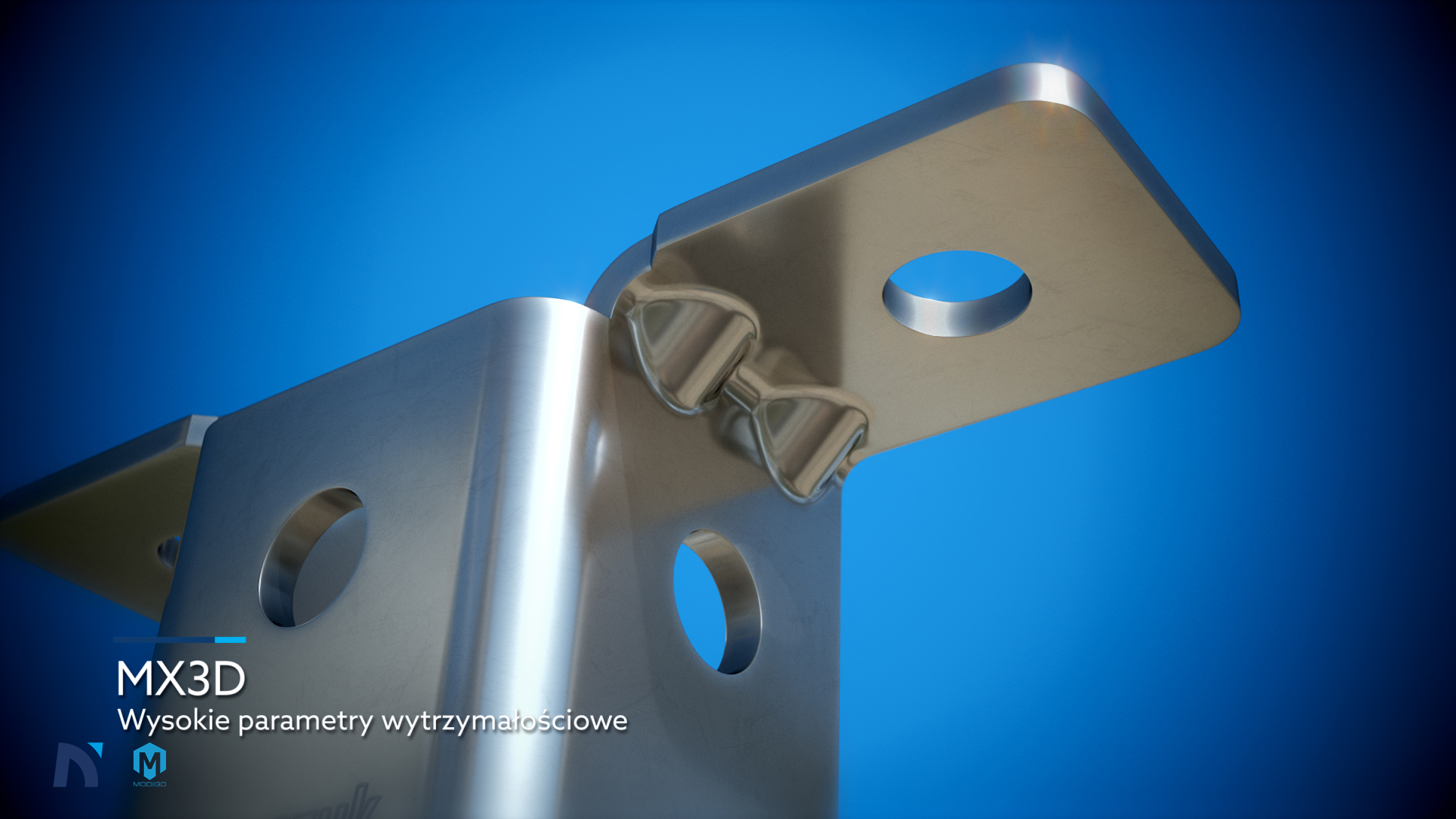
The model is built from CAD/CAM files supplied by the manufacturer, which guarantees a faithful recreation of all structural details and compliance with the engineering design — without this, mounting elements and assembly tolerances would only be approximate. Learn more in STEP to CGI: A Milestone in CGI.
What are “dynamic problem-solution scenarios” in a product animation?
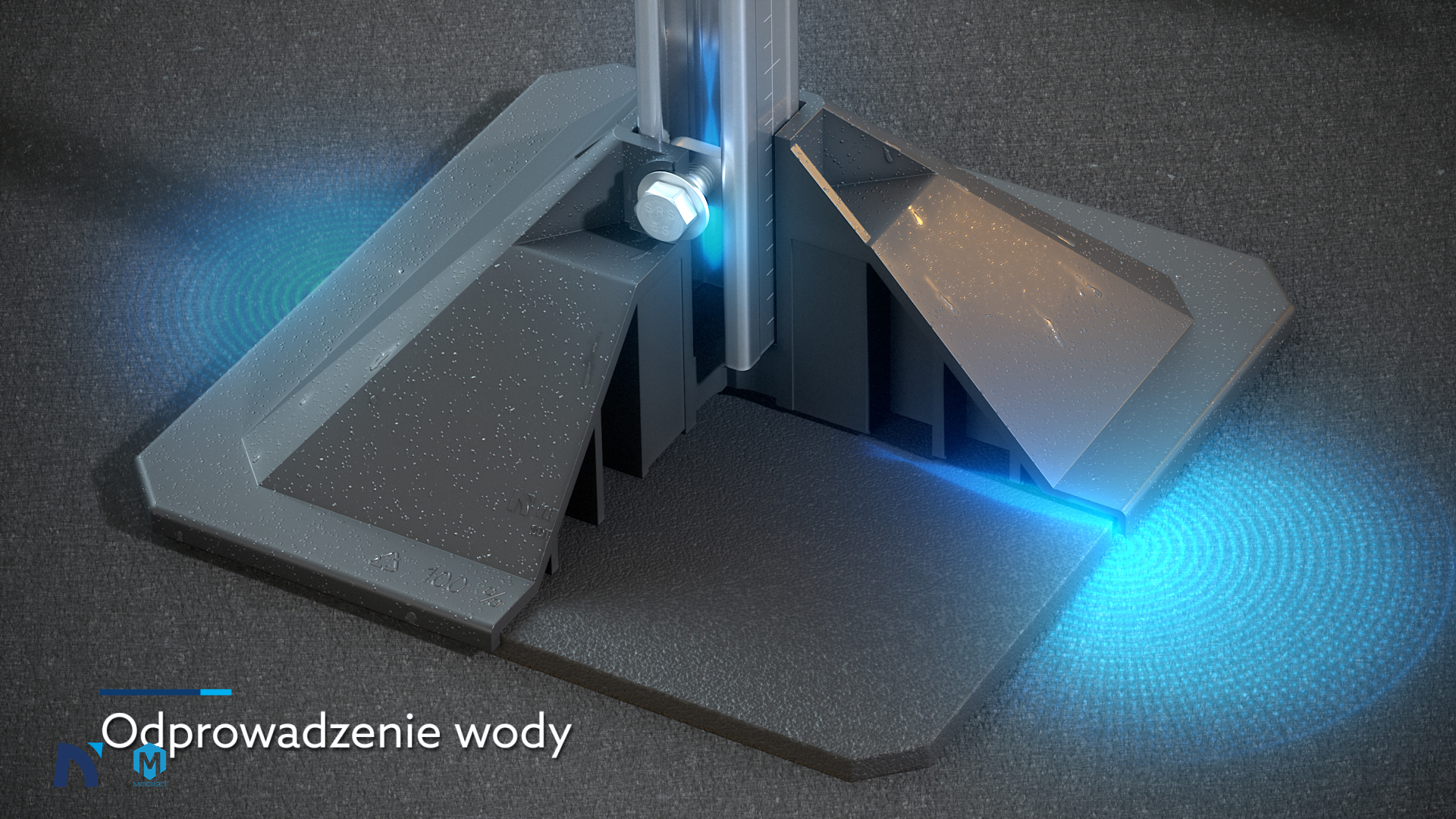
These are scenes staging typical assembly challenges (e.g. uneven surfaces, difficult access) and showing how the manufacturer’s system overcomes them. This kind of narrative works better than a product catalog alone, because it directly addresses a customer’s doubts before purchase.
How much does a series of 3D animations and visualizations cost for a single product system?
The price depends on the number of scenes, the number of component variants shown, and whether the material includes a full assembly animation or just static visualizations of individual elements. We publish a detailed price list in the article How Much Does 3D Visualization and Animation Cost?
Where do construction companies use materials like this, besides their website?
Most often at trade fairs, on social media, and as material supporting the sales team in conversations with clients. We write more about the advertising uses of 3D animation in the article 3D Animations in Advertising.
What does the term “performance simulation” mean when used in animations of mounting systems?
We explain it along with other technical terms in our 3D graphics glossary — a simulation shows how a system behaves under load or in variable conditions, without the need for physical testing.